Creator Stories for beginners – ideas and examples you can post today
Introduction
Starting out as a creator can feel strangely exposed. You have ideas and work you care about, but the first story still sits unposted while you wonder whether anyone will care or whether the photo is good enough. That feeling is normal, and it fades fastest once you post something small and honest. A creator story does not need to announce a grand launch. It only needs to show one real moment from your creative life, in your own words, and that is enough to begin.
This post is about creator stories for beginners, with practical ideas and original examples you can adapt today. Every idea below uses your own work, your own photos, and your own voice. Keep each story to one message, one image or short clip, and one short sentence. You are not trying to impress strangers. You are giving the people who already follow you a reason to stay, reply, and come back tomorrow.
1. Introduce yourself in one honest frame

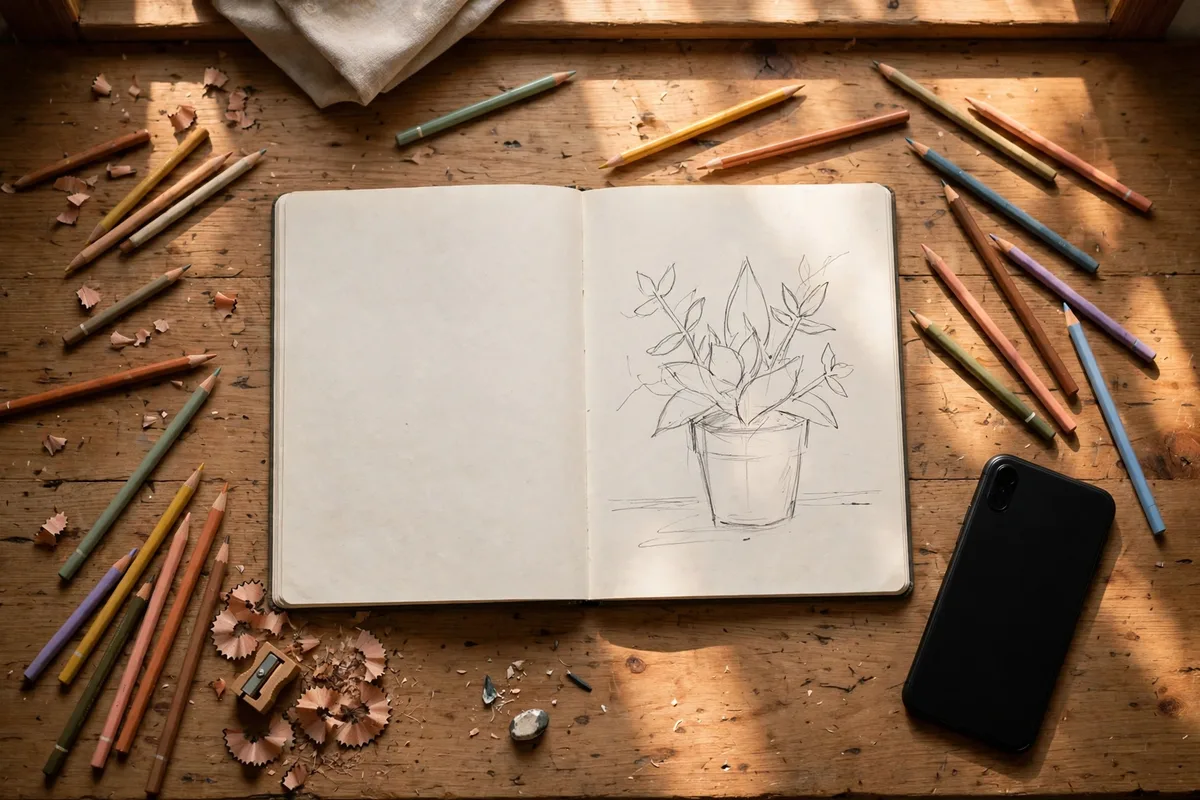
A first creator story works best when it answers three simple questions: what do you make, why do you make it, and what will followers see here. You do not need your life story or a polished portrait. A photo of your desk, your sketchbook, or your half-finished project tells viewers more than a posed picture ever could. For example, a beginner illustrator might photograph a desk covered in pencils and half-coloured sketches, adding the words, “I draw small animal portraits and I am learning colour week by week.” That frame gives viewers a person, a subject, and a journey to follow, so keep the wording plain and true, and do not apologise for being new.
2. Show one small piece of work in progress
Finished work can silence a new creator, because nothing ever feels finished enough to share. Work in progress solves that problem. It invites viewers into the middle of the process, where the interesting decisions happen, and it gives you something to post on days when there is no finished piece to show. For example, a beginner home cook might film a pot simmering on the stove, with chopped vegetables waiting beside it, and write, “Testing a lentil soup tonight, third attempt at the seasoning.” Viewers see effort, not perfection, and they often reply with tips or encouragement. Show the messy middle: the crossed-out draft, the test print, the practice take.
3. Teach one tiny thing you just learned

You do not need to be an expert to teach something useful. The most helpful beginner stories often come from someone who learned a trick yesterday and still remembers exactly what confused them before. Teaching one small thing positions you as a fellow learner, not a lecturer, and it gives viewers a reason to try the idea themselves. For example, a beginner gardener might photograph two seedlings side by side and explain, “I learned this week that seedlings stretch toward light, so I moved mine closer to the window.” That is one fact, one photo, and one clear observation. Keep the lesson to a single step, use plain language, and show the result rather than describing it abstractly.
4. Ask one easy question your followers can answer
A question turns a story from a broadcast into a conversation, but only if it is easy to answer. New creators often ask big, abstract questions that demand an essay, and then wonder why nobody replies. Ask something with a one-word or one-photo answer, something a follower can respond to while waiting for a bus. For example, a beginner writer might photograph two opening lines in a notebook and ask, “Which opening pulls you in more, one or two.” Followers can answer with a single digit, and that tiny reply starts a habit. Thank the people who reply, mention their answers in your next story, and the conversation starts to build itself.
5. Share your plan for tomorrow, not just today
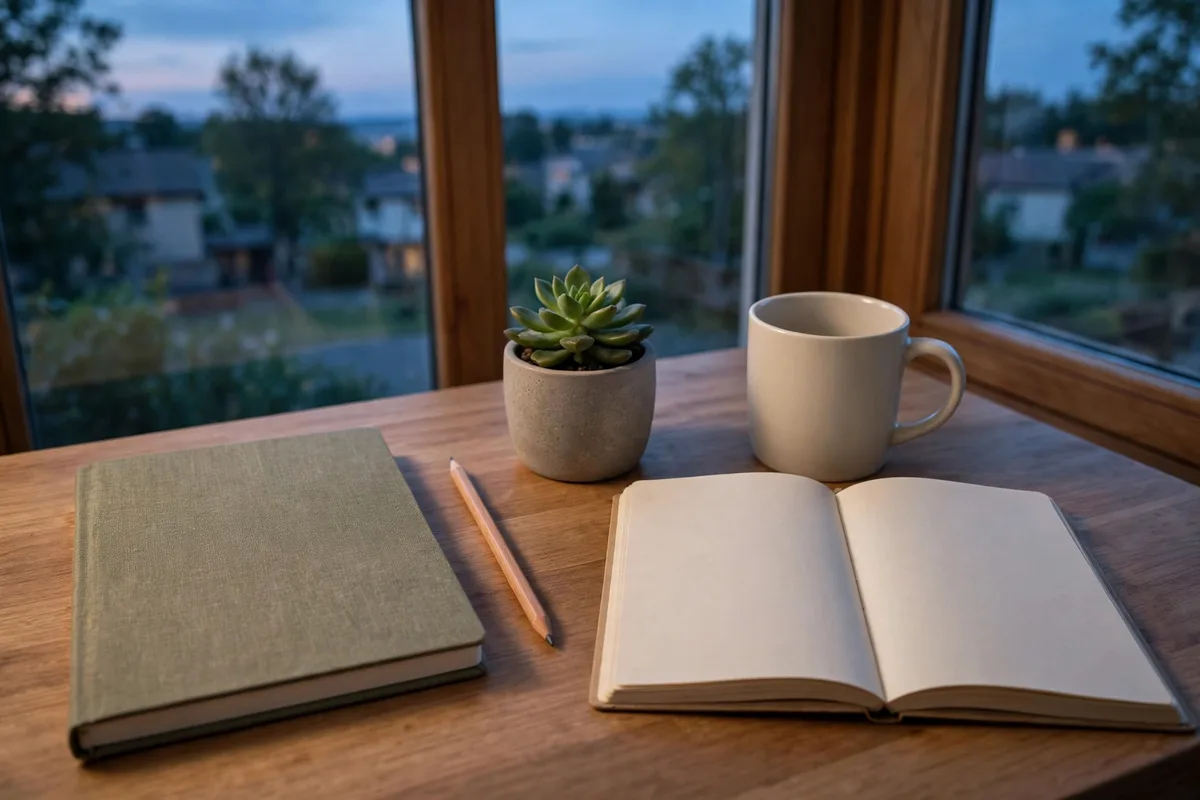
A story about tomorrow gives followers a reason to return. It turns a single post into a small series, and it holds you gently accountable to your own creative habit. The plan should be modest and specific: one sketch, one paragraph, one recipe test, one practice session. Grand promises backfire when life gets in the way, but a small promised step is easy to keep. For example, a beginner musician might photograph a guitar resting against a chair and write, “Tomorrow I practise the chorus slowly, ten minutes, no rushing.” The next day, a short follow-up showing that practice, however imperfect, closes the loop and proves that small promises matter.
Posting checklist
- Choose one clear message for the story, not three at once.
- Use your own photo or short clip of your own work.
- Write one short sentence in plain, honest language.
- Keep the story specific to today, not generic.
- Ask one easy question if you want replies.
- Check spelling and make sure text is easy to read.
- Post it, then note one idea for tomorrow’s story.
Frequently asked questions
How often should a beginner creator post stories?
Start with three or four stories a week, on days when you have real work to show. A steady small rhythm beats a frantic week followed by silence.
Do I need fancy equipment to make good creator stories?
No. A phone, natural window light, and a tidy background are enough for most beginner stories. If you record your voice, film somewhere quiet and speak close to the phone.
What if nobody replies to my first stories?
That is normal, and it says nothing about your talent. Early audiences are small, and many viewers watch quietly before they ever reply. Keep posting honest stories and answer every reply you get.
How long should a beginner creator story be?
One frame and one sentence is enough to start. If you use video, aim for under fifteen seconds, with the main point visible in the first few seconds.
Closing
Creator stories for beginners work best when they are small, honest, and regular. Introduce yourself plainly, show work in progress, teach one tiny thing, ask one easy question, and promise one small step for tomorrow.
Related posts
- Creator Stories for small accounts – ideas and examples you can post today
- Creator Stories that actually get replies – ideas and examples you can post today