
Creator Stories for holidays – ideas and examples you can post today
Introduction
Holidays change the rhythm of creative work. Some creators pause completely, some make seasonal pieces, and some use the break to plan the next season. A holiday story should match that slower, more festive mood, rather than pushing normal work as if nothing changed. This post is about creator stories for holidays, with practical ideas and original examples you can adapt to your own creative work. Use your own photos and words, keep the tone warm and unhurried, and remember that viewers are also resting, celebrating, or travelling, so a gentle story will suit them better than a demanding one.
1. Share a seasonal piece you made for the holiday

A holiday piece shows that you noticed the season, not just the calendar. It might be a themed illustration, a festive recipe, a decorated workspace, or a short seasonal song, made in your usual style rather than copied from a trend. Show the finished piece and one detail about how you made it seasonal. Example: a paper artist might photograph a hand-cut lantern for a winter festival, noting that she used offcuts from an earlier project. A baker-creator might show a loaf shaped for a celebration, explaining one spice change that made it festive. Seasonal work feels timely without needing a sales message.
2. Post a simple holiday greeting in your own style
A greeting story works when it sounds like you, not like a card from a shop. Use your own handwriting, your own drawing, or a photo from your own workspace dressed for the holiday, and write one warm line. Avoid long messages, because a greeting is meant to be felt quickly and passed over with a smile. Example: an animator might post a three-second loop of a drawn character waving beside a small festive plant. A writer might photograph a notebook page with the words "Rest well, make something small, see you next week." A personal greeting builds warmth, while a generic graphic is scrolled past and forgotten.
3. Explain your holiday schedule honestly
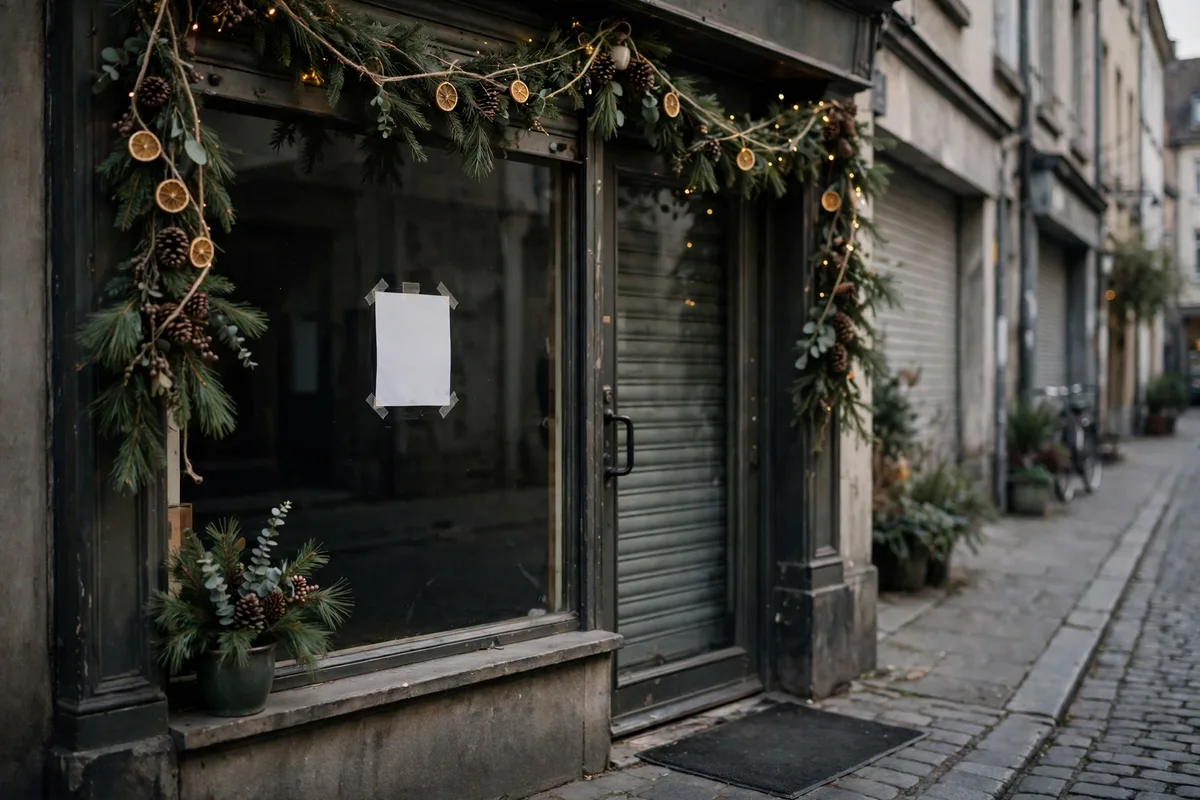
Viewers appreciate knowing when you will post and when you will rest, especially during holidays when routines break. A short story stating your break dates, or that posts will be lighter for a week, prevents confusion and shows respect for your audience's attention. Keep the schedule simple and keep any promise you make. Example: a podcaster might photograph his microphone covered with a cloth, writing "No new episode this week, back with a seasonal special next Tuesday." A painter might show a closed studio door and note that she will share one sketch a day, but no long tutorials, until the holiday ends. Clear schedules reduce questions later.
4. Show holiday inspiration from your own surroundings
Holidays offer new sights, from markets and decorations to winter light and family cooking, and creators can turn those sights into story material without leaving their own lives. Photograph something you genuinely noticed, and say how it might shape future work. Do not photograph strangers or private moments; use your own home, workspace, or public festive displays. Example: a textile creator might photograph patterns on a market stall cloth, noting a colour combination she plans to try. A photographer might show evening lights reflected in a window, explaining how the colours will guide his next edit. Inspiration stories connect holidays to creativity naturally.
5. Tease a gentle return after the holiday

A return teaser gives viewers something to look forward to without cutting the holiday short. Name one project that will resume, or one new idea that the break produced, and give a rough return time. Keep the teaser light, because viewers are still resting too. Example: a woodworker might show a sketch made during the holiday and write "After the break, this sketch becomes a small stool." A teacher-creator might photograph a stack of new books and say "January lessons start with these three." A soft return plan keeps your audience warm while you rest, and makes the first post back feel expected rather than abrupt.
Posting checklist
- Pick one holiday angle, not a full festive campaign.
- Use your own photo or clip, made for this holiday.
- Write one short, warm caption readable in seconds.
- State any break or lighter schedule clearly and honestly.
- Avoid photographing strangers or private moments.
- Check spelling, names, and any dates before you post.
- Save the idea so you can reuse the format next holiday.
Frequently asked questions
Should I post during a holiday break?
Only if you want to and have something genuine to share. One warm greeting or one light story is plenty, and a clear break announcement is better than forced daily posts.
Do holiday stories need to be festive?
Not always. A restful workspace shot or a quiet schedule note can suit a holiday just as well as decorations, as long as it matches your own holiday honestly.
How do I handle holidays I do not celebrate?
Post about your own break, your own work, or your own surroundings, without claiming a celebration that is not yours. Viewers respect honesty about which holidays matter to you.
Can a holiday story promote a seasonal piece?
Yes, if the piece is real and the tone stays warm. Show the work, explain how you made it, and let viewers decide, rather than pushing a hard holiday sale.
Closing
Creator stories for holidays work best when they are warm, honest, and unhurried. One seasonal piece, one greeting, or one clear schedule note is enough to keep your audience close while you rest.
Related posts
- Creator Stories for Fridays – ideas and examples you can post today
- Creator Stories for launches – ideas and examples you can post today