
Food Stories for beginners – ideas and examples you can post today
Introduction
Your first food story does not need a restaurant-quality plate, a professional kitchen, or a recipe you invented from scratch. It only needs one honest moment from food you actually made, tasted, or shared, captured in your own photo and described in your own words. Many beginners hold back because they think food stories belong to trained cooks with beautiful kitchens and huge followings. In truth, the food stories that connect best are usually the simplest: a morning cup of tea beside a plate of toast, a first attempt at pancakes, or a family dinner that took longer to cook than to eat.
This post is about food stories for beginners, with practical ideas you can post today, even if you have never shared a food photo before. Every idea uses your own cooking, your own ingredients, and your own photos. Keep each story to one dish, one moment, and one short sentence. You are inviting people to your table for a moment, not presenting a cooking show.
1. Start with your breakfast, the easiest food story of all
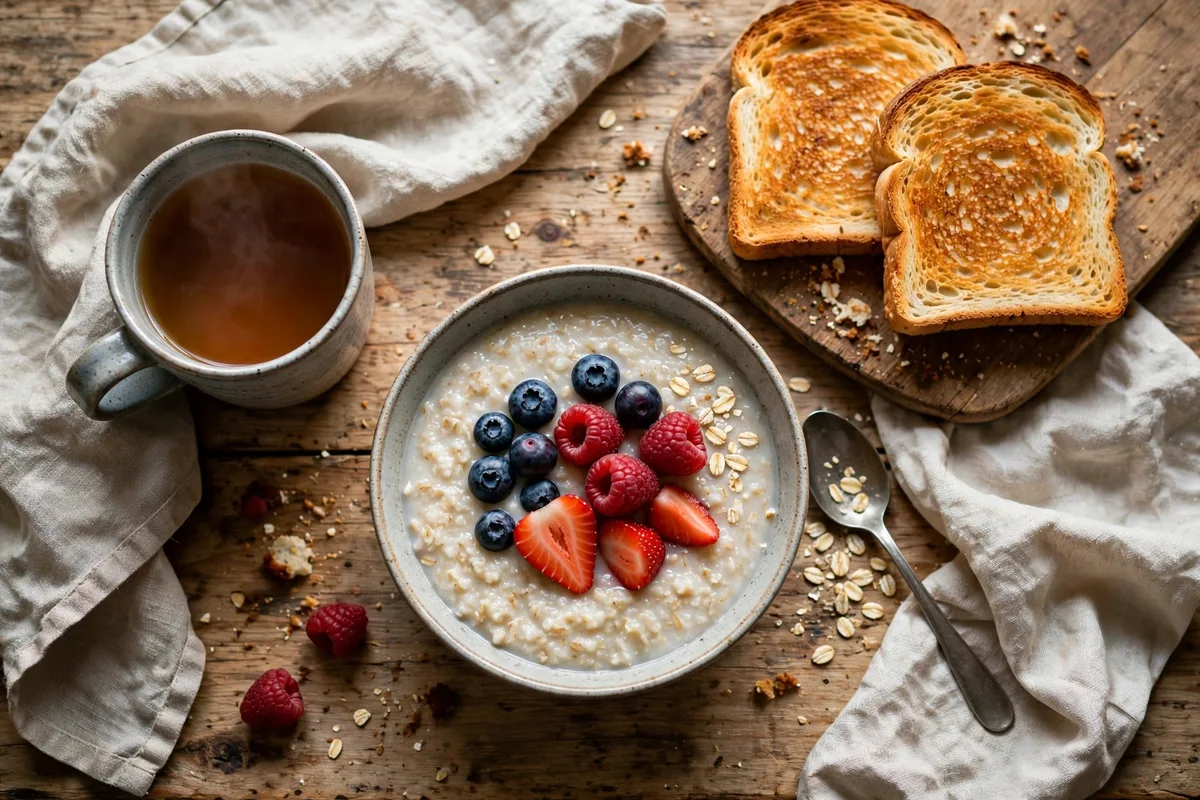
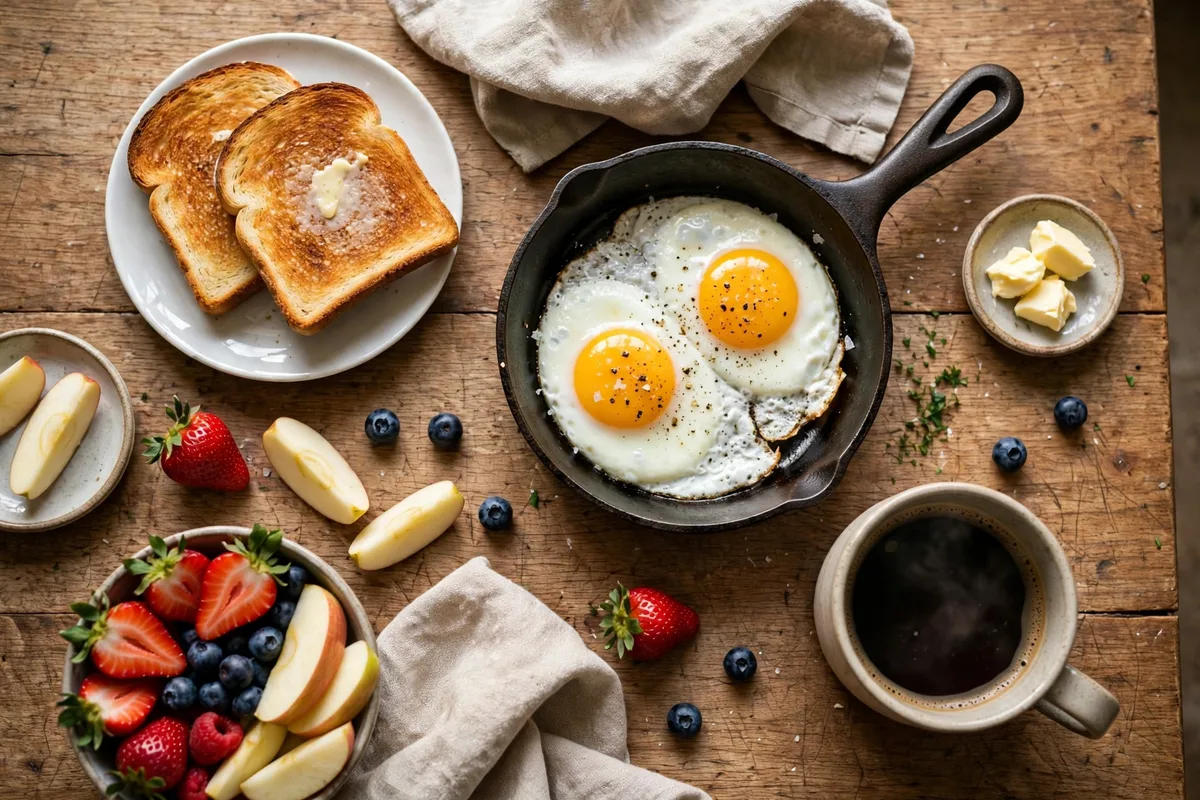
Breakfast is the kindest place for a beginner to start because it is familiar, quick, and forgiving. You do not need special lighting or a staged table; morning light through a kitchen window is usually enough. Photograph your own bowl of oats topped with sliced banana, your toast with jam, or the eggs you just fried, still in the pan or on the plate. Add a simple line such as, "First proper breakfast this week: oats, banana, and a quiet ten minutes." That single frame tells viewers what you ate and how your morning began. If the toast is uneven or the yolk broke, say so with humour: a slightly imperfect breakfast feels far more welcoming than a flawless one.
2. Show one ingredient before it becomes a meal
A finished dish can feel intimidating to photograph, but a single ingredient is easy and full of colour. Lay out the tomatoes you are about to chop, the fresh herbs you picked up at the market, or the bread you baked yesterday, still warm in its cloth. Photograph it closely, fill the frame with colour and texture, and write what you plan to do with it. For example, a beginner might photograph bright red peppers and write, "Tonight these become stuffed peppers, wish me luck." This builds gentle curiosity, because viewers wonder how the dish will turn out, and it gives you a natural follow-up later. You are showing the beginning of cooking, which is often more interesting than the end.
3. Share your first try at a new recipe, honestly
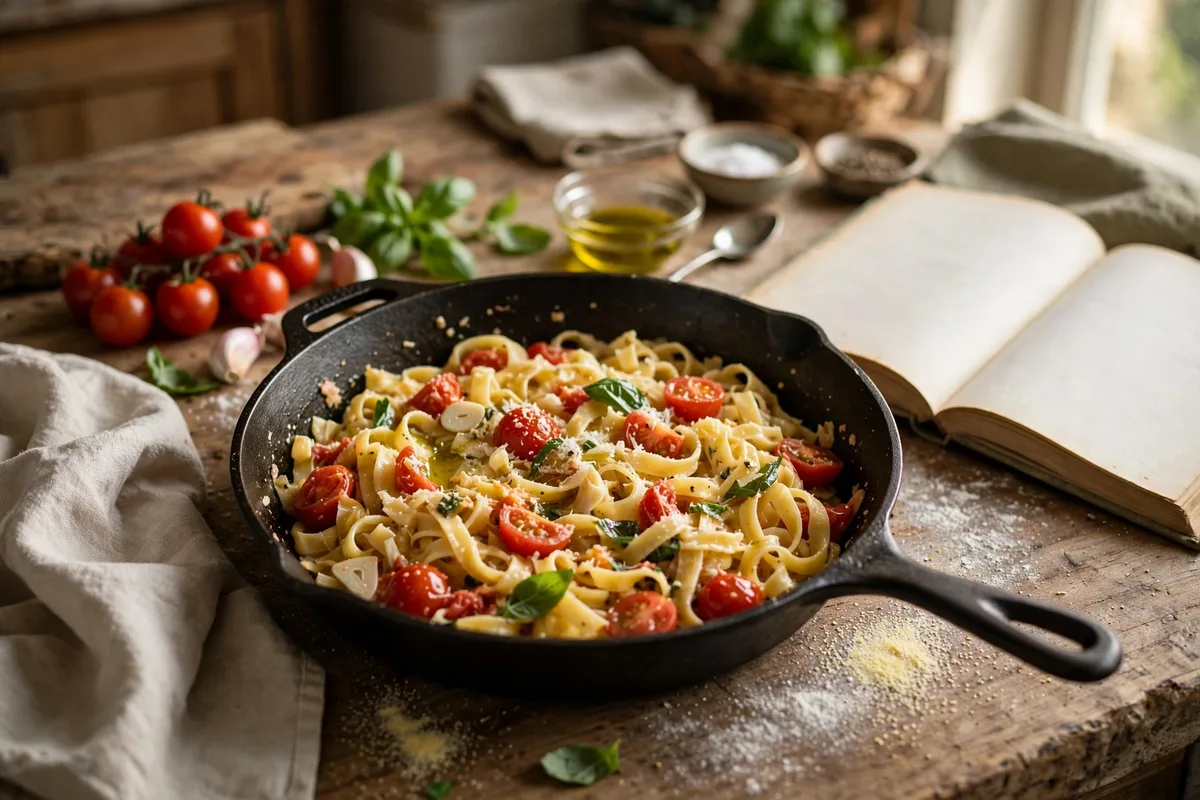
Trying a new recipe is a perfect beginner food story because everyone understands the mix of excitement and uncertainty. Film your hands stirring a pot, photograph the recipe notes you scribbled on paper, or show the dish halfway through cooking, steam rising and sauce bubbling. You might photograph a tray of slightly uneven cookies and write, "First batch of oat cookies: some round, some abstract, all eaten." Say what you liked, what surprised you, or what you would change next time. These honest first-try stories need no special skill, and they often get warm replies from people who have tried the same recipe.
4. Capture the cooking moment, not just the finished plate
Beginners often wait until the food is served before taking a photo, but the cooking itself makes the better story. The chopping board covered in onion skins, the pot lid rattling, the moment you taste the sauce and reach for a pinch more salt: these are the frames that make viewers feel present in your kitchen. Photograph your own hands kneading dough, flipping a pancake, or grating cheese over pasta, and write something plain like, "Pancake number three finally flipped without folding in half." You are showing the process, mess and all, which is what makes a food story feel alive. A little flour on the counter tells the truth.
5. End with the table, the people, or the last bite
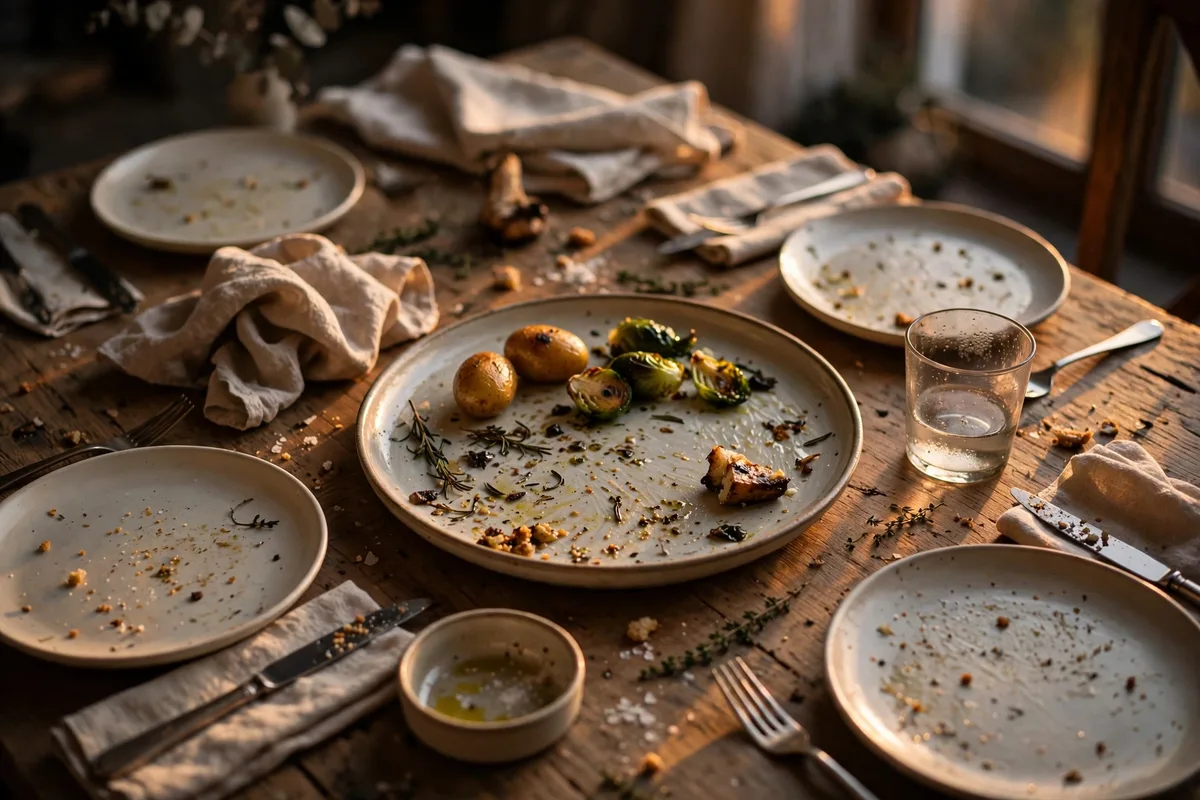
A closing food story gives your meal a neat ending and helps beginners who are unsure what to post last. After eating, photograph the empty plates, the last slice of cake, or the cups of tea that followed dinner, and add a short reflection such as, "Best part of today: lentil soup, warm bread, and no phone at the table." Over weeks, those closing frames become a simple record of what you cooked and what you would make again. If you ate alone, that is a story too: a quiet supper, a book beside the plate, a favourite mug.
Posting checklist
- Pick one dish, one moment, and one short sentence.
- Use only your own food photo or short cooking clip.
- Name the dish simply so viewers know what they are looking at.
- Check that text is large, clear, and easy to read over the photo.
- Keep the story honest, kind, and specific to today.
- Post it, then save one idea for tomorrow's food story.
Frequently asked questions
What should my first food story be?
Start with breakfast or a snack you already made today. A photo of your own toast, fruit bowl, or cup of tea is easy, honest, and gives viewers a clear, welcoming starting point.
Do I need fancy equipment to post food stories?
No. Your phone camera and natural window light are enough. A clean plate, a simple background, and one short sentence will carry a food story further than expensive equipment.
How many food stories should a beginner post per day?
Two to four frames across a meal is plenty. Post one ingredient, one cooking moment, and one finished plate, and leave gaps so viewers can enjoy each one.
What if my food does not look perfect?
Imperfect food often feels more real than polished food. A slightly uneven pancake with a genuine caption will connect better than a flawless dish with no story behind it.
Closing
Food stories for beginners work best when they are small, honest, and close to what you actually cooked. Start with breakfast, show one ingredient, share a first try, capture the cooking, and close with the table. Your kitchen already has everything you need.
Related posts
- Food Stories for small accounts – ideas and examples you can post today
- Food Stories that actually get replies – ideas and examples you can post today