
Music Stories for beginners – ideas and examples you can post today
Introduction
Your first music story does not need a perfect voice, a polished instrument, or a large audience. It only needs one honest moment of music from your own day, shared in your own words with a photo or short clip you made yourself. Many beginners hold back because they imagine music stories belong to trained singers and confident performers. In truth, the music stories that connect best are usually the simplest: a song that lifted your morning, a first attempt at a chord, or a tune you caught yourself humming while making tea.
This post is about music stories for beginners, with practical ideas you can post today, even if you have never shared anything musical before. Every idea uses your own listening, your own playing, and your own words. Keep each story to one song, one moment, and one short sentence. You are inviting people to hear what you heard, not auditioning for anyone.
1. Share the song that started your day
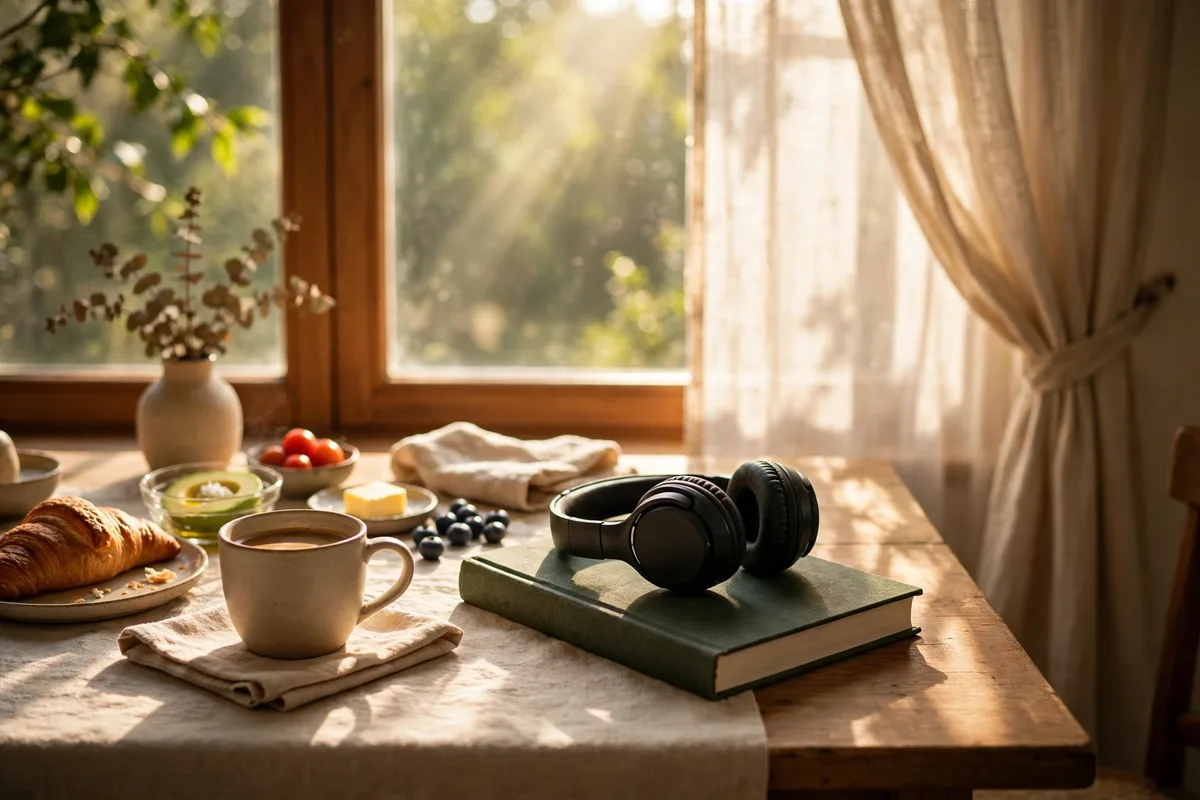
The easiest beginner music story is simply the song you played first this morning. Photograph your own breakfast table, your window light, or your headphones resting on a book, and add a plain line such as, "Started today with this one on repeat, and it made the whole morning feel lighter." You do not need to explain the genre, the artist's history, or why the song matters to anyone else. Say what it did for you: it woke you up, calmed your nerves, or made a dull chore feel brighter. A first-song story is welcoming because everyone has a morning song, and it gives viewers an easy way to reply with their own.
2. Show your first try at an instrument
Trying an instrument for the first time is a perfect beginner music story because everyone understands the mix of excitement and clumsiness. Photograph your own hands on a keyboard, a guitar leaning by your chair, or the practice notes you scribbled for yourself, and write something honest like, "Day one with this chord: three clean strums, two buzzes, and one very proud grin." Say what surprised you, what felt hard, or what you want to try next. You do not need to play a full tune. A single chord, a short scale, or a rhythm you tapped out on a table all count. These first-try stories need no skill, and they often earn warm replies from people who remember their own shaky starts.
3. Post the tune you cannot stop humming

A song stuck in your head is a ready-made story, and it is wonderfully low pressure. Photograph your own kitchen counter, your walking route, or the notebook where you jotted the tune down, and write, "This melody has followed me all day, from breakfast to the bus stop." You can ask viewers what song is stuck in their heads, or simply enjoy sharing yours. Humming stories work because they are about everyday life rather than performance. You are not claiming to sing well; you are admitting that a melody moved in and refused to leave, which is something almost everyone recognises at once.
4. Capture a listening moment, not a performance
Beginners often think a music story must show them making music, but listening is music too. Photograph your own reading corner with music playing nearby, your evening walk with earphones in your pocket, or the rainy window you sat beside while a favourite album played, and write something plain like, "Rain outside, slow songs inside, and nowhere to rush to." You are showing the mood music created, not the music itself. This kind of story suits shy beginners beautifully, because the focus is the feeling and the setting rather than your voice or your playing. A quiet listening frame tells viewers what kind of day you are having.
5. End with the song you want to learn next

A closing music story gives your day a neat ending and sets up tomorrow naturally. Photograph your own instrument case, your practice list, or the playlist you made for the week, and add a note such as, "Tomorrow's goal: learn the first four bars of this one, slowly and without rushing." Over weeks, those closing frames become a simple record of what you tried and what you loved most. If you only practised for five minutes, that is a story too. A small goal, honestly shared, beats a grand recital plan that never starts, and it invites viewers to cheer for the next step.
Posting checklist
- Pick one song, one moment, and one short sentence.
- Use only your own photo or short clip of your own listening or playing.
- Name the feeling simply so viewers know what the music did for you.
- Check that text is large, clear, and easy to read over the photo.
- Keep the story honest, kind, and specific to today.
- Post it, then save one idea for tomorrow's music story.
Frequently asked questions
What should my first music story be?
Start with the song you played first today. A photo of your own headphones, window, or breakfast table is easy, honest, and gives viewers a clear, welcoming starting point.
Do I need to sing or play well to post music stories?
No. Listening stories, first tries, and humming moments all count. A beginner sharing one honest song will connect better than a polished performance with no story behind it.
How many music stories should a beginner post per day?
Two to four frames is plenty. Post one listening moment, one trying moment, and one closing plan, and leave gaps so viewers can enjoy each one.
What if I feel embarrassed about my playing?
Share the trying, not the triumph. Say it was your first attempt, name what went wrong with humour, and let viewers root for you. Honest beginners almost always get kindness in return.
Closing
Music stories for beginners work best when they are small, honest, and close to what you actually heard or tried. Share your morning song, show a first try, post a tune you cannot stop humming, capture a listening moment, and close with the song you want to learn next. Your day already has all the music you need.
Related posts
- Music Stories for small accounts – ideas and examples you can post today
- Music Stories that actually get replies – ideas and examples you can post today