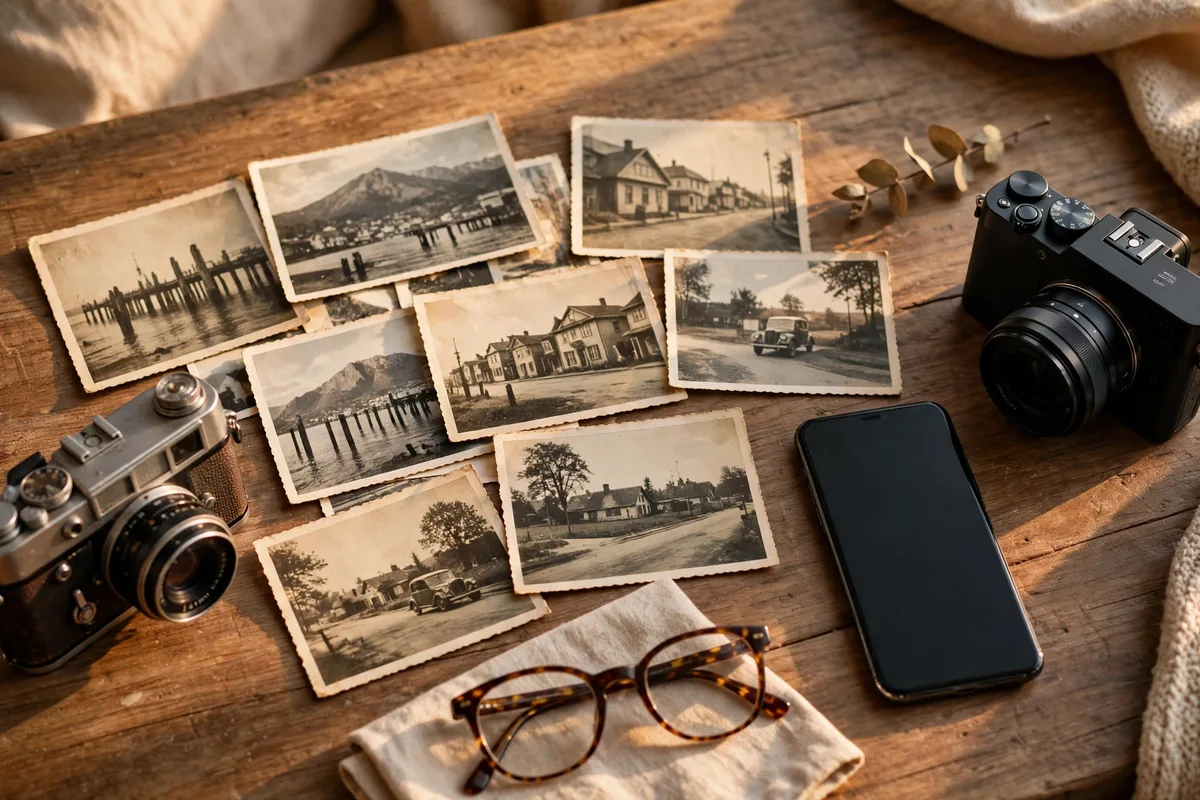
Story Ideas for throwbacks – ideas and examples you can post today
Introduction
A throwback story is a small trip back in time: an old photo, a first attempt, a memory that still makes you smile. Throwbacks are popular for a simple reason — nostalgia is a feeling almost everyone shares, and a good old photo invites viewers to remember their own past at the same time.
But the best throwbacks do more than say "look how young we were." They add context: what was happening, what you learned, what changed since, or why the memory still matters. A photo with a story is worth far more than a photo with a date, and it turns a quick scroll into a genuine moment of connection.
This post shares six throwback story ideas you can post today, all for public stories you create yourself. Dig out your own old photos and moments — only ever your own, or ones you have permission to share — and give them a story worth telling.
1. The first-post throwback

Revisit your very first post, photo, or piece of work, and share it again with fresh eyes. First attempts are charming precisely because they are unpolished.
For example, a creator could repost their first video with the caption: "My first upload: shaky camera, quiet voice, and a lot of hope." A shop could share its first product photo: "Our first listing photo, taken on a kitchen table." A cook could show their first attempt at a now-favourite recipe: "It looked nothing like the picture, but we ate it proudly."
Add one honest reflection: what you would do differently now, and what you are glad you did then. That reflection is what turns an old photo into a story about growth.
2. Then versus now
Place an old photo beside a recent one of the same subject, place, or person, and let the contrast speak. This is the classic throwback format, and it works because change is instantly visible.
For example, a gardener could show a garden bed in its first season beside the same bed today. A café could show its original menu beside the current one. A student could show a first-week timetable beside a final-year one, with the caption: "Same degree, very different confidence."
Keep the caption warm toward your past self. Avoid mocking old styles or old work; instead, celebrate how far things have come. Two photos and two honest sentences are enough — the images carry the rest.
3. The throwback lesson

Pick an old moment that taught you something, and tell the story of the lesson, not just the memory.
For example: "Three years ago, our first market stall sold almost nothing. We learned that people buy with their eyes first, so we rebuilt the display — and the next market sold out." Or: "My first presentation was a disaster because I read every slide. Now I speak from notes and look at the room." Or: "Our first event ran late because we planned nothing. Now every event has a written schedule."
A lesson gives a throwback a purpose beyond nostalgia. Viewers leave with something useful, and your old mistake becomes someone else's shortcut. End with the change you made, so the story points forward.
4. The weekly throwback series
Make throwbacks a regular habit, such as one old photo every Thursday. A series gives your audience something to look forward to, and it gives you a reason to keep digging through your archives.
For example, name it simply: "Thursday throwback." Week one could be your first workspace; week two, your first team; week three, your first customer; week four, your first celebration. Over time, the series builds a gentle history of your account that new followers can browse.
Keep a small list of upcoming throwbacks so you never scramble for one on the day. And mix the moods: funny, proud, quiet, and surprising memories all belong in a series, because real histories contain all of them.
5. Audience throwback memories
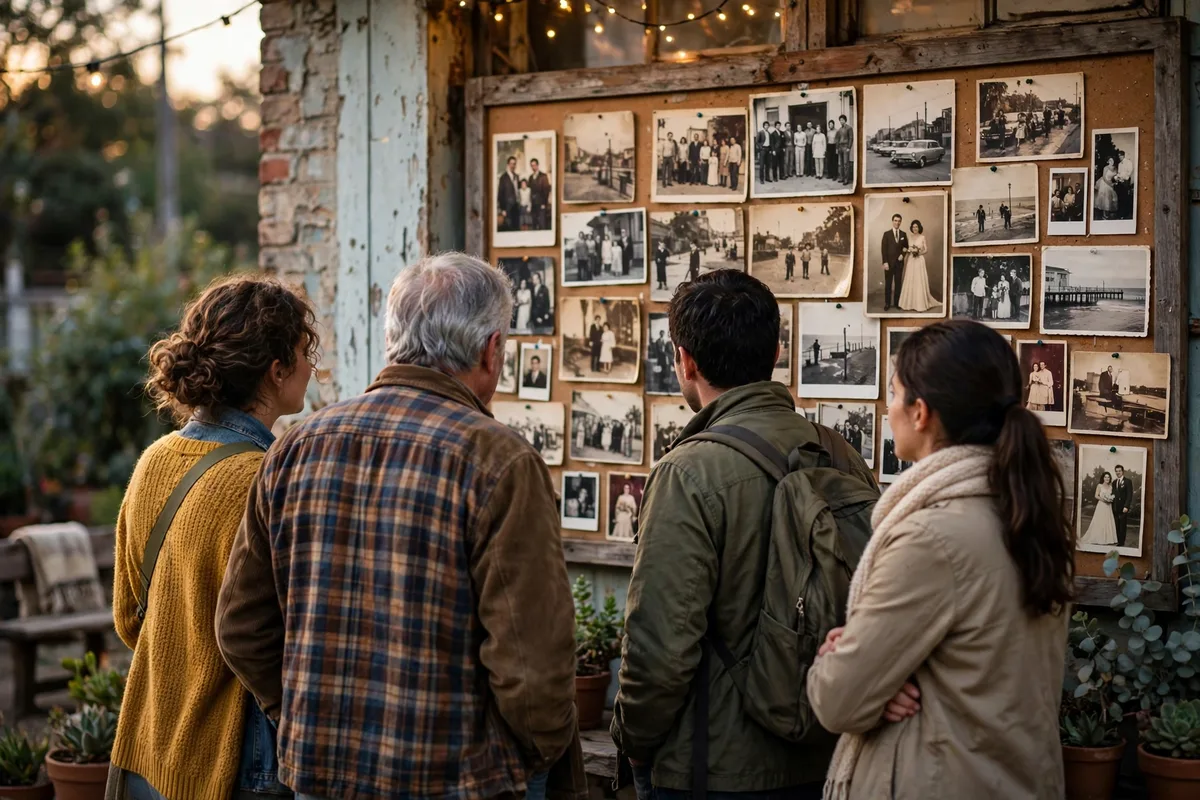
Invite your audience to share their own throwback memories around a theme you set. This turns your nostalgia into a shared conversation.
6. Throwback bloopers and happy accidents
Share the outtakes: the burnt cake, the collapsed display, the photo taken at the wrong moment, the plan that went sideways and became a better story.
Posting checklist
- Use only your own old photos, or ones you have permission to share.
- Add context: what was happening, and why it matters now.
- Keep the caption warm toward your past self.
- Pair old and new photos for a clear contrast.
- Ask permission before sharing anyone else's memories.
- Mix funny, proud, and quiet moments across a series.
- Save the best throwbacks to a highlight.
Frequently asked questions
How old should a throwback be?
There is no strict rule. A year or more feels like a true throwback, but a "one year ago today" post works at any age. What matters is that enough has changed for the comparison or memory to feel meaningful.
Can I share old photos of other people?
Only with their permission. Even old photos of friends, staff, or customers should be checked first, especially if the photo shows them in a different time of life. When in doubt, crop, describe, or skip it.
How often should I post throwbacks?
Once a week is a good rhythm for a series, or occasionally for a single memory. Too many throwbacks can make an account feel stuck in the past, so balance them with current content.
What if my old photos are low quality?
Low quality is part of the charm. Old phone photos, scanned prints, and faded colours signal authenticity. Just make sure the subject is recognisable, and add a clear caption to carry the story.
Closing
Throwbacks work when they pair an old moment with a present meaning: a first attempt, a visible change, a lesson learned, or a blooper that became a story. A weekly series keeps the habit alive, and inviting your audience's memories turns nostalgia into conversation.
Open your camera roll or your old photo folder today, find one moment worth revisiting, and tell its story. Your past has better content in it than you remember.
Related posts in this series
- Story Ideas for milestones – ideas and examples you can post today
- Story Ideas for behind the scenes – ideas and examples you can post today