Story Privacy And Safety for behind the scenes – ideas and examples you can post today
Introduction
Behind-the-scenes stories are popular because they feel honest. Viewers love seeing the messy desk, the failed take, and the preparation before the polished result. That honesty is also the risk, because real workplaces and homes contain private information: client work, personal documents, other people's faces, and the layout of spaces you would not normally show strangers. A behind-the-scenes story invites viewers backstage, and backstage is where the private material lives.
1. Choose a backstage corner, not the whole room
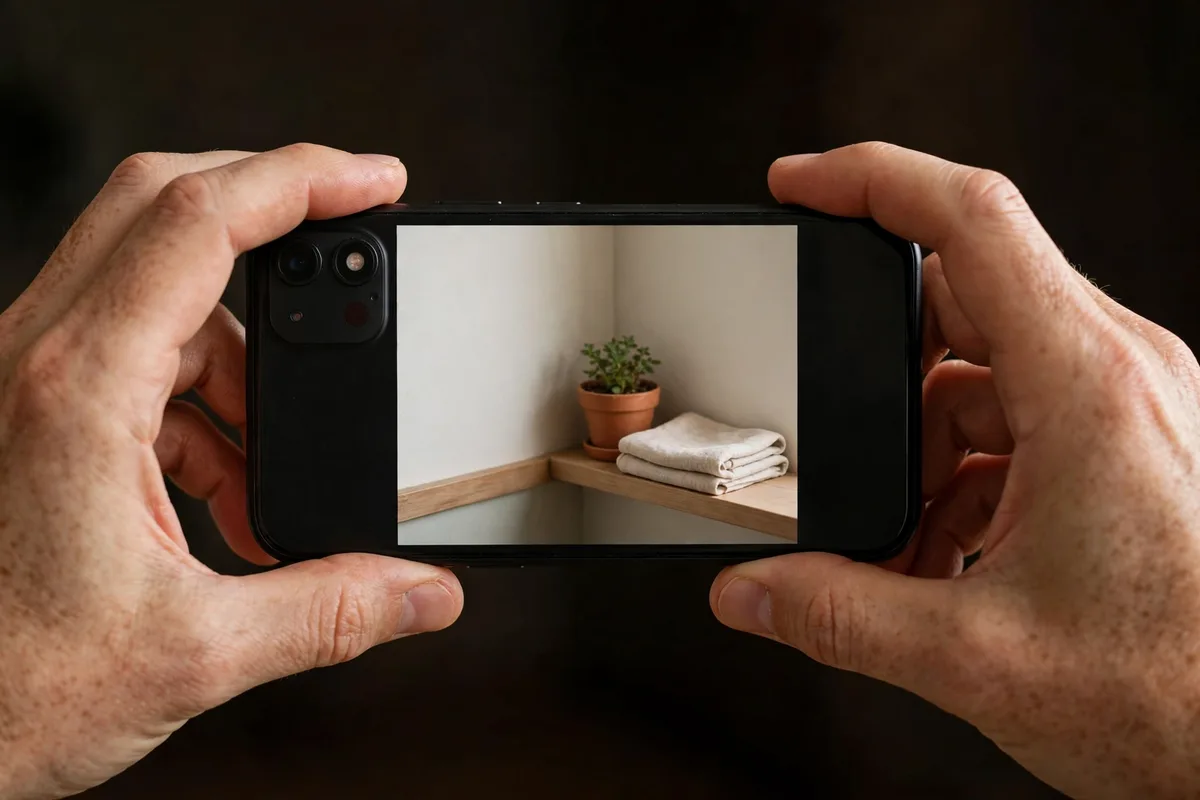
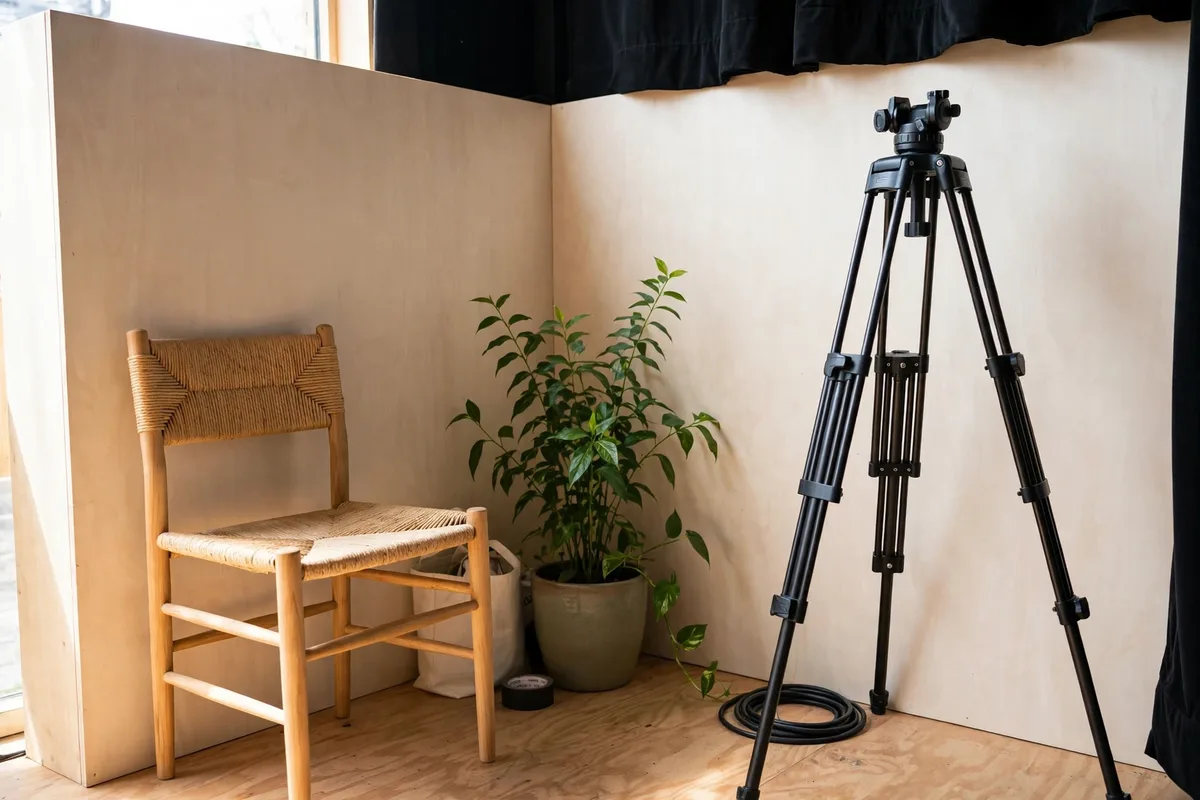
The safest behind-the-scenes habit is to pick one small, controlled area to film, and film only there. A tidy corner of a desk, a kitchen counter, a studio backdrop, or a single workbench can represent your whole process without revealing the rest of the room. A potter who filmed her whole studio realised viewers could see her home address on a parcel, her diary on a shelf, and her children's drawings on a wall, all in one clip. She created a single filming corner with a plain backdrop and nothing personal.
2. Keep client and workplace material out of frame
Behind-the-scenes content from work is especially sensitive, because it can include other people's confidential material: client names, project files, internal documents, or unreleased work, all visible in a casual pan across a desk or screen. Even a blurred screen can sometimes be read, and a file name alone can reveal a client. Before filming at work, ask what your employer or client allows, close unrelated files, and film only your own hands and tools. One designer re-filmed a desk time-lapse with a blank sheet covering the desk edge, after spotting a client's logo and project title in the corner.
3. Show the mess that is yours, not someone else's
Audiences love mess, but only when it belongs to the poster. Your own tangled cables, flour-covered counter, or pile of drafts are charming. Someone else's messy bedroom, a colleague's cluttered desk, a child's untidy room, or a partner's personal belongings are not yours to share. Ask before filming anyone else's space, and accept that some spaces are off limits. One creator's rule was that she filmed only rooms she personally cleaned, meaning her own studio and kitchen, never her flatmates' rooms or her partner's office. The rule ended every argument about behind-the-scenes content in her home.
4. Protect the people who make the scene work
Behind-the-scenes stories are full of helpers: assistants, family members, friends holding lights, delivery drivers, and colleagues passing tools. Those people rarely agreed to be public content, and a quick appearance can link their personal account to your audience or reveal where they work. Tagging makes it worse, because it creates a direct link. Film helpers from behind, show hands rather than faces, or ask explicitly before including anyone recognisably. One photographer credited her assistant by first name only, without a tag, after the assistant explained she kept a private account for family reasons. The credit still honoured her work.
5. Delay behind-the-scenes posts when timing matters

Some behind-the-scenes content is time-sensitive: a surprise being prepared, a location being set up, a product made for a specific event, or a workplace that should not be identified in real time. Posting live can spoil a surprise, reveal a venue before an event, or show that a studio is unattended. Delaying by hours or days removes the timing risk while keeping the content. A baker preparing a surprise birthday cake posted the decorating process only after the cake had been delivered, with no recipient name or address. The story still showed the skill and the mess, but the surprise survived.
6. Edit before you post, not after you regret it
Behind-the-scenes stories are often posted raw, with no edit, because rawness feels authentic. That rawness is also why they leak. A two-minute edit, watching the clip once from start to finish and checking background, audio, and captions, catches most problems: a name spoken aloud, a document in the corner, a reflection, or a personal detail in conversation. One creator caught herself saying a client's full name aloud in a voiceover, something she would never have written in a caption. She re-recorded the voiceover, and the story was fine. Editing is not the opposite of authenticity. It lets authenticity survive without regret.
Posting checklist
- Film in one controlled corner, not the whole room, and keep personal items out of it.
- Close unrelated files, hide client material, and film your own tools, not paperwork.
- Show only your own mess, and ask before filming anyone else's space.
- Protect helpers with hands-only shots, first-name credit, or no tag at all.
- Delay time-sensitive behind-the-scenes posts until surprises and events have passed.
- Watch every clip once, fully, before posting, checking background, audio, and captions.
Frequently asked questions
Does editing behind-the-scenes content make it less authentic?
No. Editing out private details, names, and documents does not change the story of how you work. It removes parts never meant for an audience, and viewers rarely notice what was removed. Authenticity is about honesty, not publishing everything the camera captured.
Can I film at work for behind-the-scenes stories?
Sometimes, but check first. Many workplaces and clients restrict filming, and confidential material can appear accidentally. Ask your employer or client, film only your own work area, and keep screens, documents, and other people's work out of frame.
How do I credit helpers without exposing them?
Use first names only, show hands or work rather than faces, and ask whether they want a tag. Many helpers appreciate credit without a public link to their personal account. When in doubt, ask privately before posting, and honour a request for anonymity.
Should behind-the-scenes stories be posted live?
Only when timing does not matter. If a post could spoil a surprise, reveal a venue, or show a space unattended, delay it until afterwards. Delayed behind-the-scenes content still feels immediate, because the process is what viewers enjoy, not the timestamp.
Closing
Good behind-the-scenes stories show how the work happens, not where every private detail lives. Pick a corner, hide the paperwork, respect other people's spaces, protect your helpers, delay anything time-sensitive, and watch each clip once before it goes out. Backstage can still feel backstage, even when the door is only opened as far as you choose.
Related posts
- Story Privacy And Safety for launches – ideas and examples you can post today
- Story Privacy And Safety for tutorials – ideas and examples you can post today