Story Privacy And Safety for students – ideas and examples you can post today
Introduction
Student life is intensely public in ways that are easy to miss: timetables, campuses, classmates, societies, part-time jobs, and exam seasons all generate stories, each revealing where a student is and when they are alone. A post made at eighteen can still be found by a future employer years later. Safe student stories are not about hiding student life; they are about enjoying it without publishing the timetable behind it. Share the learning, friendships, and fun, and keep schedules and personal struggles in private conversations.
1. Keep your timetable and campus routine off stories

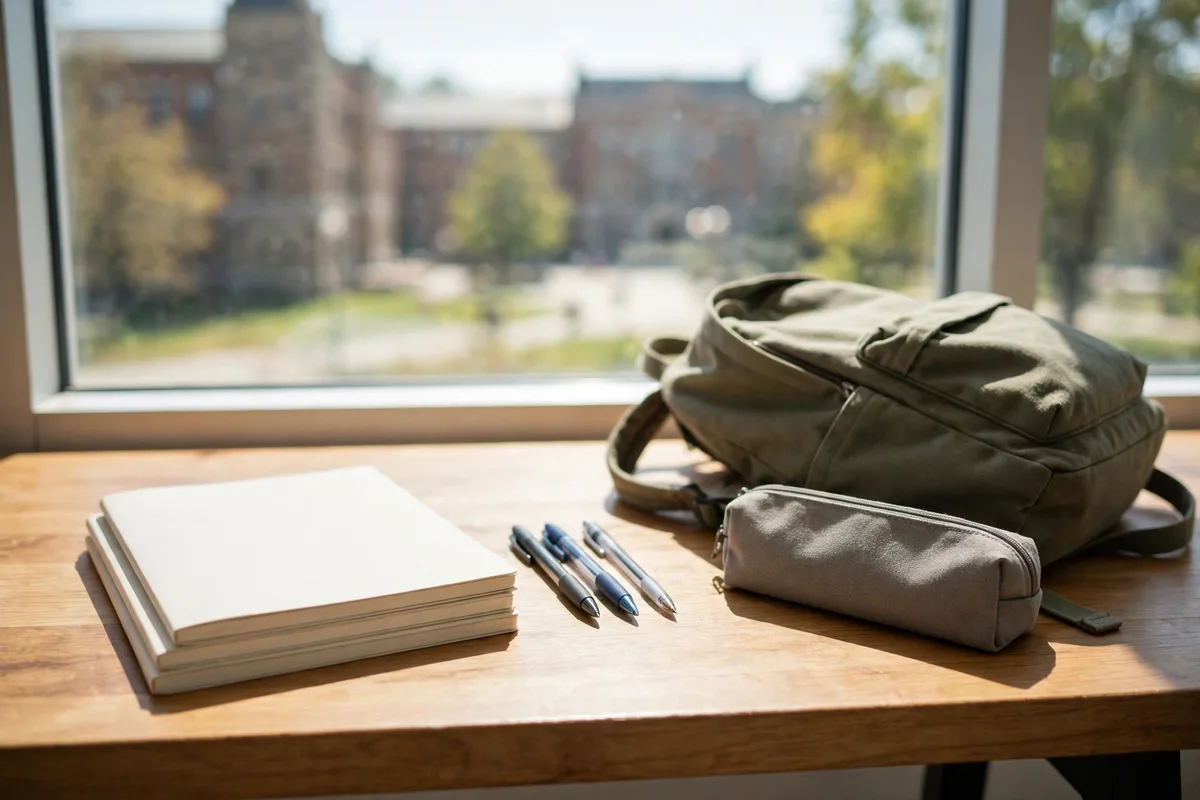
A student timetable is a map of a week: which building you are in, at what hour, and when you travel between campuses or home. Posting a timetable photo, a lecture-room story with the building name visible, or a routine story showing your commute can let a stranger predict where you will be and when you will be alone. Share the subject instead of the schedule: notes with no room numbers, a line about a lecture enjoyed without naming the building or time, a study tip without the library floor. One student realised a stranger was commenting on her exact lecture times, because she had shared her timetable in a study-motivation post. She deleted it, stopped naming buildings, and now posts work, not whereabouts.
2. Protect classmates and group-project partners
Group work, societies, and student events put other people in your stories, and those people may not want to be public. A classmate may have safety, family, or career reasons for keeping a low profile, and a society member may not want their attendance at a particular event to be public. Ask before you tag or feature anyone, and accept a no without making it awkward. For group photos, consider whether everyone in the frame has agreed, and crop or avoid faces when consent is unclear. One student society now asks at the start of every event whether anyone prefers not to be photographed, and marks those members so photographers know to avoid them.
3. Do not post exam stress, grades, or personal struggles publicly

Exam season generates emotional stories, and those stories can reveal more than intended. A post about failing a test or facing a difficult personal situation can be seen by future employers, tutors, and strangers, and screenshotted far beyond its original audience. It can also attract intrusive questions. If you need support, reach out privately to friends, family, a tutor, or a student support service, where the conversation stays confidential. Public stories can still acknowledge that exam season is hard in general terms, such as a post about taking breaks, without naming your grades, module, or situation. One student who posted about a failed exam in detail later regretted it when a future interviewer mentioned the post. Your grades and wellbeing are not content; they deserve private support, not public exposure.
4. Keep part-time work and money details out of stories
Many students work part-time, and work stories can reveal an employer, workplace location, shift pattern, and pay rate, all of which can be misused. A shift story can show a uniform badge or rota, a pay story can reveal financial pressure scammers target, and a complaint about a manager can be seen by the employer and cost a student their job. If you want to share work life, keep it general: what you learned, a skill you practised, or a funny moment with no names, workplace identifiers, or schedule. One cafe worker stopped posting from shifts after a customer recognised the cafe from a story background and complained to her manager about a post meant as a joke. She now posts only in general terms, after her shift, with no uniform or signage.
5. Check what your story background reveals about your accommodation
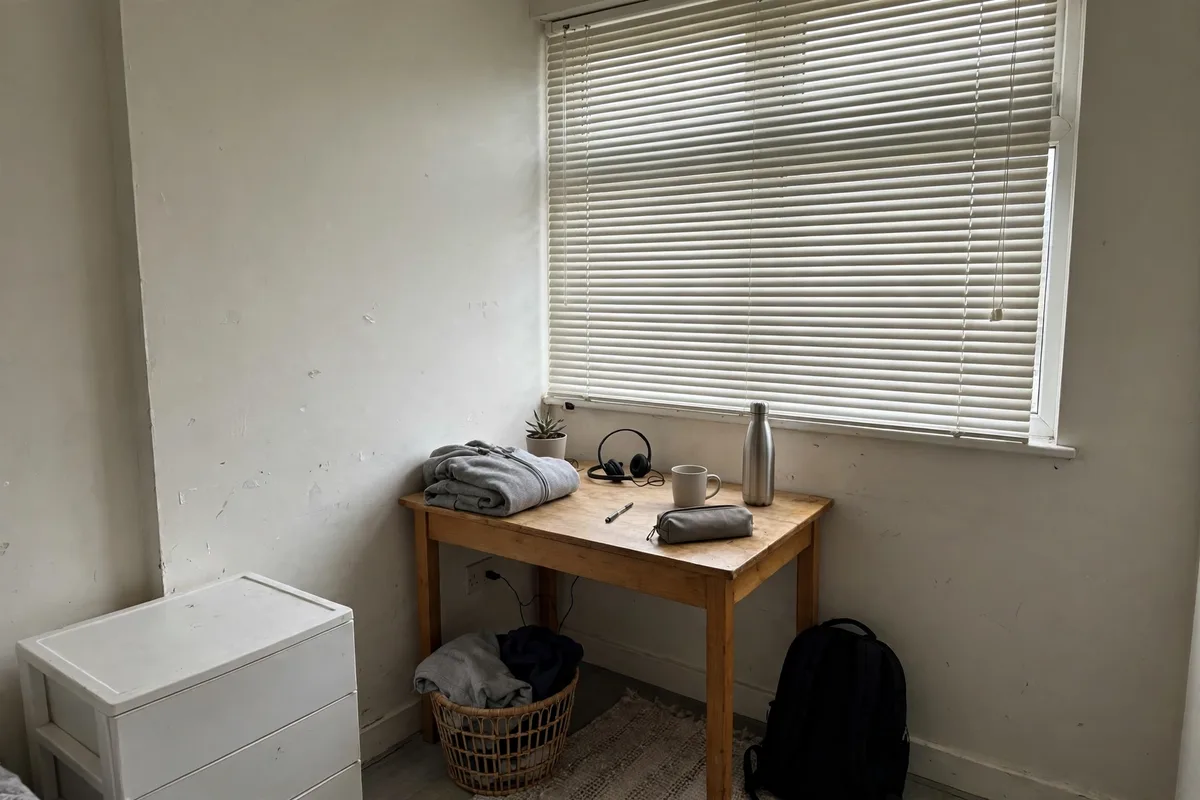
Student accommodation is often shared, temporary, and less secure than a family home, which makes background details especially risky. A story filmed in a student room can show a door number, a building name through a window, a parcel label with your name and address, or a flatmate's belongings. Before filming in accommodation, tidy the background: turn parcels face down, close doors showing numbers, angle away from windows showing building names, and ask flatmates whether they are comfortable in frame. One student flat now has a simple agreement: no filming in shared spaces without asking everyone present, and no door numbers or parcel labels ever on camera. Your room deserves the same background check as any home.
Posting checklist
- Share subjects and study tips, never your timetable, building names, or commute routine.
- Ask classmates and group partners before tagging them, and respect a no.
- Keep grades and personal struggles in private support conversations, not public stories.
- Share work life in general terms only, with no employer badges, rotas, or pay details.
- Check accommodation backgrounds for door numbers, parcel labels, and building names.
- Ask whether your future self would be comfortable with each frame being seen in five years.
Frequently asked questions
Can I post study content without revealing my schedule?
Yes. Show your notes, methods, and what you learned, without room numbers or timetable photos. Your study content is valuable because of the ideas, not where you studied.
Should I tag classmates in student stories?
Only with explicit agreement for that post. Some classmates have personal or safety reasons for staying out of public posts, and a no should be accepted without pressure.
Is it safe to post about exam stress?
General posts about looking after yourself during exams are fine, but avoid naming grades or personal struggles publicly. For real support, contact friends, tutors, or support services privately.
Can I post from my part-time job?
Keep it general and after your shift, with no uniform badges, signage, or schedules. Avoid complaints about managers or customers, since employers may see them.
Closing
Student stories can be full of learning, friendship, and fun without publishing the timetable, building, grade, or struggle behind them. Share subjects instead of your schedule, protect classmates, keep personal difficulties private, keep work stories general, and check your accommodation background. When those habits become automatic, your account becomes something you can be proud of for years: a life well lived, shared safely.
Related posts
- Story Privacy And Safety for throwbacks – ideas and examples you can post today
- Story Privacy And Safety for Q and A – ideas and examples you can post today