Story Privacy And Safety for parents – ideas and examples you can post today
Introduction
Parenting and posting pull in opposite directions. You want to share the funny breakfast moment and the first day of school, but every story frame can also reveal where your children are and what your daily routine looks like. Protecting your family does not mean going silent. It means choosing an audience for each story, checking what is visible in the background, and building a few habits that become automatic.
1. Build a Close Friends list for family moments

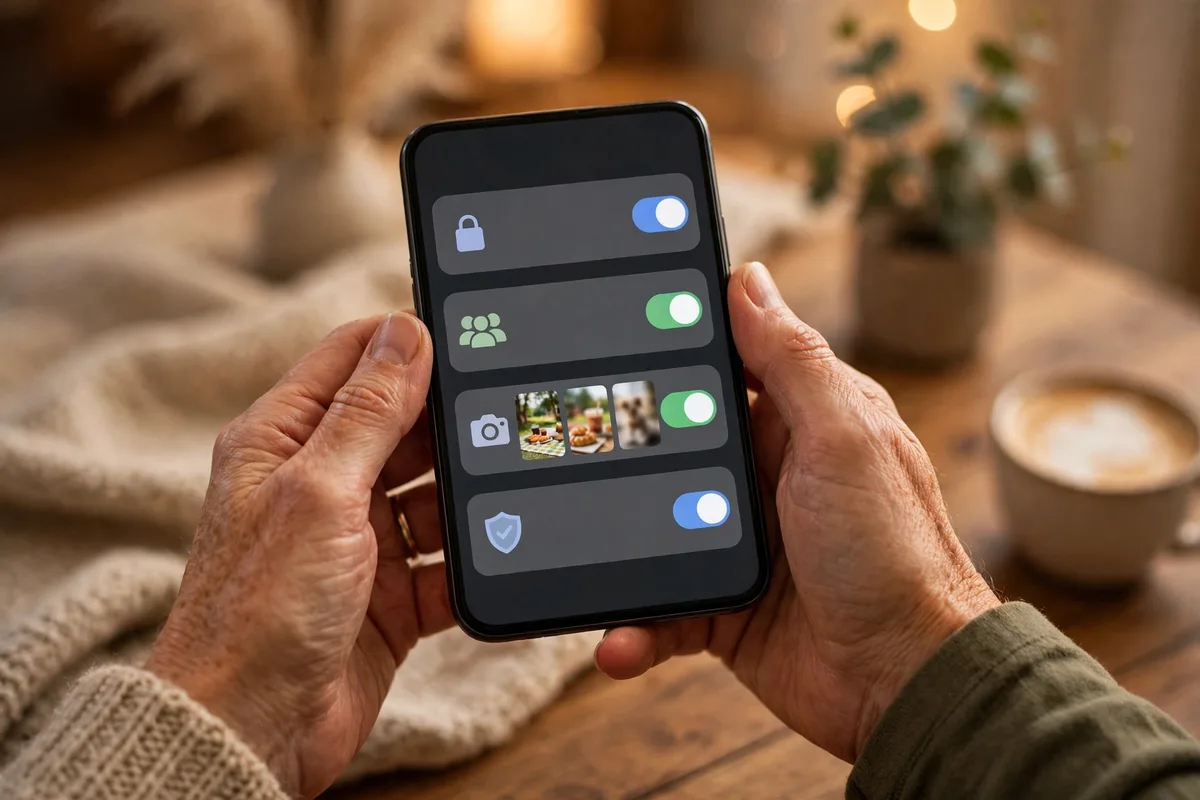
A Close Friends list is the simplest privacy tool a parent has, because it lets you share the sweet, ordinary moments with a small circle instead of your whole follower list. Start with the people you would happily invite into your living room: grandparents, siblings, and a couple of trusted friends. Leave out acquaintances, work contacts, and anyone you have only met once. One parent keeps her list to twelve people and posts school-morning stories only to that group, while her public stories show crafts, recipes, and scenery with no children in frame.
2. Hide stories from specific people when needed
Sometimes the issue is not your whole audience but one or two people. Instagram lets you hide your stories from specific accounts without unfollowing or blocking them, which is useful for a colleague who follows you, an ex-partner, or a distant relative who comments on everything. A father who coaches a youth team hides his family stories from parents of players he does not know well, while still sharing team news publicly. The hidden person simply does not see your stories, and there is no notification. Check the setting whenever circumstances change, such as after a house move or a child starting a new school.
3. Keep children's identities out of public frames
A child's face, full name, school uniform, and birthday are the details most worth protecting in a public story. Before posting, look at the frame the way a stranger would: is there a school logo, a name badge, a house number, or a birthday banner with a full name and age? One mother photographs her daughter's artwork instead of her daughter, and captions it with the story of making it, so followers enjoy the moment without learning anything identifying. If your child is old enough, ask them too; a child who says no deserves the same respect as an adult who does.
4. Strip location clues from family stories
Children's routines are predictable, which makes location clues especially sensitive. A story filmed outside the school gates, at the same playground every Saturday, or in front of your house number tells a stranger where to find your family and when. Post location stories after you have left, not while you are there, and skip location stickers on school, home, and regular activity spots. A family that loves a local park posts the picnic photos in the evening, with the swings and trees visible but no signs or street names. The same rule applies to uniforms and club badges that name a place.
5. Assume any story can be screenshotted and shared
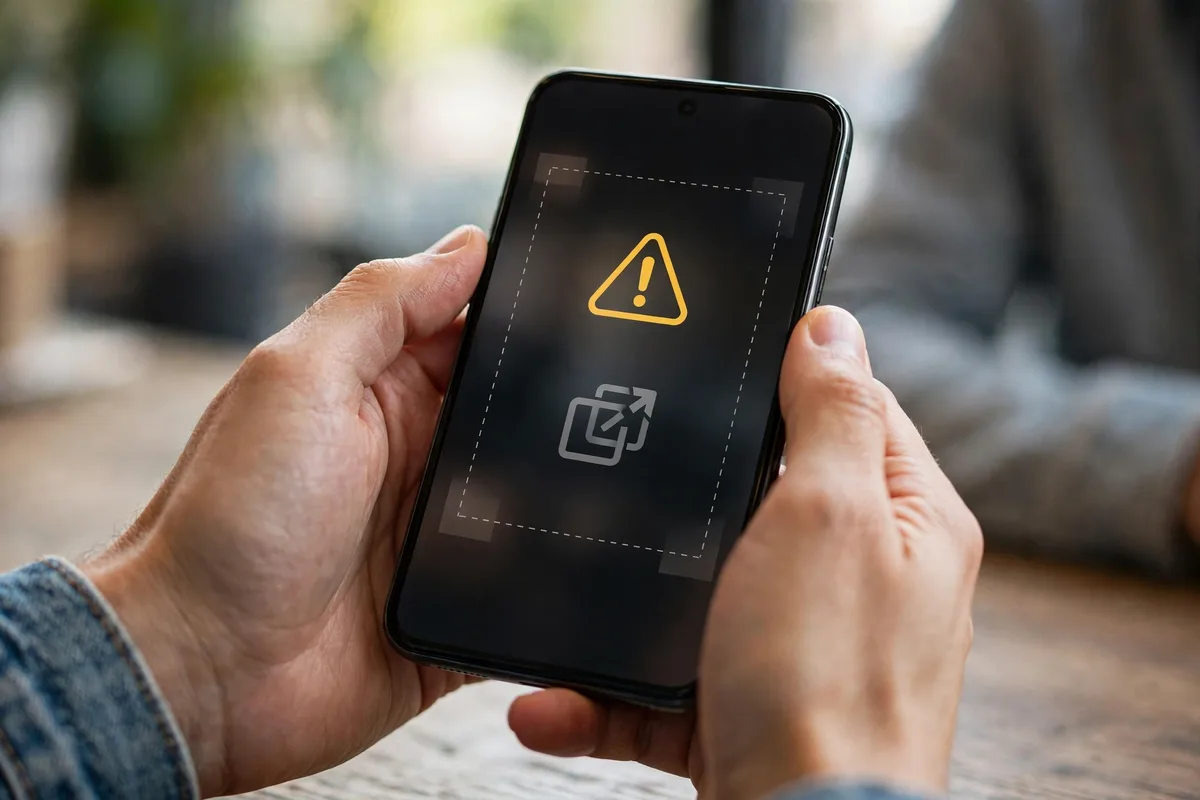
Stories disappear after a day, but a screenshot lasts as long as someone keeps it. Before posting a family moment, ask yourself whether you would mind it being forwarded to a group chat you cannot see. If the answer is no, either keep it to Close Friends or skip it. One parent's rule is worth copying: nothing involving children undressed, upset, or in trouble goes in a story at all. The same caution applies to other people's children. Never post a photo of someone else's child without that parent's clear permission, even at a public event.
6. Teach blocking, reporting, and the monthly check
Blocking and reporting are safety tools, not rudeness. If an account sends strange messages, leaves uncomfortable comments on family stories, or follows your children, block it and report it, and show your older children how to do the same on their own accounts. One family has a monthly ten-minute check: they sit together, look at follower lists, remove accounts nobody recognises, and confirm that story settings still match what they want. The children learn that privacy is a normal habit, like locking the front door, rather than a punishment.
Posting checklist
- Share family moments with Close Friends, not your full follower list.
- Hide stories from specific people when circumstances change.
- Check every frame for school logos, name badges, and house numbers.
- Post location stories after you have left, never in real time.
- Never post another parent's child without that parent's permission.
- Block and report uncomfortable accounts, and review followers monthly.
Frequently asked questions
Should my account be private if I post about my children?
A private account is the strongest single step, because only approved followers see your stories. If you want a public presence, keep family moments on Close Friends.
Is it safe to post school stories at all?
It can be, with care. Avoid school names, logos, uniforms, and the school gates, and post after the school day rather than during it. Many parents post the artwork, the lunchbox creation, or the after-school story instead of anything filmed at school itself.
What if a relative keeps resharing my children's stories?
Talk to them directly first, and explain that resharing breaks the audience you chose. If it continues, move family stories to Close Friends and leave that relative off the list. Your child's privacy matters more than avoiding an awkward conversation.
At what age should I let my child decide about photos?
Start early, in small ways. Even a young child can say whether they like a photo, and older children should have a real veto. Letting children practise consent at home makes it far easier for them to set boundaries with friends later.
Closing
Protecting your family on stories is less about fear and more about intention. A small Close Friends list, a quick background check, a delayed location post, and a monthly follower review will cover most of the risk, and they take minutes once they become habit. Share the joyful moments with the people you actually trust, and let your children see you treating their privacy as something worth guarding.
Related posts
- Story Privacy And Safety for travellers – ideas and examples you can post today
- Story Privacy And Safety for minimalists – ideas and examples you can post today