Story Privacy And Safety for throwbacks – ideas and examples you can post today
Introduction
Throwback posts feel safe because the moment is already over. That is exactly why they catch people out. An old photo carries old details: a childhood home, a school uniform, a car plate, a friend who never agreed to be public. Worse, a throwback re-publishes something to a much larger audience than the one that saw it first, and the people in it may have grown up or changed their minds. A safe throwback means re-reading an old photo with present-day eyes: who is in it, what does it reveal, and would everyone still say yes today.
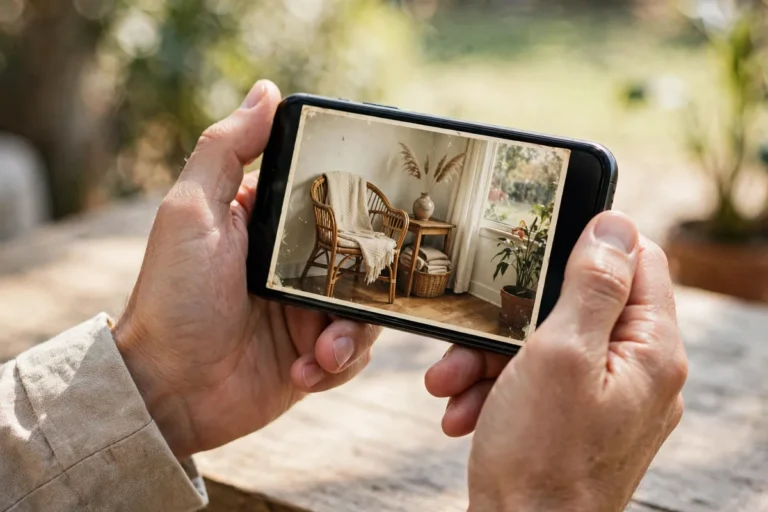
1. Re-read old photos for details you no longer notice

When a photo was taken, its details felt ordinary. Years later, those same details can be identifying. Look at a throwback the way a stranger would, not the way you remember it. Check for house numbers, street signs, school names on uniforms, car plates, workplace logos, and names on certificates in the background. Check reflections and frame edges, where a sibling or stranger can appear half-cropped. One creator reposted a childhood holiday photo and only noticed afterwards that the hotel sign named the exact resort and year, helping a stranger narrow down her family history. She now crops tightly, blurs background text, and asks: what in this photo would I hide if I took it today.
2. Ask the people in the photo, even if you asked years ago
Consent ages. A friend happy to be in a photo at fifteen may not want it on your public story at thirty, and a colleague may have left a workplace and built a new career they do not want linked to an old role. Before posting a throwback featuring anyone else, check with them now, not with the memory of a yes from years ago. A short message, such as I found this old photo of us and would love to share it, are you still happy with that, respects the person they are today. One creator lost a friendship over a throwback posted without re-asking, because it showed her friend at a difficult time. Re-asking takes a minute. If you cannot reach someone, or they do not reply, do not post a photo identifying them clearly.
3. Be extra careful with childhood throwbacks

Childhood photos deserve the strongest protection, because the child in the photo could not consent then, and the adult they became may not want that image public now. A childhood photo can reveal a school, home, and family structure, and can be copied in ways hard to control. If the child is someone else, including a sibling, their current consent is essential, and a parent's old permission is not enough once they are an adult. One creator now shares childhood throwbacks only with faces cropped, or photos of an object such as an old toy, rather than a child's face and location together.
4. Do not let a throwback reveal where you used to live or go to school
Old photos are a map of your past, and your past can identify your present. A throwback from a childhood street, school gate, or family home can reveal your hometown, school, and family network, which, combined with current posts, helps a stranger build a fuller picture of you. Share the memory without the map: describe the feeling, not the name, and crop out signage and landmarks. One creator now writes about the smell of rain on a summer street, rather than naming the street, and her followers connect with the feeling without learning the location. Memory is about sensation, not coordinates.
5. Check the date and context before you re-publish a painful moment

Throwbacks are not always happy. An old photo can revisit a relationship that ended, a workplace you left, a health struggle, or a loss your audience knows nothing about. Re-publishing it without context can reopen something for you, for the people in it, or for followers going through something similar. Before posting a throwback from a difficult period, ask whether you and the other people in it are ready for comments, and whether it could read as celebrating something painful. One creator posted a cheerful throwback from a trip that ended in a serious argument, and comments about the friend in the photo forced her to explain a private falling-out publicly. She now pauses before complicated throwbacks, adding a brief frame such as a complicated chapter, remembered kindly.
Posting checklist
- Re-read every old photo for house numbers, signs, plates, and reflections before posting.
- Re-ask everyone identifiable for consent now, even if they agreed years ago.
- Protect childhood photos most strongly; prefer cropped or object-focused images.
- Share the feeling of a past place, not its name or school.
- Pause before throwbacks from difficult periods, and set the tone honestly.
- Save throwbacks to highlights only if they pass today's privacy test.
Frequently asked questions
Can I post old photos of friends without asking again?
Better to ask again. Consent ages, and a friend who agreed years ago may not want the photo public now. If they do not reply, do not post it.
Are childhood photos safe to share if they are my own?
They can reveal your school, home, and family history, and can be copied beyond your control. Prefer cropped versions, and avoid combining a childhood face with a named place and year.
Should I name the place in a throwback caption?
Usually not. Naming a town, school, or venue turns a memory into a location record. Describe the feeling of the place instead, and crop out identifying signage.
Can I save throwbacks to a highlight?
Yes, if they pass a stricter test than a one-day story. Only save throwbacks you would be comfortable with a stranger finding years from now, and audit the highlight as your audience grows.
Closing
Throwbacks are a gift: a chance to revisit who you were and share that joy with people who only know who you are now. That gift deserves care. Re-read old photos, re-ask the people in them, protect childhood images most strongly, and share feelings instead of locations. Then a throwback is a warm memory, safely shared, honouring the past without exposing it.
Related posts
- Story Privacy And Safety for seasonal content – ideas and examples you can post today
- Story Privacy And Safety for students – ideas and examples you can post today