Story Privacy And Safety for local businesses – ideas and examples you can post today
Introduction
A local business story lives in two worlds at once: findable enough for nearby customers to visit, and private enough that staff, customers, and owners stay safe. That tension is where most mistakes happen. A behind-the-scenes story can show a staff member who did not agree to be public, a customer thank you can reveal who shops with you, and a premises tour can show your alarm panel or back entrance. Safe stories are welcoming on purpose, inviting customers into the public parts while keeping security details out of frame.
1. Get staff consent for every appearance, and make opting out easy

Staff members are not marketing material by default. A team member happy to serve customers may not want their face, name, or voice on your public story, and may have personal reasons you know nothing about. Ask each staff member directly, in private, whether they are happy to appear, what they are happy to share, and whether that permission covers stories, highlights, or both. Make opting out easy, with no pressure, and respect a no without asking for a reason. One cafe owner realised she had never actually asked her longer-serving staff either, after a new team member asked not to be filmed. She now keeps a consent note for each team member, checks it before filming, and films the workspace and atmosphere rather than faces when consent is unclear.
2. Never film customers without clear, specific permission
Customers in a local business have a reasonable expectation of privacy. They came to eat, shop, get a haircut, or attend a class, not to appear in your marketing. Filming a busy shop floor, queue, or dining room can capture customers, including children, without their knowledge, and posting it can embarrass them or expose them to people they were avoiding. If you want customer footage, ask the specific people who will be visible, explain exactly where it will appear and for how long, and accept a no graciously. For atmosphere shots, film when premises are quiet, film products rather than faces, or use angles showing no identifiable people. One salon owner films her work on a mannequin head rather than clients.
3. Keep security details out of premises content
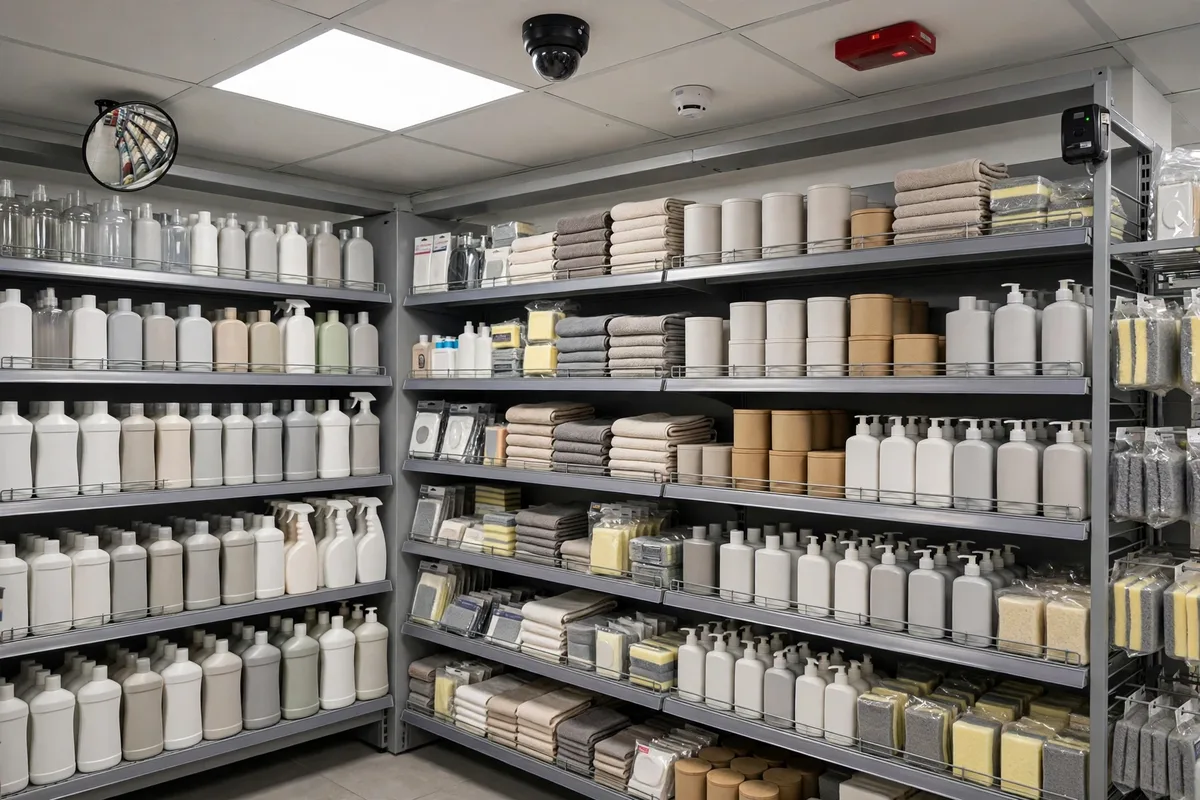
Premises stories are the most common source of security leaks for local businesses. A tour can show an alarm panel, a safe, a stockroom door, a back entrance, a delivery schedule on a whiteboard, or a key cabinet, and a story about closing time can reveal when the premises are empty and who locks up alone. Before filming, walk through as a stranger looking for weaknesses: cover whiteboards, close stockroom doors, turn alarm panels away from camera, and remove rotas, delivery notes, and invoices from the background. One shop owner caught a delivery schedule and supplier's phone number on a whiteboard behind a product photo just before posting. Share the welcoming front: the display, the counter, the atmosphere. Keep the operational back off camera.
4. Separate your business contact routes from your personal ones
Local business owners often blur business and personal contact, especially when the business is small. A story including a personal phone number, email, or profile tag invites customers to contact you at all hours, and exposes your personal account to strangers and scammers. Use a dedicated business number, email, and profile for all story contact, and keep personal accounts entirely separate. If you work from home, never publish your home address as your business address; use a business address, collection point, or contact form instead. One home-based baker used to share her home address with every customer, until a difficult customer arrived unannounced. She now takes orders through a form and meets customers at a collection point, keeping her home address completely private.
5. Handle reviews, complaints, and difficult customers privately
A negative review or difficult customer can tempt a business owner into a public response story, and that response can breach the customer's privacy, escalate the conflict, and damage the business more than the original complaint. Never post a customer's name, photo, order details, or message screenshots in a response, even if you believe the customer was unfair. Respond publicly only in general, gracious terms, such as thank you for your feedback, please message us, and move the conversation to a private channel. One restaurant owner who posted a customer's order history found other customers stopped leaving reviews, fearing the same treatment. She now handles every complaint privately. Privacy in those moments is professionalism, not weakness.
Posting checklist
- Ask each staff member privately for story consent, record it, and make opting out easy.
- Never film identifiable customers without specific permission; film details or quiet moments instead.
- Check premises footage as a stranger first, covering whiteboards and alarm panels.
- Use only business contact routes, and never publish a home address as a business address.
- Handle complaints privately; never post a customer's name, order, or messages publicly.
- Give every team member the same short story rule, and remind them before busy periods.
Frequently asked questions
Can I film my shop floor for a story?
Yes, if no identifiable customers appear, or every visible customer gave specific permission. Film during quiet moments, focus on products and atmosphere, and avoid faces without clear consent.
Should staff appear in our business stories?
Only staff who privately agreed to appear for that content. Record consent, respect a no without asking why, and film the workspace rather than faces when consent is unclear.
Is it safe to show our premises on stories?
Show welcoming public areas, such as displays and counters, but keep stockrooms, alarm panels, back entrances, and delivery schedules off camera. Check every background before filming.
How should I respond to a negative review on stories?
Do not name the customer or share their order or messages. Respond in general, gracious terms publicly, and move the conversation to a private channel.
Closing
A local business story should feel like an open door, not an open file. Ask your staff, protect your customers, keep security details off camera, and handle complaints privately. When those habits hold, your stories stay warm and welcoming, and the people and premises behind them stay safe. That is the kind of business customers trust and recommend.
Related posts
- Story Privacy And Safety for thank you posts – ideas and examples you can post today
- Story Privacy And Safety for creators – ideas and examples you can post today