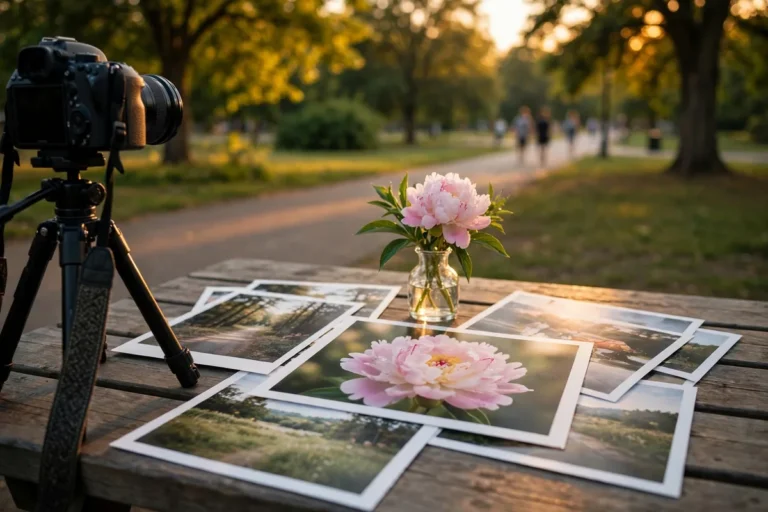
Story Ideas for behind the scenes – ideas and examples you can post today
Introduction
Behind-the-scenes stories are consistently among the most watched kinds of content, and the reason is simple: people are curious about how things are made. The finished photo, product, or performance is impressive, but the messy desk, the failed first attempt, and the hands doing the work are what feel real. A behind-the-scenes story invites viewers into your process instead of just showing them your result.
You do not need a studio or a team to post good behind-the-scenes stories. Your kitchen table, your notebook, your tools, and your honest narration are enough. The ideas below are for public stories you create yourself, showing your own work in progress. Pick one today, film it as you work, and notice how differently viewers respond when they see the process, not just the polish.
1. The workspace tour
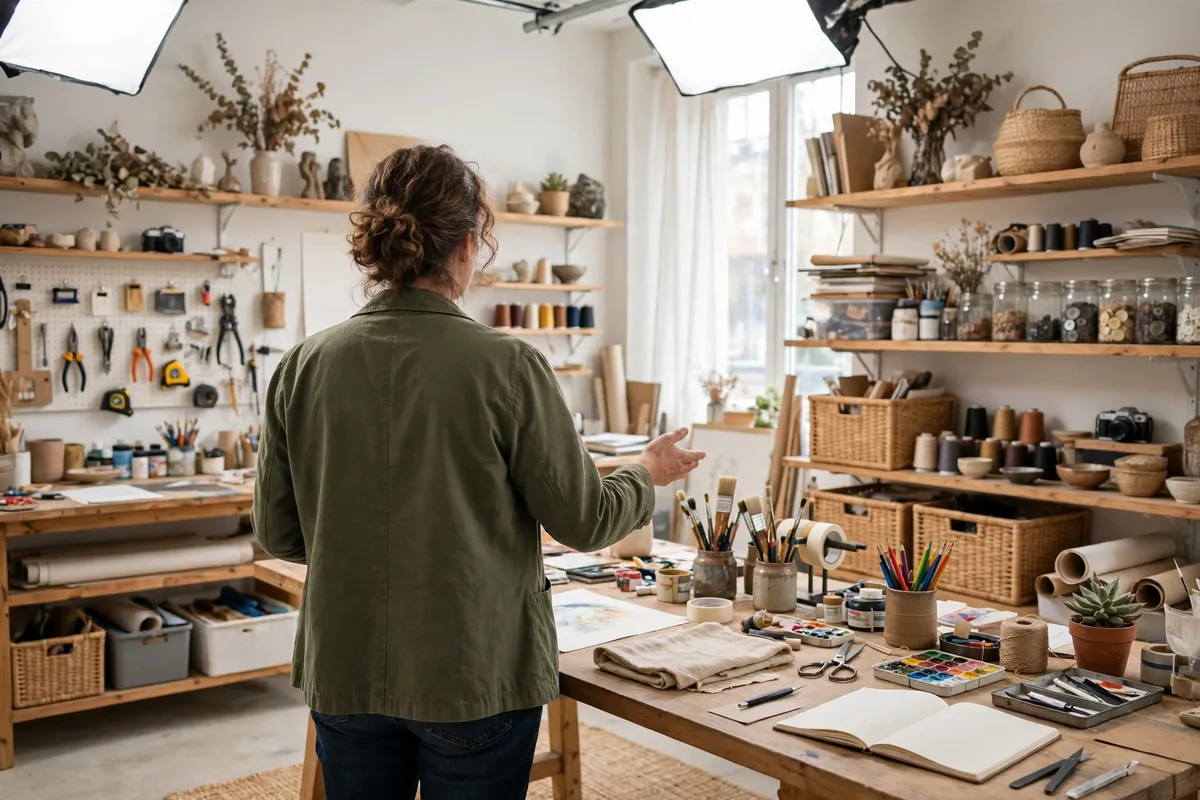
Show where the work actually happens. Film a slow pan across your desk, kitchen counter, workshop bench, or garden table, and narrate briefly: "This is where today's work happens: laptop, notebook, coffee, chaos." Workspace tours work because they feel intimate without revealing anything private; they show the environment of your work, not your personal life. Keep the shot tidy enough to be watchable but honest enough to be believable. A completely spotless workspace looks staged, while a working mess with visible tools tells the truth about how things get made.
2. The messy middle
Post the stage nobody usually shows: the half-finished draft, the cake that sank, the design with three versions crossed out, or the rehearsal that went wrong. Caption it, "Attempt two. Attempt one is in the bin." The messy middle is powerful because it normalises struggle. Viewers who only see finished work assume it came easily, and that assumption can be discouraging. Showing a failure or a rough draft builds trust and often draws the most encouraging replies of any story type. Keep the tone light and good-humoured; you are sharing a process, not asking for sympathy.
3. Tools of the trade
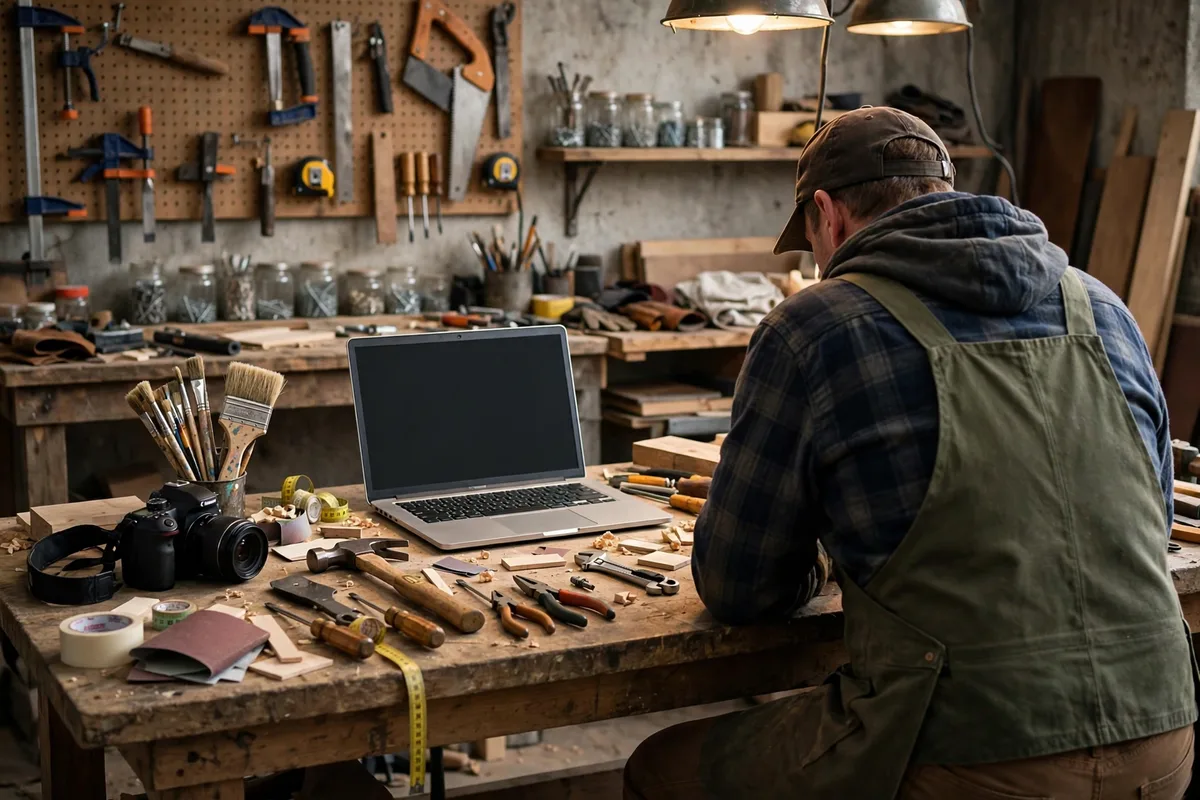
Show the tools you actually use, one at a time or as a small flat lay: brushes, notebooks, software, ingredients, instruments, or machinery. Add a short note about why each matters, such as, "This old notebook holds every first draft." Tool stories work because they are practical and specific; viewers who do similar work love comparing equipment, and beginners appreciate knowing what is genuinely needed. Avoid turning it into a shopping list. The point is your relationship with the tools, not their brands or prices, so keep the focus on how you use them.
4. A time-lapse of the work
Film a short time-lapse of a task from start to finish: kneading dough, sketching a portrait, assembling a product, or tidying a room. Set it to no music or a simple caption, and add a line like, "Forty minutes of work in forty seconds." Time-lapses are satisfying because they compress effort into a neat, watchable arc, and they show skill without bragging. Keep the camera steady, use good light, and choose a task that visibly changes from start to finish. A task with no visible progress makes a dull time-lapse, however skilled the work behind it may be.
5. The people behind the work
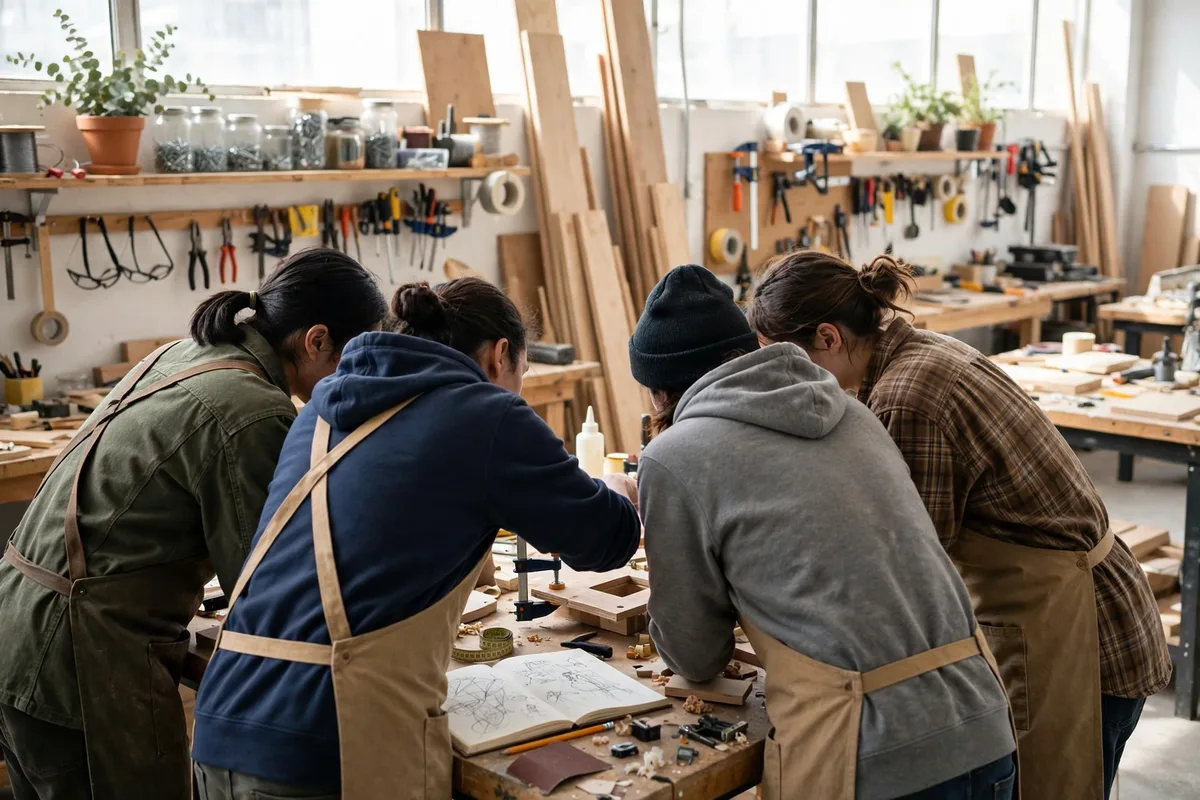
If others help you, introduce them briefly and warmly, with their permission. A clip of a friend packing orders, a colleague taste-testing, or a family member offering an opinion, captioned, "Could not do this without Sam's taste-testing," adds warmth and humanity. People stories work because audiences connect with people more than with products or processes. Keep introductions short, respectful, and optional: never film someone who has not agreed, and never share personal details about helpers. One genuine, willing face can transform how viewers feel about everything else you post.
6. Before the reveal: the setup shot
Post the setup just before the finished result appears: the table arranged for photos, the stage before the audience arrives, the dish about to be served, or the parcel about to be sealed. Caption it, "Nearly there. Final result coming next." Setup shots work because they create a small cliffhanger, giving viewers a reason to watch your next story. They also show the care that goes into presentation, which is often invisible in the final image alone. Pair the setup with the reveal as a two-story sequence, and you have a simple, repeatable format that works for almost any kind of work.
Posting checklist
- Film while you work, not after you have tidied everything away.
- Show the messy middle, not only the polished result.
- Keep clips short, steady, and well lit.
- Get permission before filming anyone who helps you.
- Narrate briefly: one honest sentence per slide is enough.
- Avoid sharing private details, addresses, or sensitive information.
- Pair a setup shot with its reveal for a satisfying sequence.
Frequently asked questions
Do behind-the-scenes stories need to be polished?
No, quite the opposite. A slightly rough, honest clip feels more believable than a slick production. Good light and steady hands help, but the appeal is authenticity, not production value.
What if my workspace is not impressive?
An ordinary workspace is ideal. Viewers want to see real working conditions, not a showroom. A kitchen table with visible tools and a coffee mug is more relatable than a studio most people will never have.
How much of my process should I share?
Share the interesting stages and keep trade secrets or personal details private. You can show a technique without revealing every detail, and you can film a workspace without showing addresses, documents, or other people's private information.
Can behind-the-scenes stories work for non-creative jobs?
Yes. Any work has a process worth showing: preparing a lesson, organising a shop, planning an event, or cooking a meal. If a task has visible steps, it has a behind-the-scenes story.
Closing
Behind-the-scenes stories succeed because they trade polish for honesty. A workspace tour, a failed first attempt, or a time-lapse of real work tells viewers something a finished photo never can: that effort, care, and ordinary mess went into what they see. Try the messy middle this week, and watch the replies. When viewers see how something is made, they value it more, and they remember the maker behind it.
Related posts in this series
- Story Ideas for launches – ideas and examples you can post today
- Story Ideas for creators – ideas and examples you can post today