Story Ideas for tutorials – ideas and examples you can post today
Introduction
Tutorial stories are some of the most useful content you can post, because they teach something in a format people actually finish. Unlike a long video, a story tutorial is short, visual, and step-by-step, which suits viewers who want to learn one small skill quickly, such as folding a shirt properly, fixing a wobbly table, or making a simple sauce. If you know how to do something, you can probably teach it in stories.
You do not need to be an expert or a professional teacher. A clear, honest tutorial from someone who does the thing regularly is often more helpful than a polished expert version. The ideas below are for public stories you create yourself, teaching skills from your own experience. Pick one skill you know well, break it into steps, and post it today.
1. The one-skill, three-step tutorial

Choose a single small skill and teach it in exactly three steps, one slide per step. For example, a perfect boiled egg: "Step one: boil the water first. Step two: lower eggs in gently, six minutes. Step three: ice bath, then peel under water." Three steps work because they are easy to follow and easy to remember; viewers can screenshot the sequence and try it immediately. Keep each step to one short sentence plus a clear photo or clip.
2. The common mistake tutorial
Teach by showing what usually goes wrong, then the fix. For example: "Mistake: stirring risotto constantly. Fix: stir occasionally and let it absorb." Or, "Mistake: overwatering houseplants. Fix: check the soil first; water only when dry." Mistake tutorials are popular because they solve a frustration viewers already have, which makes the advice feel immediately valuable. Keep the tone friendly, never mocking: the point is that everyone makes this mistake, including you once. Show your own before-and-after if you can, because a personal example is more convincing than a general rule.
3. The no-tools-needed tutorial
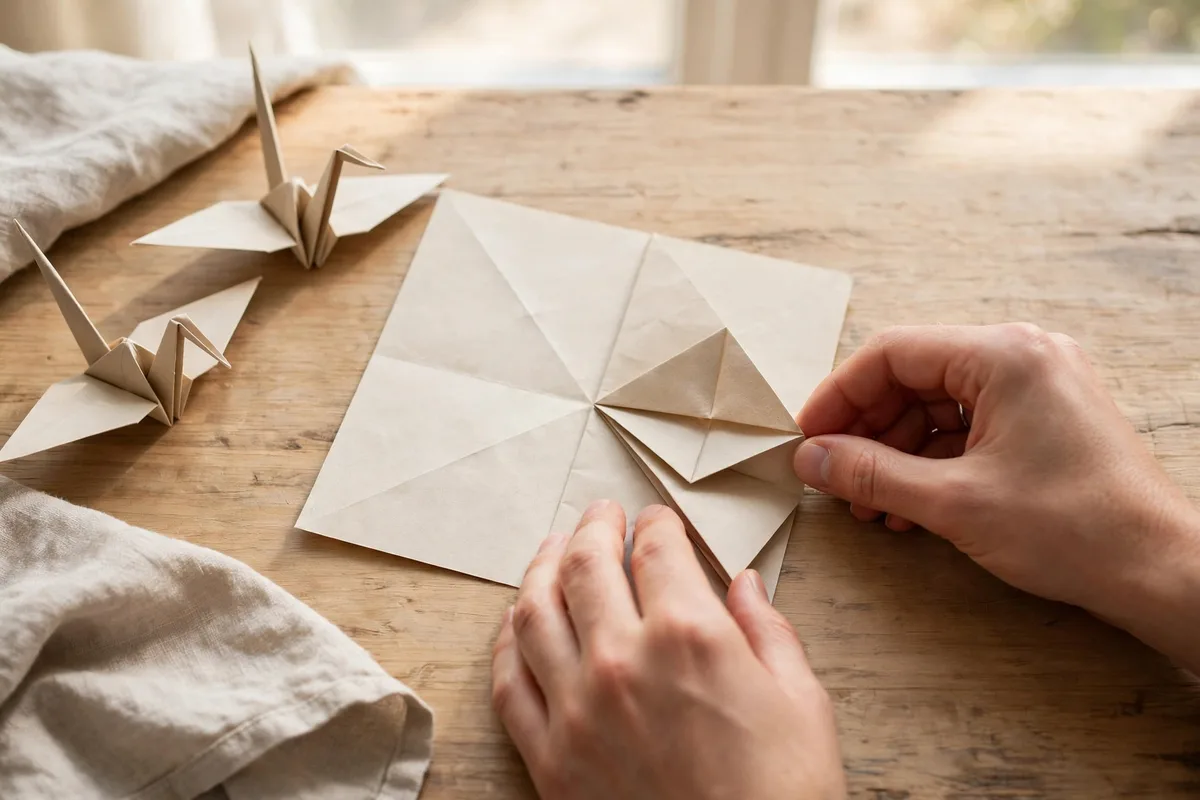
Teach something that needs no special equipment, only hands and everyday items. Examples include folding a fitted sheet, tying a secure knot, removing a sticker cleanly, or refreshing stale bread in the oven. No-tools tutorials work because they remove every barrier: viewers can try them the moment they finish watching, with things they already own. State clearly at the start that no tools are needed, so viewers know the tutorial is for them. Film your hands doing the task in good light, and keep the camera close enough that each movement is visible.
4. The timed challenge tutorial
Teach a skill inside a time limit, such as, "Tidy a drawer in five minutes," or, "Learn this knot in sixty seconds." Timed tutorials are engaging because the clock adds gentle excitement, and viewers like knowing exactly how long a skill takes to learn. Keep the challenge honest: if it takes most people longer on a first try, say so, and present the time as a goal rather than a guarantee. Film in real time where possible, so viewers can follow along rather than watching a sped-up blur. A short timer graphic or a simple countdown caption adds to the fun.
5. The follow-along tutorial

Invite viewers to do the skill at the same time as you, slide by slide. For example: "Do this with me: first, fold the paper in half. Now open it and fold the corners in." Follow-along tutorials work because they turn passive watching into active learning, and viewers who complete a task feel a small sense of achievement they associate with you. Pause between steps by using separate slides, so viewers can catch up without rewinding. End with a prompt to share their result, such as, "Show me your finished fold," which turns a tutorial into a conversation.
6. The quick recap slide
End every tutorial with a single recap slide listing the steps in order, so viewers can screenshot it. For example: "Recap: boil, six minutes, ice bath, peel." Recap slides are the most saved part of any tutorial story, because they turn a disappearing story into a lasting reference. Keep the recap to a few short lines in large, readable text, and use a plain background so it photographs clearly as a screenshot. If you make tutorials regularly, a consistent recap style helps viewers recognise and save them instantly, building a small library of your teaching.
Posting checklist
- Choose one small skill, not a whole subject.
- Break it into three to five clear, ordered steps.
- Film hands and materials closely, in good light.
- Write one short sentence per slide, in plain words.
- Show the common mistake and the fix where relevant.
- End with a recap slide viewers can screenshot.
- Invite viewers to try it and share their result.
Frequently asked questions
How long should a tutorial story be?
Three to six slides is ideal. Fewer feels incomplete, while more risks losing viewers halfway. If a skill needs more steps, split it into a two-part tutorial across two days.
Do I need to be an expert to post tutorials?
No. You need to know the skill well enough to teach it safely and accurately. Teaching something you genuinely do yourself, in your own words, is more trustworthy than repeating expert advice you have not tested.
Should tutorial stories include text or voice?
Both work, and together they work best. Short text on each slide ensures the tutorial is followable with sound off, while a brief voiceover adds warmth and explanation. Keep text large and readable.
What if viewers say my method is wrong?
Thank them and consider their point. Different methods suit different people, and a polite discussion in replies can improve the tutorial for everyone. Correct genuine errors openly in a follow-up story.
Closing
Tutorial stories work because they respect the viewer's time: one skill, a few clear steps, and a recap worth saving. You already know dozens of small skills worth teaching, from kitchen tricks to household fixes, and each one is a story waiting to be posted. Try the three-step format today with something you do without thinking. The moment a viewer replies, "It worked," you will understand why tutorials earn some of the most loyal audiences on stories.
Related posts in this series
- Story Ideas for Q and A – ideas and examples you can post today
- Story Ideas for students – ideas and examples you can post today