Story Ideas for food lovers – ideas and examples you can post today
Introduction
Food stories are about more than a finished plate. The sizzle in the pan, the first chop of fresh herbs, the steam rising from soup, and the happy mess after baking all tell a story that a single perfect photo cannot.
The ideas below are for food lovers creating their own public stories at home, at markets, or in cafés. You do not need professional cooking skills or expensive ingredients. A simple omelette, a market haul, or a family recipe made slightly wrong can be more enjoyable than a flawless dish.
Keep your stories original, generous, and practical. Share what you cooked, what you learned, and what you would change next time, and let viewers taste the idea through your words.
1. A recipe in four slides

Break a simple recipe into four clear slides: ingredients, preparation, cooking, and the finished dish. For example, a tomato pasta could show chopped garlic and tomatoes, the sauce simmering, the pasta being tossed, and the final bowl with basil on top.
Write one short instruction per slide, such as, "Cook garlic gently until golden, not brown." Keep quantities general and honest, and mention any swap you made: "No basil today, so I used parsley instead."
2. A market haul story
Film your market basket before you cook anything. Show colourful vegetables, fresh bread, herbs, or spices, and name two or three items you are excited about. For example: "Sweetcorn, soft cheese, and the ripest peaches I have seen all month."
Explain what you plan to make, even if the plan is vague: "Peaches for dessert, sweetcorn for tonight, cheese for everything." That small preview builds curiosity for a later cooking story.
3. A first taste verdict
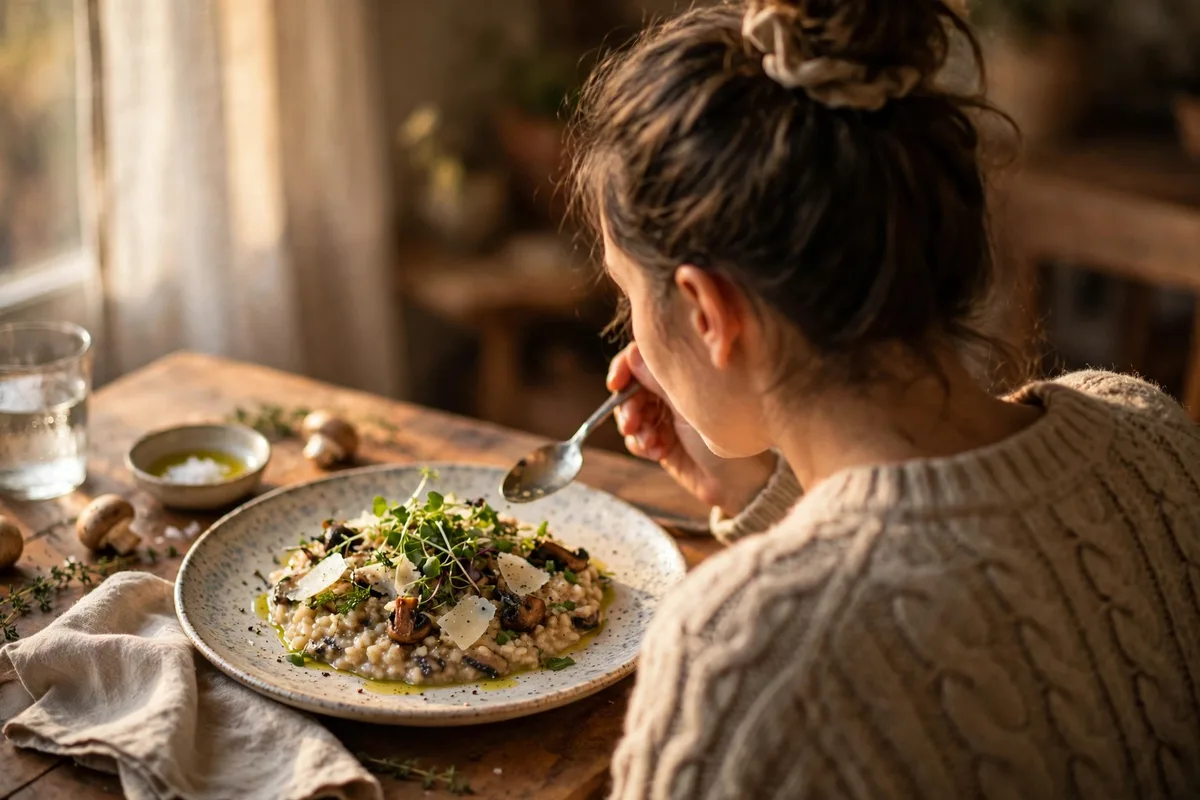
Share your honest reaction to a new dish, snack, or flavour combination. Show the food up close, take a bite, and describe it in your own words. For example: "Crisp outside, soft inside, with a lemon tang that wakes the whole plate up."
Avoid copied reviews or exaggerated praise. A balanced verdict is more useful: "I loved the texture, but next time I would add less salt and more herbs." That kind of detail helps viewers decide whether to try it themselves.
You can also compare two versions, such as shop-bought versus homemade pastry, and let viewers vote on which they prefer.
4. A kitchen rescue story
Turn a cooking mistake into a helpful story. Perhaps the sauce thickened too much, the bread rose unevenly, or the spices were stronger than expected. Show the problem honestly, then show the fix: a splash of water, a new topping, or turning burnt edges into crunchy croutons.
For example: "Too much chilli, so I added yoghurt and lemon. Saved." These stories reassure beginners and remind experienced cooks that every kitchen has off days.
5. A seasonal plate idea
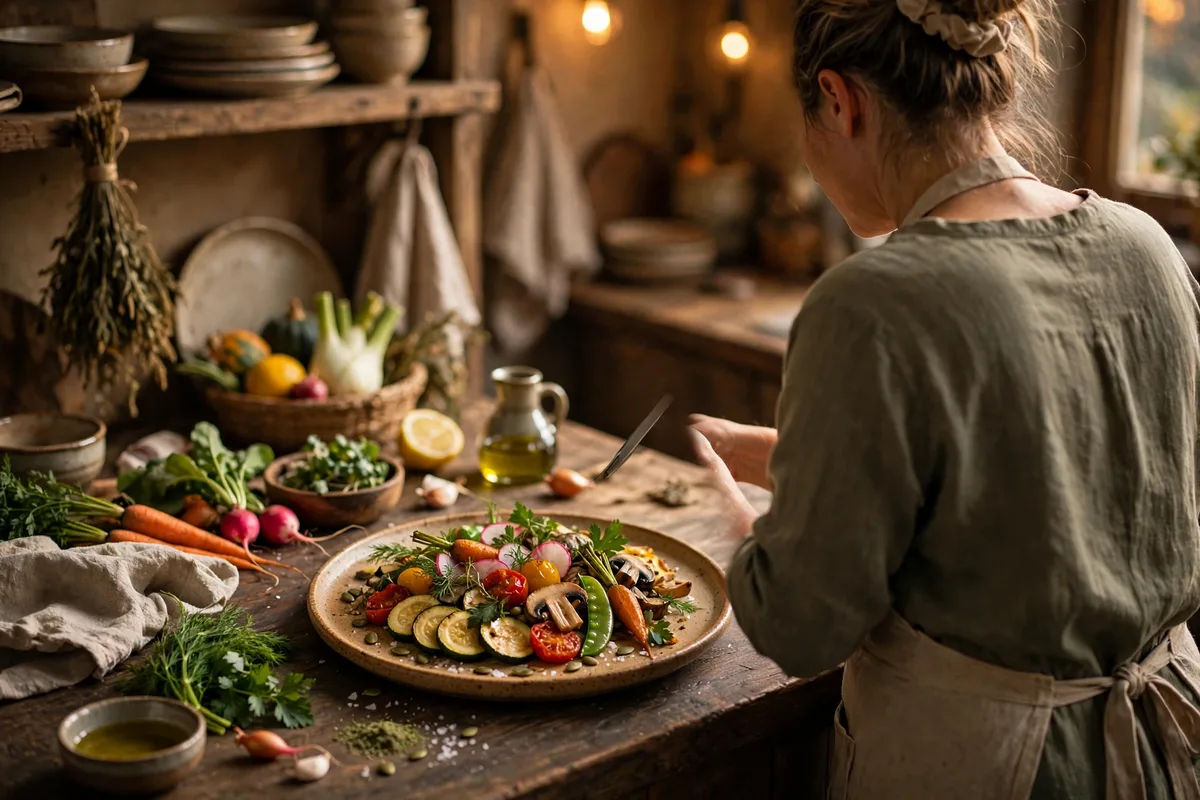
Build a story around one seasonal ingredient. In spring it could be peas or asparagus, in summer tomatoes or berries, in autumn squash or apples, and in winter citrus or root vegetables. Show the ingredient raw, then cooked simply, with one sentence about why you love it now.
For example: "First squash of autumn, roasted with olive oil and thyme until the edges caramelise." Ask viewers what they cook with that ingredient: "What is your favourite way to use squash?" Their answers often become your next recipe idea.
6. A comfort food memory
Share a dish connected to a happy memory, without sharing private family details. It could be soup on rainy days, pancakes on slow weekends, or rice pudding made the way you learned as a child. Show the dish being made today, and write one warm sentence about why it matters.
For example: "This soup tastes like rainy Sundays at home." You do not need a long personal story. One sensory detail, such as the smell of cinnamon or the sound of a bubbling pot, is enough.
Comfort food stories connect deeply because taste and memory are closely linked. They invite viewers to share their own favourites in return.
Posting checklist
- Choose one dish or ingredient per story, not a full menu.
- Film ingredients, cooking, and the finished plate in short clips.
- Use natural light near a window and wipe the lens first.
- Write original captions and describe flavours in your own words.
- Share mistakes and fixes honestly, not only perfect results.
- Keep quantities and steps simple enough to follow at home.
- End with a question about flavours, swaps, or favourite dishes.
Frequently asked questions
Do I need to be a good cook to post food stories?
No. Simple dishes, honest reactions, and kitchen rescues are often more enjoyable than expert cooking. Viewers connect with real attempts, clear steps, and flavours described in plain language.
How can I film food without fancy equipment?
Use your phone near a window, film short steady clips, and focus closely on colour and texture. A clean plate, a simple background, and natural light matter more than new gear.
Should I share exact recipes in stories?
Short stories work better with general steps than long ingredient lists. Share the key idea, one or two tips, and any swap you made, and save detailed recipes for a longer post if you wish.
What if a dish does not turn out well?
Post the rescue, not just the failure. Show what went wrong, what you changed, and how it tasted afterwards. Those stories teach viewers and feel refreshingly honest.
Closing
Food stories taste best when they are simple, sensory, and honest. A four-slide recipe, a market haul, a first taste, or a rescued sauce can all spark ideas for someone else's dinner tonight.
Start with the dish you are already cooking today. Film it in natural light, describe it in your own words, and ask viewers what they would cook next. That small, generous habit is how a food-loving feed grows, one delicious story at a time.
Related posts in this series
- Story Ideas for travellers – ideas and examples you can post today
- Story Ideas for fitness fans – ideas and examples you can post today