Story Ideas for travellers – ideas and examples you can post today
Introduction
Travel stories work best when they feel like a postcard from the road, not a polished travel brochure. Viewers want to see the train window view, the market stall that smelled wonderful, the wrong turn that led somewhere better, and the meal you are still thinking about.
The ideas below are for travellers creating their own public stories while they explore. They suit city breaks, road trips, hikes, and slow journeys alike. Keep your posts focused on what you saw, tasted, and learned, and avoid sharing live locations, hotel details, or travel dates that could reveal where you are staying.
Choose one idea, capture it simply, and let the place speak for itself.
1. The arrival snapshot

Post your first impression of a new place in one or two slides. It could be a station sign, a busy street, a mountain view, or a quiet harbour at dawn. Add one honest sentence, such as, "First morning here, and the air already smells like rain and fresh bread."
Avoid filming your hotel room number, tickets with personal details, or maps showing your exact accommodation. A wide street scene or a landscape tells the story safely and beautifully.
2. A taste test in three bites
Share a local dish or snack in three short slides: the stall or café front, the food up close, and your verdict. For example: "First bite: warm, salty, and crisp. Second bite: even better with lemon. Verdict: I would walk back here tomorrow."
Describe flavours, textures, and prices in general terms, without naming private people or sharing receipts. If a dish surprises you, say why: "I expected it to be spicy, but it was smoky and gentle instead."
3. A wrong turn worth keeping
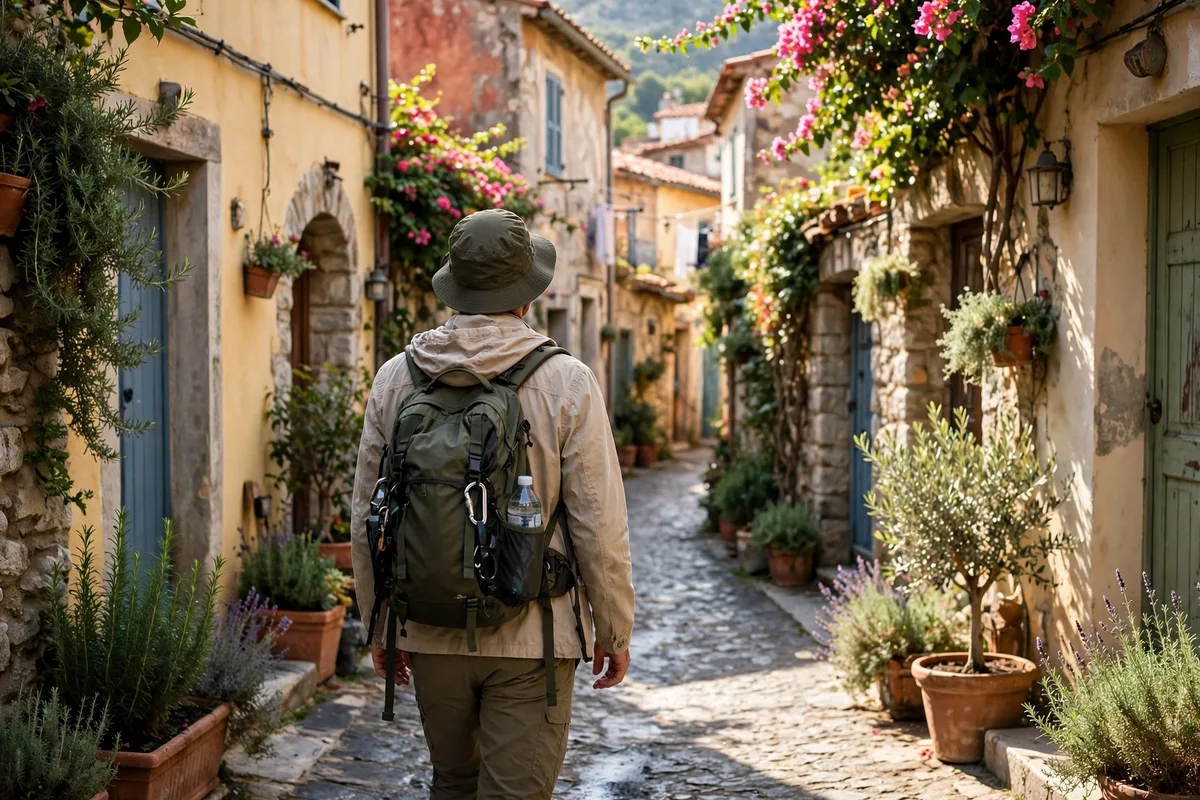
Turn a small travel mishap into a charming story. Perhaps you missed a bus, followed the wrong path, or ordered something unexpected. Show the empty platform, the quiet lane, or the surprising café you found instead, and explain what happened in two sentences.
For example: "Missed the last bus, found this bakery instead. Best mistake of the trip." These stories are relatable because every traveller has been lost at least once.
4. A packing or travel tip from the road
Share one tip you wish you had known before you left. It could be packing cubes for a small bag, a refillable bottle for long walks, comfortable shoes for cobbled streets, or a paper map when phone signal fades.
Show the item in use, not just sitting in a bag. For example, film yourself refilling a bottle at a fountain, or show how a scarf doubles as a blanket on a cool evening train.
One practical tip per story is enough. Viewers remember a single useful idea far better than a long list, and you can save other tips for later days of the trip.
5. A local detail most visitors miss
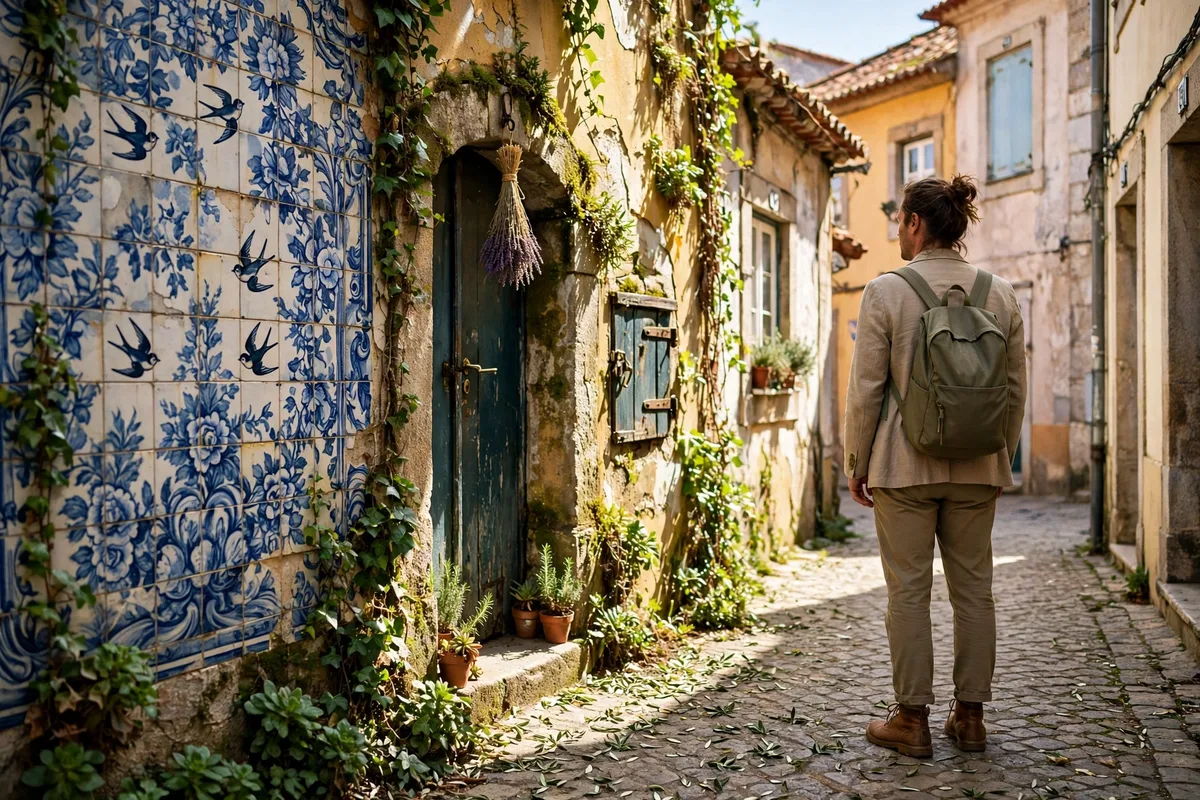
Look for a small detail that guidebooks overlook: a painted door, a street cat asleep in the sun, a handwritten menu, a tiled staircase, or a market seller arranging fruit by colour. Photograph it closely and write what caught your eye.
For example: "Every door on this street is a different shade of blue. I stopped at every single one." These quiet observations make travel stories feel personal rather than generic.
Ask viewers a gentle question, such as, "Do you notice doors, windows, or street signs when you travel?" That turns a simple photo into a conversation about how people see places differently.
6. A sunset closing story
End each travel day with one calm closing slide. It could be evening light over rooftops, waves on a shore, lamps coming on in a square, or your feet resting after a long walk. Add a short reflection: "Long day, good food, and this sky to finish it."
If the weather turns grey, embrace it instead: "No sunset tonight, just rain on the windows and a warm café. Still perfect." Honest endings beat forced beauty every time.
Posting checklist
- Share places and meals, not live hotel details or exact travel dates.
- Start with an arrival snapshot to set the scene for viewers.
- Keep food and tip stories to one clear idea per story.
- Use natural light and film short, steady clips while walking.
- Write captions in your own words and check names and spellings.
- Turn mishaps into light, general stories without naming individuals.
- End the day with one calm closing slide, even on grey days.
Frequently asked questions
Should I post my location while I am travelling?
It is safer to share places after you have left them, or in general terms without hotel names and dates. A street scene or landscape tells the story without revealing where you are staying tonight.
How many travel stories should I post each day?
Three to five strong slides beat twenty rushed ones. Choose an arrival moment, a meal, a detail, and a closing view, and leave the rest for another day.
What if my travel photos look ordinary?
Ordinary moments often feel most real: a market stall, a train window, or a quiet lane. Good light, a clear subject, and one honest sentence matter more than dramatic scenery.
Do I need expensive camera gear for travel stories?
No. A phone, clean lens, and steady hands are enough. Focus on interesting subjects and simple captions, and upgrade only if you regularly need better low-light photos.
Closing
Good travel stories are not about visiting famous places perfectly. They are about noticing small details, tasting something new, getting a little lost, and ending the day with a view worth remembering.
Start with an arrival snapshot on your next trip, add one food moment and one quiet detail, and close with the evening light. Kept simple, safe, and honest, those stories will feel like a journey viewers are glad they joined.
Related posts in this series
- Story Ideas for parents – ideas and examples you can post today
- Story Ideas for food lovers – ideas and examples you can post today