

Study Stories for beginners – ideas and examples you can post today
Introduction
If you have never posted a study story before, the hardest part is starting. You might imagine everyone else has a perfect desk and perfect focus, while your own setup is just a borrowed table and a chipped mug. That comparison is a trap. A good beginner study story is not a performance. It is a small, honest window into one study moment: the page you opened, or the question you finally understood.
Every idea below uses only your own study life: your own notes, books, and workspace, captioned in your own words. Keep each story to one scene and one short caption. You need no special equipment, fancy room, or finished result to begin. One real moment is enough.
1. Show your desk exactly as it is before you start
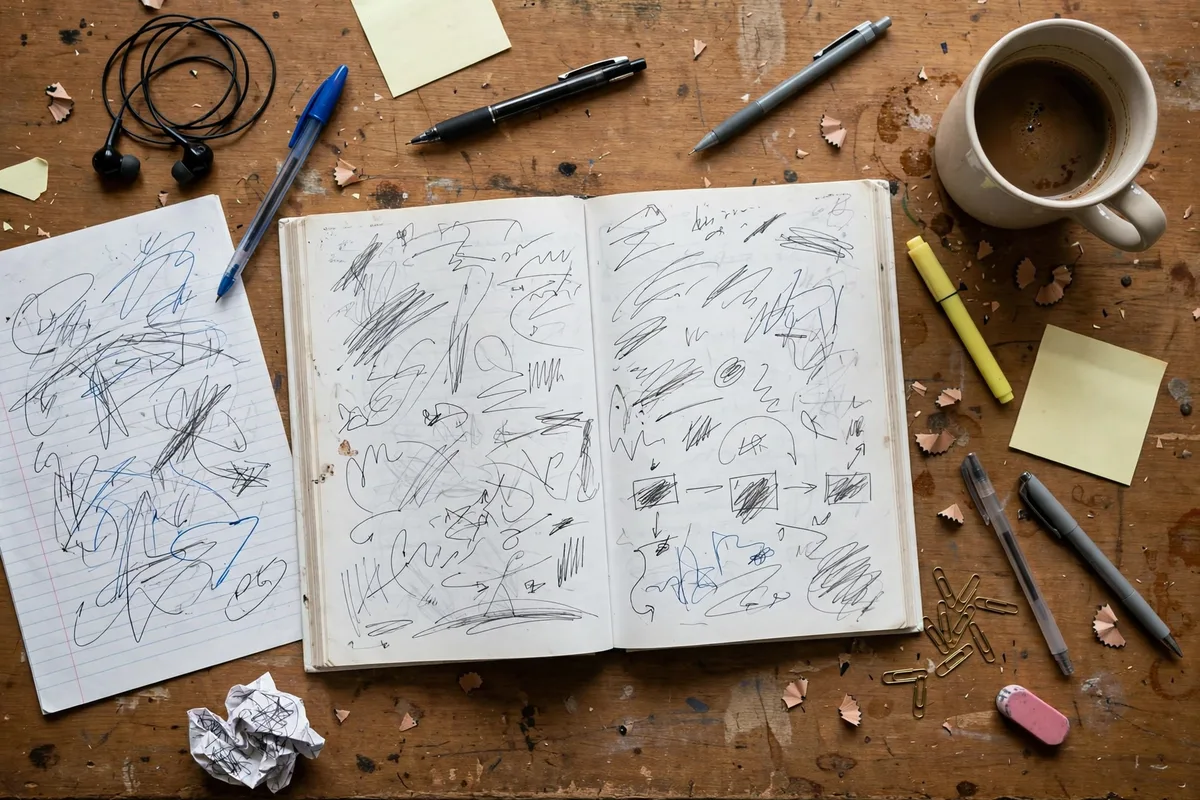
The easiest first study story is a photo of your desk before you open a single book. Perhaps it is a kitchen table cleared of breakfast plates, a corner of a shared room, a library desk with a window beside it, or a bed with a notebook balanced on a pillow. Photograph it honestly, clutter included, and add a plain line such as, "Cleared a corner, made tea, and now I am starting chapter three." Viewers recognise real study spaces far more than staged ones, and telling people you are starting makes sitting down feel a little easier.
2. Post the one page you are working on today
Instead of photographing a whole textbook, choose the single page you are actually studying. It might be a page of vocabulary with three words circled, a worked maths example with your own notes in the margin, or a diagram you have redrawn twice because the first version confused you. Caption it simply: "Today is this page and nothing else. Slow, but it is sinking in." A single page keeps your goal believable and focused. Over time, these stories become a visible record of how far you have travelled through a subject.
3. Share the first thing you learned in this session

A beginner story becomes memorable when it names one concrete thing you learned. Perhaps you finally understood why a particular grammar rule works, remembered the difference between two similar terms, or solved a problem type that defeated you last week. Write it in your own words, for example: "I kept mixing up these two words until I made up a silly sentence to tell them apart, and now I cannot forget it." Teaching a tiny idea back proves you understood it well enough to explain it, and invites helpful replies, since people love adding their own memory tricks.
4. Capture your study break, not just your studying
Study stories that only show open books can feel stiff, and beginners often run out of things to post. A break frame solves that. Photograph your tea going cold beside your notes, a short walk around the block between chapters, a snack eaten at the window, or the stretch you do after an hour at a desk. Caption it honestly: "Forty minutes in, ten minutes out. My brain needed the walk more than another page." Break stories are relatable because everyone who studies knows the tired moment, and they model a healthy rhythm.
5. Show your to-do list with one item crossed off
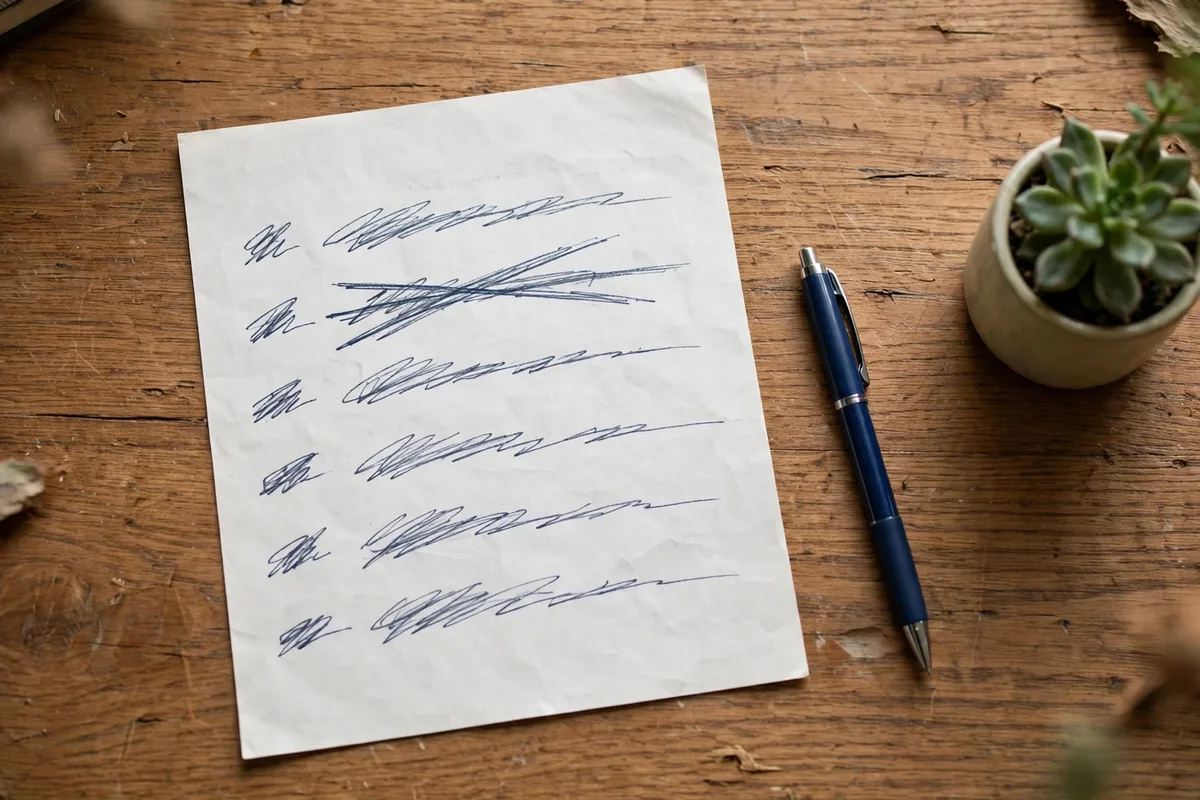
A short to-do list makes a wonderful beginner story because it turns a vague plan into visible progress. Write three or four small tasks, such as reading ten pages, finishing five practice questions, or reviewing yesterday's notes, and photograph the list once you have crossed off the first item. Caption it: "One down, three to go. The crossed-out line is the best part." Small lists beat ambitious ones, because finishing builds confidence while an impossible list only builds guilt. Viewers often reply with their own lists, and that shared accountability is a kind gift of study stories.
6. End the session with an honest closing frame
A closing story gives your study session a clear ending and gives you something to look back on. Photograph your closed book, your notebook with the final line of the day, or your desk as you tidy it for tomorrow. Add a note such as, "Closed the book on chapter three. Tomorrow I start the practice questions, and I am a little nervous about them." Honest closings include feelings, not just output. Some days you will finish everything, and some days you will not, and saying so plainly makes your stories trustworthy.
Posting checklist
- Pick one scene, one photo or short clip you took yourself, and one short caption.
- Share only your own notes, books, and workspace, never anyone else's work.
- Name one concrete thing you studied, learned, or finished in this session.
- Keep text large, clear, and easy to read on a small screen.
- Be honest about progress, including days when less got done than planned.
Frequently asked questions
What should my very first study story be?
Start with your desk before you begin, or the single page you plan to study. Both are easy to photograph, need no special setup, and give viewers a clear, honest opening.
Do I need a beautiful desk to post study stories?
No. A kitchen table, a library desk, or a corner of a shared room all work well. Viewers respond to real study spaces and honest captions far more than staged perfection.
How many study stories should a beginner post in one session?
Three or four frames is plenty: a starting desk, one page or idea, a break, and a closing note. Short sequences are easier to make and easier for viewers to enjoy.
What if I feel shy about sharing my studying?
Share your notes, books, and workspace rather than yourself, and keep captions simple. Your learning is the story, and it never needs a perfect photo to be worth posting.
Closing
Study stories for beginners work best when small, honest, and close to what you actually did. Show your desk as it is, focus on one page, name one thing you learned, take a real break, cross off one small task, and close the session honestly. Your next study session already holds everything you need for your first story.
Related posts
- Study Stories for small accounts – ideas and examples you can post today
- Study Stories you can post today – ideas and examples you can post today