Creator Stories for musicians – ideas and examples you can post today
Introduction
Musician stories work best when viewers hear the work in progress, not just the finished track. A scale practised badly, a lyric rewritten three times, or a new chord that finally rings clean tells a story that a polished performance cannot. Viewers follow musicians because they want to feel close to how songs are made, note by note.
This post gives you ideas you can post today, using only your own playing, singing, writing, and words. Every idea uses short clips you can film in one room, with no need for a studio or a band. Start with whatever you practised today, even if it lasted only fifteen minutes.
1. Film fifteen minutes of real practice
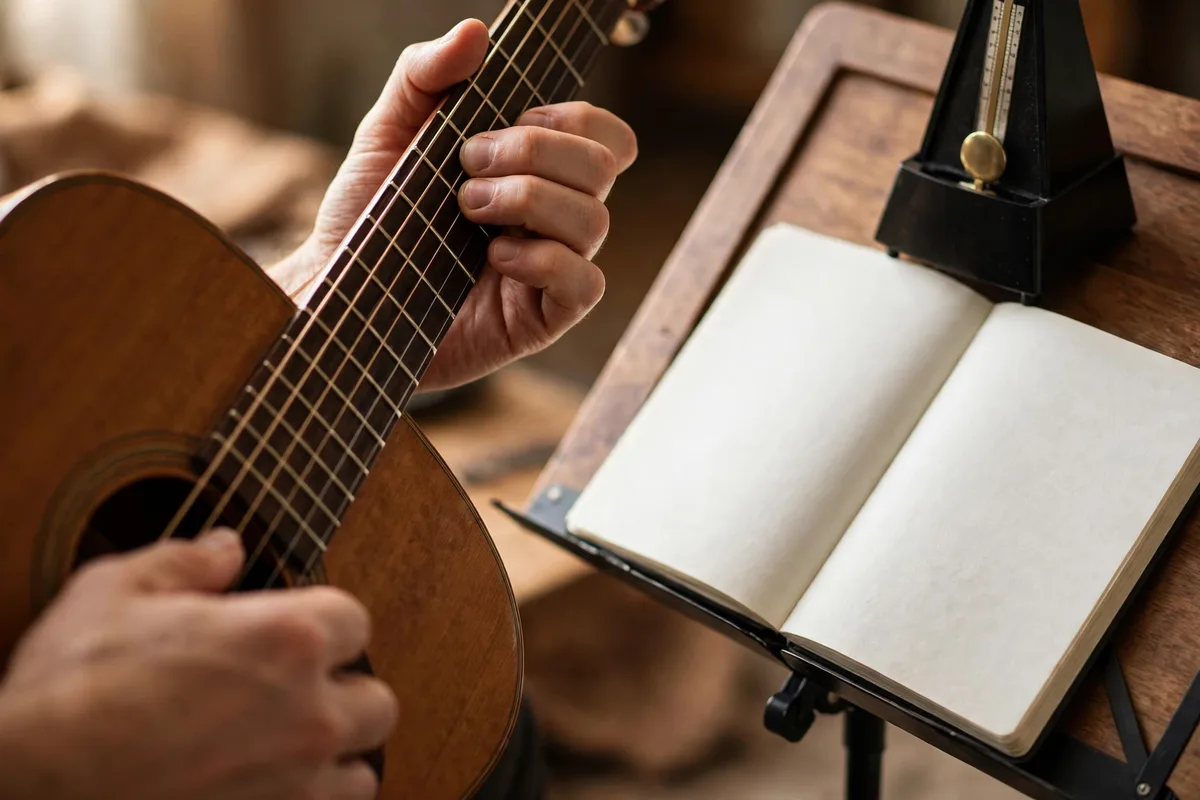
Practice stories are honest, useful, and easy to repeat, because practice happens most days. Film your hands, your instrument, or your notebook, and keep the clip short: one exercise, one passage, or one tricky bar repeated slowly. Viewers learn by watching repetition, and they respect a musician who shows the unglamorous work behind a smooth performance.
Example: a guitarist might film a chord change practised slowly, then at normal speed, with a caption noting which finger kept landing late. A singer might film a warm-up scale, noting the note that still feels tight. Keep the sound natural, without heavy effects, so viewers hear what you actually sound like today.
2. Show a lyric or melody being rewritten
Songs rarely arrive finished, and the rewriting is often more interesting than the first draft. Show a notebook page with crossings-out, a melody hummed two different ways, or a chorus tried in a major key and then a minor one. This gives viewers a sense of ownership over the song, because they watched it change, and it gives you honest feedback before the song is set.
Example: a songwriter might share two versions of one opening line, asking which image feels stronger, while keeping the rest of the song private. A composer might play the same four bars with two different endings, and note which one they lean towards. Show only your own writing, and keep unfinished work clearly labelled as a draft.
3. Let viewers hear your room, not just your instrument
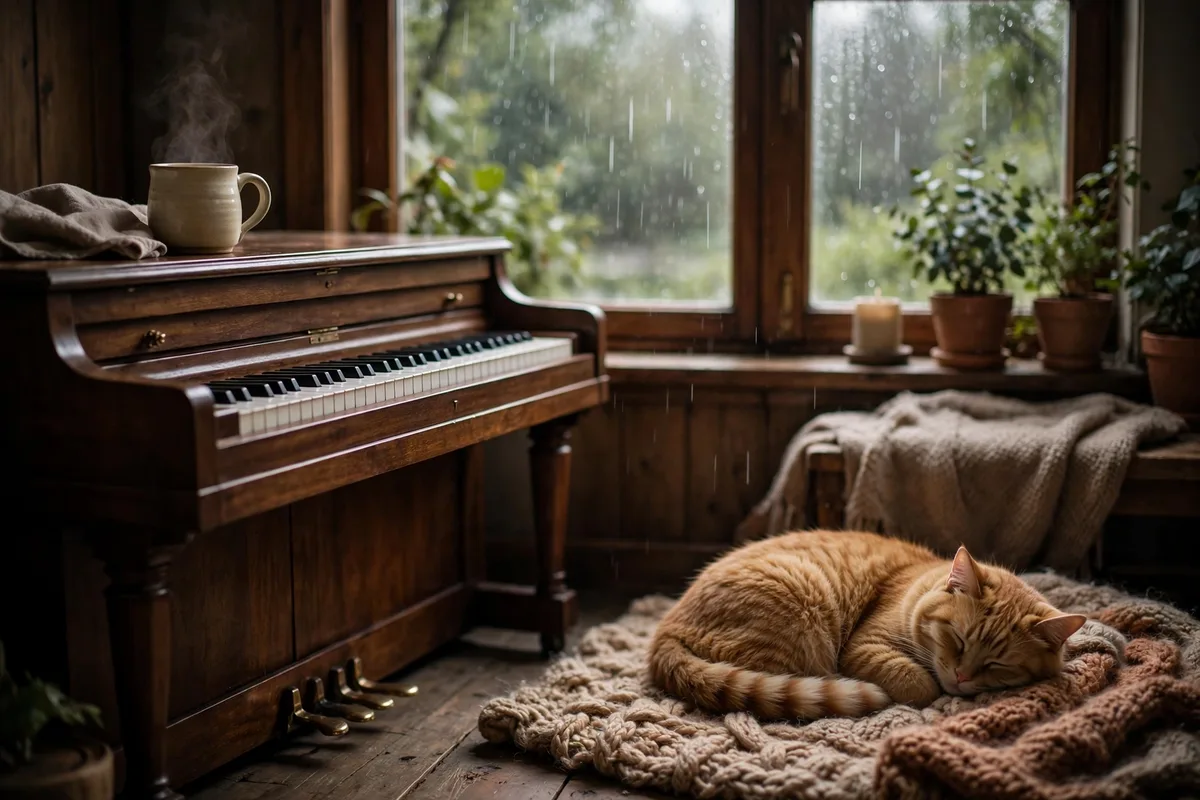
The sound of your room is part of your music: rain on a window, a creaking chair, a kettle in the next room, or traffic outside. A story that includes those sounds feels real and intimate, and it separates you from creators who only post studio-clean clips. Film where you actually play, and let one background sound stay in the recording instead of editing it out.
Example: a pianist in a small flat might film a gentle passage with evening light and distant street sounds, captioned about practising after work. A folk player might record on a porch, with birdsong behind a simple tune. These imperfect recordings often get the warmest replies, because viewers feel they are in the room with you.
4. Ask viewers to choose the next cover or original
A choice question gives viewers a stake in your next post, and it solves the hardest musician problem: what to play next. Offer two songs you already know well, or two directions for an original, and play the winner in your next story. Keep both options honest choices you would enjoy playing, so the result never feels like a chore.
Example: a singer might offer two songs from different decades and sing a line of each, asking viewers to pick tomorrow's full version. A producer might offer two beats at different tempos, playing eight bars of each. When you play the winner, mention the vote, and viewers will vote again because they hear their choice in your playing.
5. End with a tiny performance, flaws included
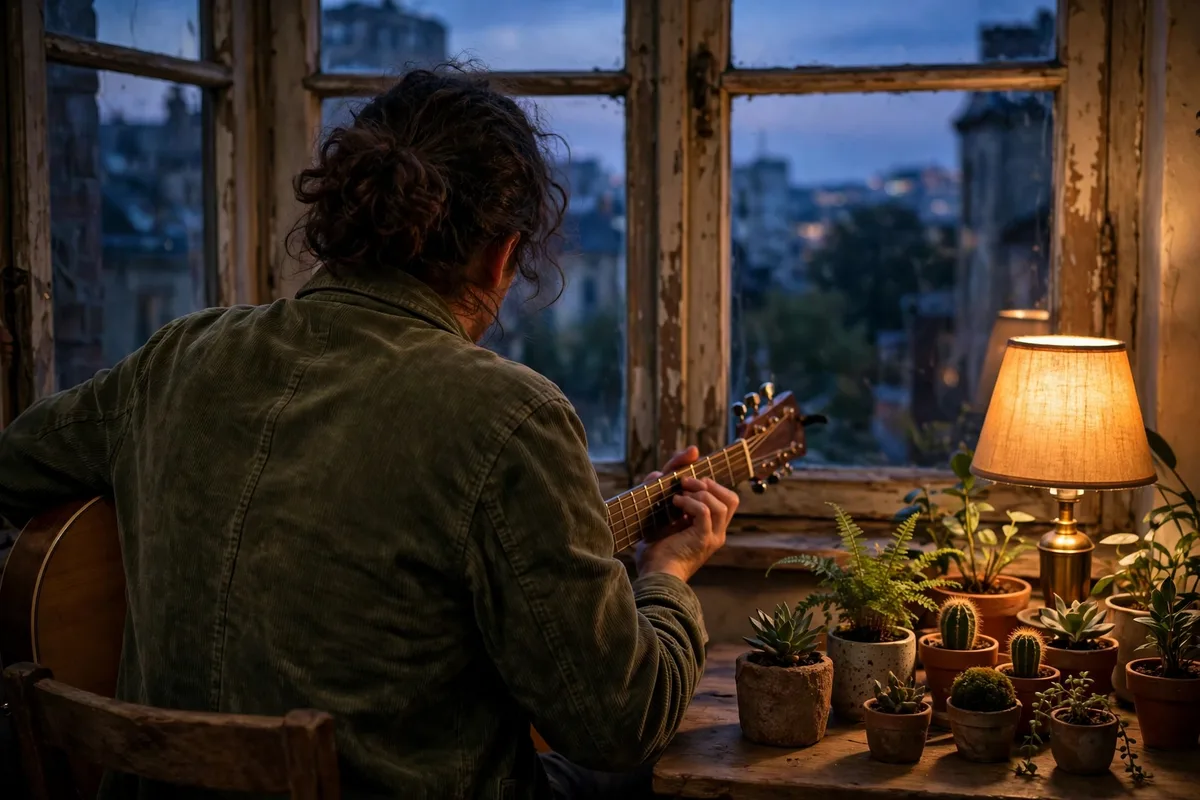
A closing story can be a complete miniature performance: one verse, one chorus, or one instrumental passage, filmed in a single take. Do not re-record until it is flawless. One small flaw, handled calmly and carried on through, proves you are a live musician rather than an edited product, and it makes the next performance something to look forward to.
Example: a violinist might play one folk tune straight through, smiling through a slightly sharp note and finishing cleanly. A singer-songwriter might perform a new chorus with guitar, noting afterwards which line still needs work. End with one line about what you practise tomorrow, and the story becomes part of a longer musical diary.
Posting checklist
- Choose one practice session, draft, or performance per story.
- Film your own playing, hands, instrument, or notebook in clear sound.
- Keep clips short, natural, and free of heavy effects or editing tricks.
- Show rewrites and flaws honestly, labelling unfinished work as a draft.
- Ask one small choice question when you want viewers to pick next.
- Check spelling, song titles, and any credits before you post.
- Save the draft and the replies, so songs grow visibly over weeks.
Frequently asked questions
Do musician stories need studio-quality sound?
No. Clear, natural phone audio in a quiet room suits story-length clips well. Viewers value hearing real practice and real rooms over polished production, especially for drafts and warm-ups.
Should I post unfinished songs?
Yes, if you label them as drafts and share only short sections. Unfinished songs invite useful feedback and build anticipation, while keeping the full song private until you choose to release it.
How do I handle negative comments about my playing?
Keep replies short and polite, and focus on viewers who engage constructively. You do not need to argue technique in stories; let the next practice clip answer more persuasively than any reply could.
What if I can only practise for a short time today?
Film the short session and say so. Fifteen honest minutes of scales or one rewritten lyric is a genuine musician story, and it encourages viewers with limited time of their own.
Closing
Creator stories for musicians work best when they stay close to the work: real practice, a song being rewritten, the sound of your room, a viewer choice, and a tiny one-take performance. Play, show the process, and let the songs grow in public, one story at a time.
Related posts
- Creator Stories for photographers – ideas and examples you can post today
- Creator Stories for gamers – ideas and examples you can post today