Creator Stories for food lovers – ideas and examples you can post today
Introduction
Food creators have the easiest subject in the world and the hardest competition, because everyone photographs dinner. What sets a creator story apart is not a fancier plate, but a clearer idea: one dish, one technique, one taste, or one mistake, told honestly. Viewers do not need another perfect meal. They need a reason to care about this one.
This post gives you ideas you can post today from your own kitchen, using only your own cooking, photos, and words. Every idea keeps the focus on food you actually made and tasted, with captions short enough to read while a pan is on the heat. Start with what is already in your fridge, and let that limit shape the story.
1. Film the cooking, not just the finished plate
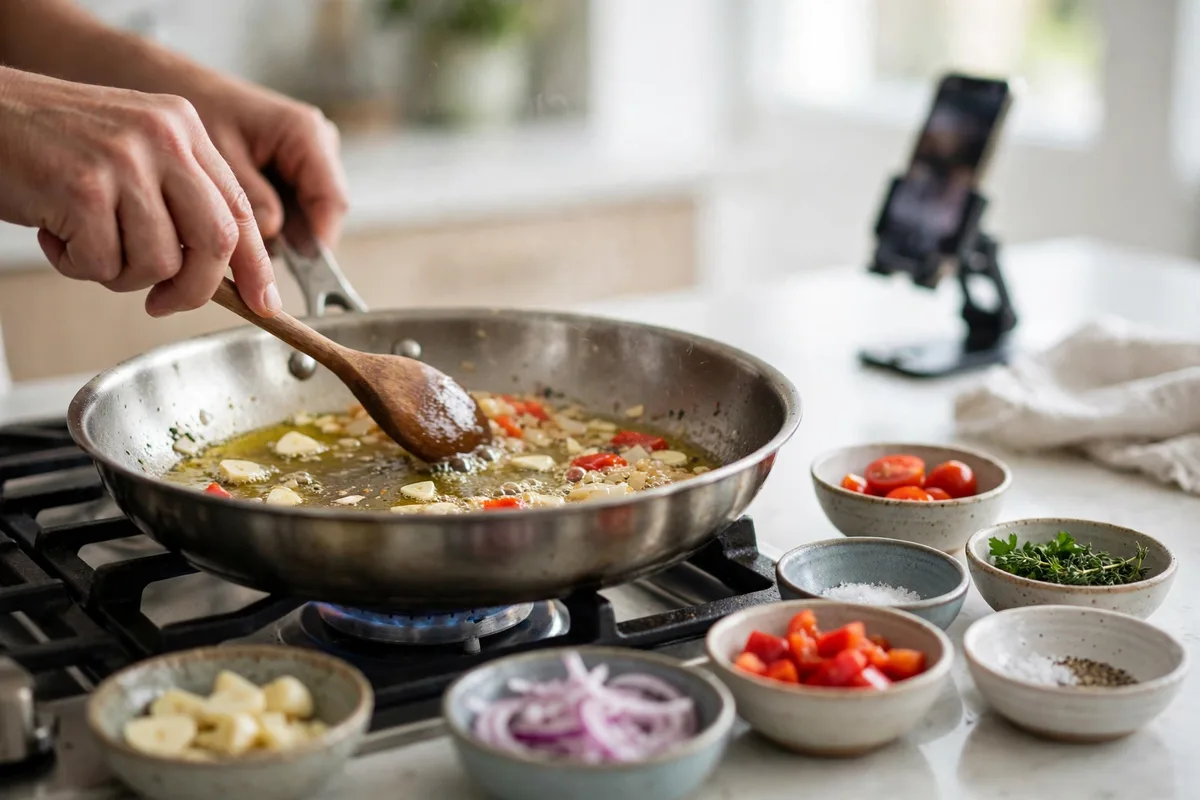
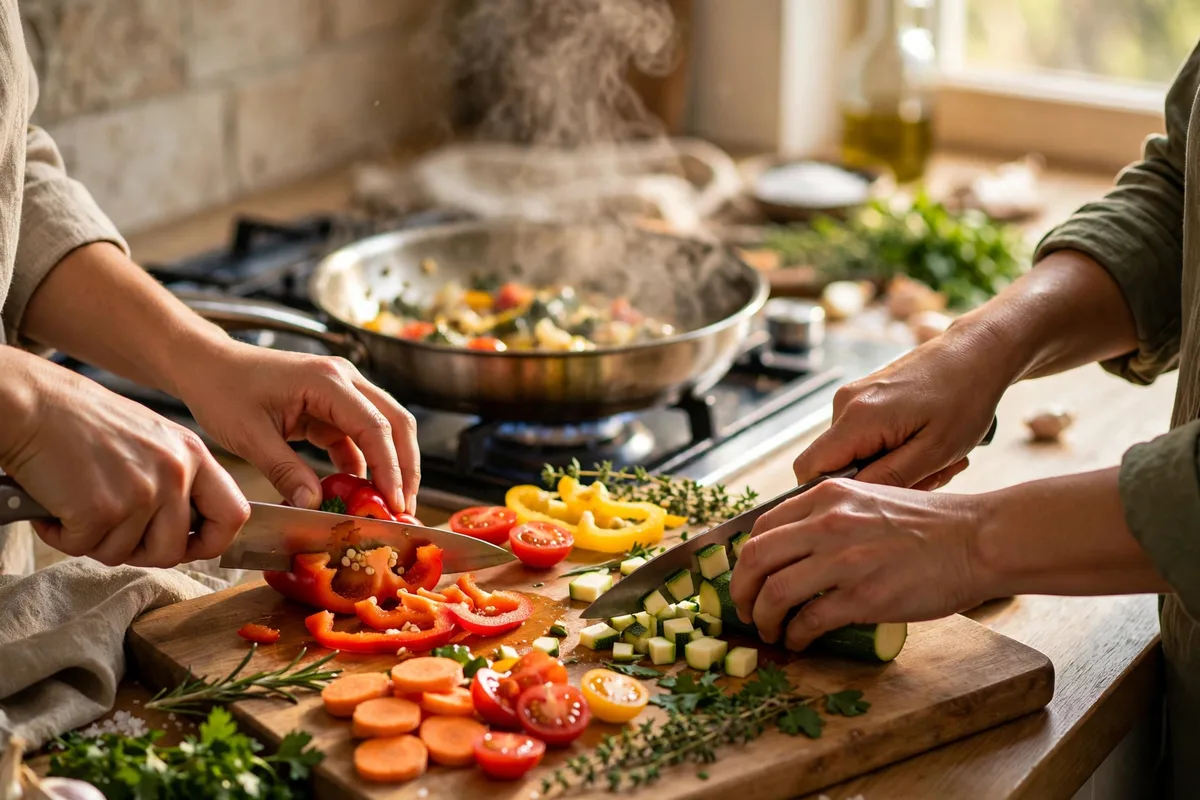
A finished plate is a result, but cooking is a story. Steam rising, onions softening, dough stretching, or a sauce thickening all hold attention far longer than a still photo of dinner. Film in short bursts while you cook, and keep your hands and the pan in frame. Viewers learn something, and they trust a creator who shows real heat and real timing.
Example: a home cook might film thirty seconds of garlic turning golden, with a caption warning that one minute more turns it bitter. A baker might show dough being folded, noting the dough felt tighter today because the kitchen was cool. These small process moments teach without lecturing, and they are easy to repeat every time you cook.
2. Build a story around one ingredient
One ingredient gives a story focus and gives viewers a reason to try it themselves. Choose something seasonal, something you grew, something new to you, or something you almost threw away. Show it raw, show it prepared, and show it in the finished dish, so viewers follow a tiny journey across three frames.
Example: a creator with a glut of courgettes might post them sliced, grated into fritters, and finally plated with herbs, with a caption about using the whole batch across two days. A creator trying a new spice might show the jar, the first pinch going in, and their honest reaction at tasting. One ingredient, three frames, one clear story.
3. Share the mistake before the fix

Food stories that only show success feel like adverts. Stories that show a mistake, then the fix, feel like a friend in the kitchen. A sauce that split, bread that refused to rise, or rice that stuck to the pan are all gifts, because every viewer who cooks has been there. Name what went wrong, show what you changed, and taste the result on camera.
Example: a creator whose cake sank in the middle might photograph the dip, explain the oven ran hot, and then show the same cake sliced and served as trifle layers. A creator whose soup tasted flat might add acid, salt, and herbs one at a time, tasting after each. The fix matters more than the failure, because it leaves viewers with a skill.
4. Ask viewers to finish the dish with you
Food is naturally interactive, because everyone has opinions about seasoning, toppings, and sides. Ask one small question while the dish is still cooking, and viewers can answer before it is served. This works best when both options are genuinely good, so the poll feels like a shared decision rather than a test with a right answer.
Example: a creator making soup might ask whether to finish it with cream or with chilli oil, showing both bottles. A creator topping a pizza might ask viewers to choose between mushrooms and peppers for the second half. Cook the winning version in your next story, taste it honestly, and credit the vote that chose it.
5. End with a recipe note viewers can actually use

A closing story should leave viewers with something they can cook, not just something they admired. Write the recipe as a short note: quantities for two people, one key timing, and one tip that is not obvious. Photograph your own handwritten note or a clean text frame, and keep it to what fits on one screen without scrolling.
Example: a creator who made a tomato sauce might list tomatoes, garlic, olive oil, and basil, with the tip to cook the garlic gently and never let it brown. A creator who baked flatbreads might note the dough rests for twenty minutes and the pan must be dry and hot. One usable note earns more saves than ten beautiful plates.
Posting checklist
- Choose one dish or one ingredient per story, not a whole menu.
- Film your own cooking in short bursts, with hands and pan in frame.
- Show raw, prepared, and finished stages when telling an ingredient story.
- Name mistakes honestly, then show the fix and the tasting.
- Ask one small finishing question while the dish is still cooking.
- Check quantities, timings, and spelling before you post a recipe note.
- Save the recipe note, so followers can find and reuse it later.
Frequently asked questions
Do food stories need a beautiful kitchen?
No. A clean corner, good daylight, and a tidy work surface matter far more than a renovated kitchen. Viewers watch the food and your hands, not the cupboards behind you.
How long should a cooking story be?
Short. One idea per frame, and a process clip of under a minute, keeps attention while food is cooking. Save long explanations for a caption or a follow-up story the next day.
What if my dish does not look good?
Show it anyway, and say what happened. A sunken cake or a split sauce, followed by an honest fix, teaches more and earns more trust than a flawless plate that hides the work.
How do I write a recipe note that fits one story frame?
List quantities for two people, one key timing, and one non-obvious tip. If the recipe needs more detail, split it across two frames rather than shrinking the text until it is unreadable.
Closing
Creator stories for food lovers work best when they show real cooking: the process, one ingredient, an honest mistake, a viewer choice, and a usable recipe note. Cook what you already love, film what actually happens, and let the taste do the persuading.
Related posts
- Creator Stories for parents – ideas and examples you can post today
- Creator Stories for travellers – ideas and examples you can post today