Creator Stories for local businesses – ideas and examples you can post today
Introduction
Creators and local businesses make natural partners. A creator brings an audience and a way of telling stories, while a local business brings a real place, real products, and real people.
This post is about creator stories for local businesses, for stories you create yourself, on your own public profile, about businesses you have genuinely visited or worked with. The ground rule is honesty: show only what you actually experienced, say plainly when a visit was invited or gifted, and never invent praise you do not feel.
1. Start with a business you already know and like

The strongest local business stories come from places you already enjoy, not from a list of strangers. Start with a café where you work, a bookshop you browse, a repair shop that fixed something for you, or a market stall you return to weekly. Genuine familiarity shows in the details you notice, and viewers trust a recommendation rooted in real experience.
Example: a writer might feature the neighbourhood bookshop where she buys research books, showing the shelves she browses and the staff picks she trusts. A photographer might feature a framing shop that mounted his prints, showing the workshop and the finished frames. A food creator might feature a bakery whose bread she buys every Saturday, showing the morning bake. Familiarity is what makes the story believable.
2. Show the place, the people, and the process
A local business story should feel like a short visit, not an advertisement. Show the front of the shop, the interior, the products being made, and the people at work, with their permission. Process shots are especially valuable: dough being shaped, shelves being stocked, a repair under way, or a display being arranged. Viewers want to picture themselves there.
Example: a craft creator visiting a pottery studio might show clay being wedged, wheels turning, and shelves of glazed pieces awaiting collection. A gardening creator visiting a nursery might show seedlings being potted and staff advising a customer on soil. Ask permission before filming anyone, and respect a refusal gracefully.
3. Give viewers practical details they can use

A beautiful story without practical detail leaves viewers inspired but stuck. Add the facts that turn interest into a visit: the general area, the kind of products or services offered, opening days, and what to ask for or try first. Keep details accurate, and check them with the business before posting, since hours and offerings change.
Example: a travel creator featuring a family-run guesthouse might note the area, the style of rooms, and the breakfast to try. A fitness creator featuring a climbing gym might note the beginner sessions and the gear available for hire. A study creator featuring a quiet library café might note the study-friendly hours and the seating layout.
4. Be clear about the nature of the collaboration
Trust depends on transparency. If a business invited you, offered a free product, or paid for the feature, say so plainly in the story itself, in words viewers cannot miss. If you visited independently and paid your own way, you can say that too. Clear disclosure protects your credibility, and it protects the business from suspicion that praise was bought quietly.
Example: a beauty creator might open with, "I was invited to try this salon, and I paid for nothing today, so here is what I honestly thought." A food creator who paid for her own meal might note, "I came here on my own and paid like any customer." Either statement is fine. What matters is that viewers know which one applies, without having to guess.
5. Follow up after the feature, not just during it
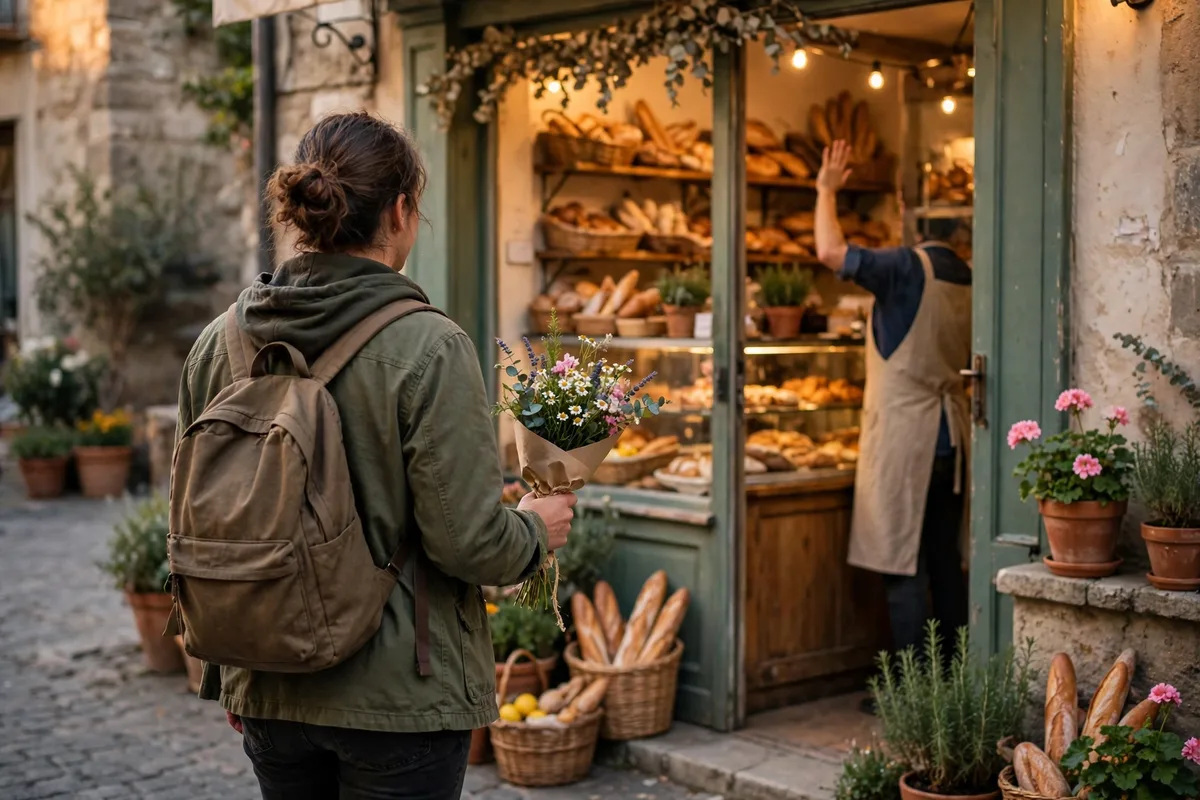
A local business story does not end when you post it. Share how viewers responded, return to the business later, and note what changed: a new product, a busier weekend, or a question viewers kept asking. Follow-up stories show that the relationship was real rather than transactional, and they give the business a second wave of attention.
Example: a creator who featured a cheese stall might return a month later to show a new seasonal cheese and thank viewers who visited. A creator who featured a bookshop might share which recommended title sold out, with the shop's permission. A creator who featured a tailor might show a finished garment made after the first story aired.
Posting checklist
- Feature businesses you have genuinely visited and honestly like.
- Get permission before filming staff, customers, or private areas.
- Show the place, the people, and the process, not just the product.
- Give practical details: area, offerings, and what to try first.
- Disclose invitations, gifts, or payment plainly in the story.
- Use your own photos, clips, and words throughout.
- Check hours, names, and details with the business first.
- Follow up later with a return visit or viewer response.
Frequently asked questions
Do I need permission to feature a local business?
Yes, always ask the business first, and ask individuals before filming them. Permission protects everyone, and most businesses welcome a thoughtful feature. If a business declines, respect that and choose another story.
Should I only feature businesses that pay me?
No. Some of the most trusted local business stories are unpaid visits to places you genuinely like. Paid features are fine when disclosed, but unpaid honesty is what builds the trust that makes paid features credible later.
How do I disclose a gifted visit?
Say it plainly in the story, such as, "I was invited and did not pay today." Place the disclosure where viewers will actually see it, not buried in small text at the end. Plain language beats legal-sounding wording.
What if my honest experience was mixed?
Be fair and specific. Mention what worked well and what did not, without exaggeration in either direction. If the experience was poor overall, consider whether the story serves viewers, and discuss concerns with the business privately first.
Closing
Creator stories for local businesses work when they are honest, practical, and respectful. Feature places you genuinely know, show the place and the process, give details viewers can use, disclose collaborations plainly, and follow up afterwards.
Related posts
- Creator Stories for seasonal content – ideas and examples you can post today
- Creator Stories for creators – ideas and examples you can post today