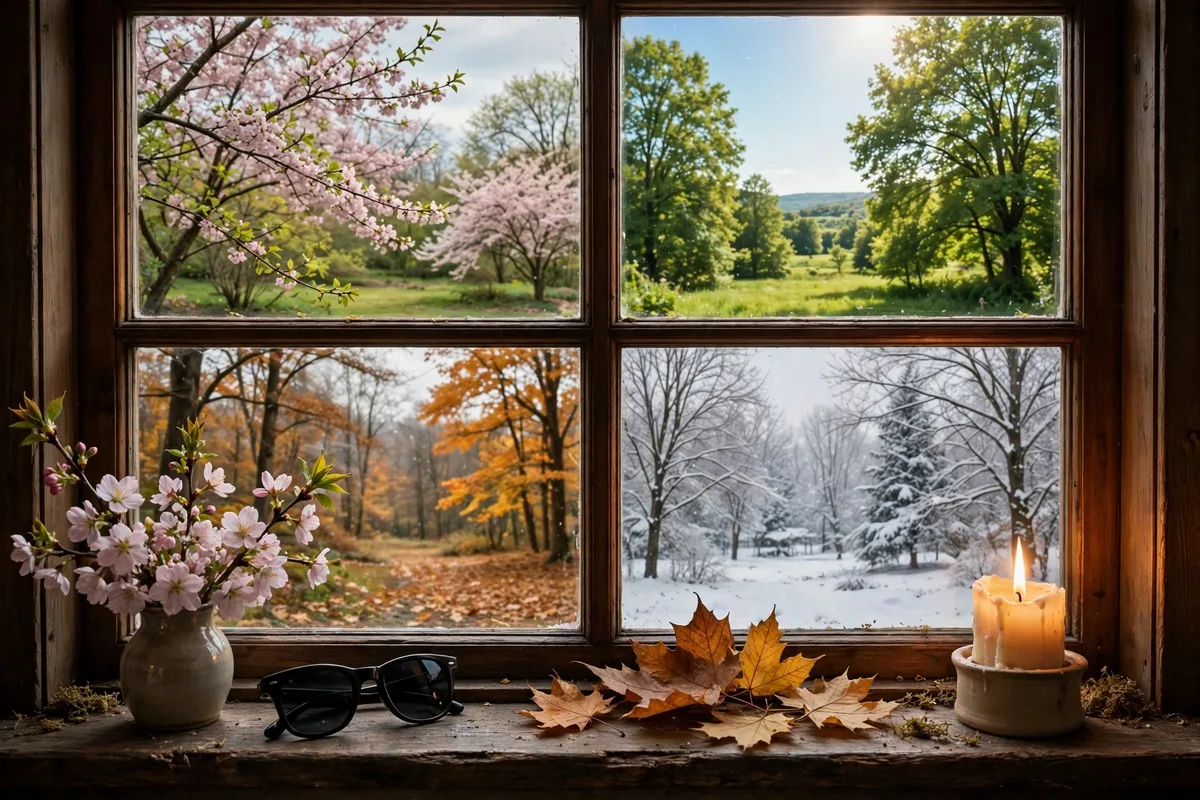
Creator Stories for seasonal content – ideas and examples you can post today
Introduction
Seasonal stories let a creator speak to what viewers are already living through: a change in weather, a holiday, a school term, or a harvest. When your story matches the season outside the viewer's window, it feels timely without any effort to manufacture relevance. The season supplies the context, and your craft supplies the angle.
This post is about creator stories for seasonal content, for stories you create yourself, on your own public profile, about your own work. The trick is to plan a little ahead, so seasonal stories feel prepared rather than rushed, and to keep them rooted in your own niche rather than chasing every occasion on the calendar.
1. Plan one seasonal angle per season, not one per holiday

Trying to cover every holiday exhausts creators and confuses audiences. Instead, choose one strong angle for each season that fits your niche, and build a short series around it. A single well-made series beats a scatter of one-off holiday posts that have nothing to do with your usual work.
Example: a home cook might build an autumn series on slow-cooked soups, with one new soup each week. A fitness creator might build a summer series on outdoor movement, using parks and open spaces. A gardener might build a spring series on seed starting, following the same seedlings from tray to bed. One seasonal thread, followed properly, gives viewers a reason to return each week.
2. Show the season through your own work and surroundings
Seasonal stories feel genuine when they show real seasonal detail: light, ingredients, clothing, landscapes, or tools that change with the time of year. Film or photograph in your actual surroundings rather than relying on generic decoration. Viewers recognise honest seasonal detail, and it grounds your story in a real place and time.
Example: a painter might show how winter light changes the colours of a familiar street scene. A baker might show autumn fruit arriving at a local market and becoming a tart the same day. A photographer might show the same riverside path in summer green and autumn gold. Real seasonal detail beats stock-style decoration every time.
3. Revisit a seasonal favourite with a new twist

Every creator has a seasonal piece viewers ask about year after year: a recipe, a routine, a tutorial, or a project. Bring it back, but change one thing: a new ingredient, a simpler method, a different setting, or a lesson learned since last year. A returning favourite rewards loyal viewers, while the twist gives new viewers a reason to watch.
Example: a knitting creator might revisit a winter hat pattern with a new stitch for the brim. A teacher might revisit a back-to-school study routine with a shorter version for busy weeks. A musician might revisit a seasonal song with a new arrangement for a different instrument. Familiar plus fresh is the most reliable seasonal formula.
4. Prepare seasonal stories before the season peaks
Seasonal content posted after the moment has passed feels stale, however good it is. Prepare the core stories a week or two before the season peaks, so they appear while viewers are still planning, cooking, training, or decorating. Early seasonal stories help viewers prepare, which makes them more useful than stories that arrive once everyone has finished.
Example: a craft creator might film gift-wrapping ideas before the busiest shopping weeks, not during them. A fitness creator might share cold-weather warm-up routines before the first frost, not after it. A cook might share preserving ideas while fruit is still plentiful, not once it has gone. A little advance planning turns a seasonal post from a comment into a guide.
5. Close each season with a short reflection

When a season ends, post one story looking back: what worked, what viewers liked most, and what you would change next year. A seasonal reflection closes the series neatly, thanks viewers who followed it, and gives you notes for next year. It also signals the shift into the next season, so your audience knows what to expect next.
Example: a gardener might close summer with the three crops that thrived and the one that failed. A writer might close a winter reading series with the book viewers recommended most. A photographer might close autumn with a favourite frame from each week of the series. Reflection turns a finished season into experience for the next one.
Posting checklist
- Choose one seasonal angle per season that fits your niche.
- Show real seasonal detail from your own surroundings and work.
- Revisit one seasonal favourite each year with a new twist.
- Prepare seasonal stories a week or two before the peak.
- Use your own photos, clips, and words throughout.
- Close each season with a short, honest reflection.
- Check dates, facts, and spellings before you post.
- Keep seasonal posts rooted in your niche, not every occasion.
Frequently asked questions
How far ahead should I plan seasonal stories?
A week or two ahead is enough for most creators. That gives time to film, edit, and check details, while keeping the story current. Larger projects, such as a series, benefit from a month of light planning.
What if my niche has no obvious seasonal angle?
Look at how your audience's life changes with the season: their schedule, energy, budget, or surroundings. A study creator can address exam seasons, a finance creator can address year-end planning, and a fitness creator can address weather changes. Every niche has a seasonal rhythm.
Should I post about every holiday in my season?
No. Choose the occasions that genuinely fit your work and your audience. Skipping a holiday that has nothing to do with your niche is better than forcing a post that feels unrelated.
Can I reuse last year's seasonal stories?
Yes, if you update them. Check facts, refresh photos, and add what you learned since. A revised seasonal post is honest and useful, while an unchanged repost can feel stale to returning viewers.
Closing
Creator stories for seasonal content work when they are planned ahead, rooted in your niche, and shown through real seasonal detail. Pick one angle per season, revisit favourites with a twist, prepare before the peak, and close with reflection. The seasons will keep returning, and each year your seasonal stories can grow stronger.
Related posts
- Creator Stories for throwbacks – ideas and examples you can post today
- Creator Stories for local businesses – ideas and examples you can post today