Creator Stories without showing your face – ideas and examples you can post today
Introduction
Not every creator wants to be on camera, and that preference deserves respect, not a workaround that pressures you to appear anyway. Some creators value privacy, some feel shy on video, some simply believe their work should speak first, and all of those reasons are valid. A story without your face is not a lesser story. In many crafts, it is actually the better story, because the viewer's attention stays exactly where it belongs: on the work itself, on the hands that made it, and on the world around it.
This post is about creator stories without showing your face, with ideas that keep you comfortably off camera while still feeling personal, warm, and recognisably yours. Every example below uses your own work, your own hands, your own voice if you choose to use it, and your own words. Privacy and personality can coexist, and these ideas show how, without ever asking you to compromise a boundary you set for good reasons.
1. Let your hands do the talking

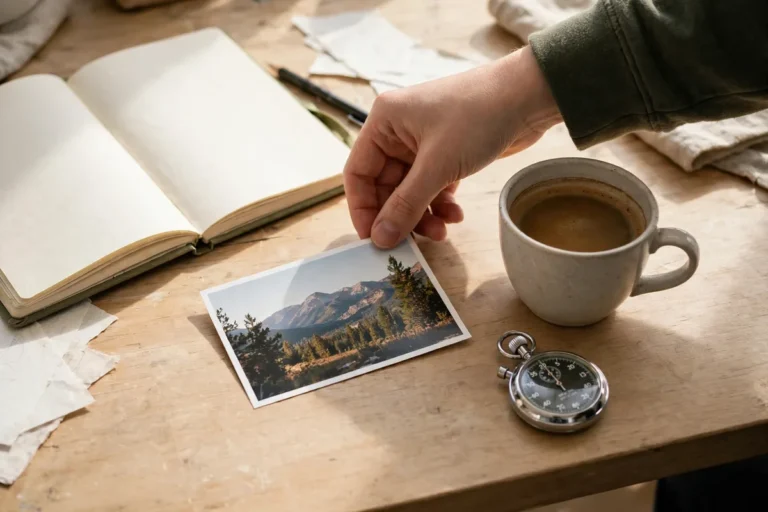
Hands tell a story without a face. They knead, sketch, tune, plant, stitch, sand, and stir, and viewers find hand-focused footage strangely calming and satisfying to watch. Filming from above, with the phone propped on a shelf or a stack of books, gives a clear view of the work while keeping you entirely out of frame. The trick is steady light and a clean background, so the hands and the materials become the stars. For example, a creator who makes jewellery might film hands threading small beads onto wire, the colours gradually forming a pattern, with a short caption like, "Slow work today, one bead at a time." Keep clips short, keep your hands relaxed, and let small imperfections stay visible.
2. Film the work from its own point of view
A first-person view places the viewer inside the craft, as if they were holding the tool themselves. You can achieve it simply by holding the phone in one hand while you work with the other, or by clipping the phone to a shelf facing your workspace. The resulting footage feels immersive and intimate, without ever revealing who is behind the camera. For example, a creator who builds model landscapes might film a slow pass over tiny hills, trees, and a painted river, as if the viewer were walking through the miniature world. Add one sentence about what the scene is, and let the details do the rest.
3. Use text, drawings, and objects as your narrator

When you do not appear on camera, your words and objects can carry your personality instead. A handwritten note, a sketch with arrows and jokes in the margins, a collection of meaningful objects arranged on a table, or a short typed caption in your unmistakable voice all tell viewers who you are. The key is consistency: the same handwriting, the same humour, the same colour of pen, week after week, becomes as recognisable as a face. For example, a creator who writes about history might photograph a desk arranged with an old map, a magnifying glass, and a notebook page headed with a question, captioned, "Today's mystery is why this road bends for no visible reason." Viewers meet a curious mind, not a face, and they return for the next mystery.
4. Record your voice over the work, if you are comfortable
Voice is a middle path between full appearance and total silence, and many faceless creators find it the perfect balance. A short voiceover explaining what you are doing, why you chose a material, or what went wrong adds warmth and expertise without revealing your appearance. If even your voice feels too personal, you can skip it entirely and let captions and natural sounds carry the story. Both choices are fine, and you can change your mind later. For example, a creator who cooks might film a pan sizzling while a calm voice explains, "I am adding the spices now, off the heat, so they bloom without burning." Record somewhere quiet, speak slowly and close to the phone, and keep the voiceover to two or three short sentences.
5. Build a recognisable world around the work
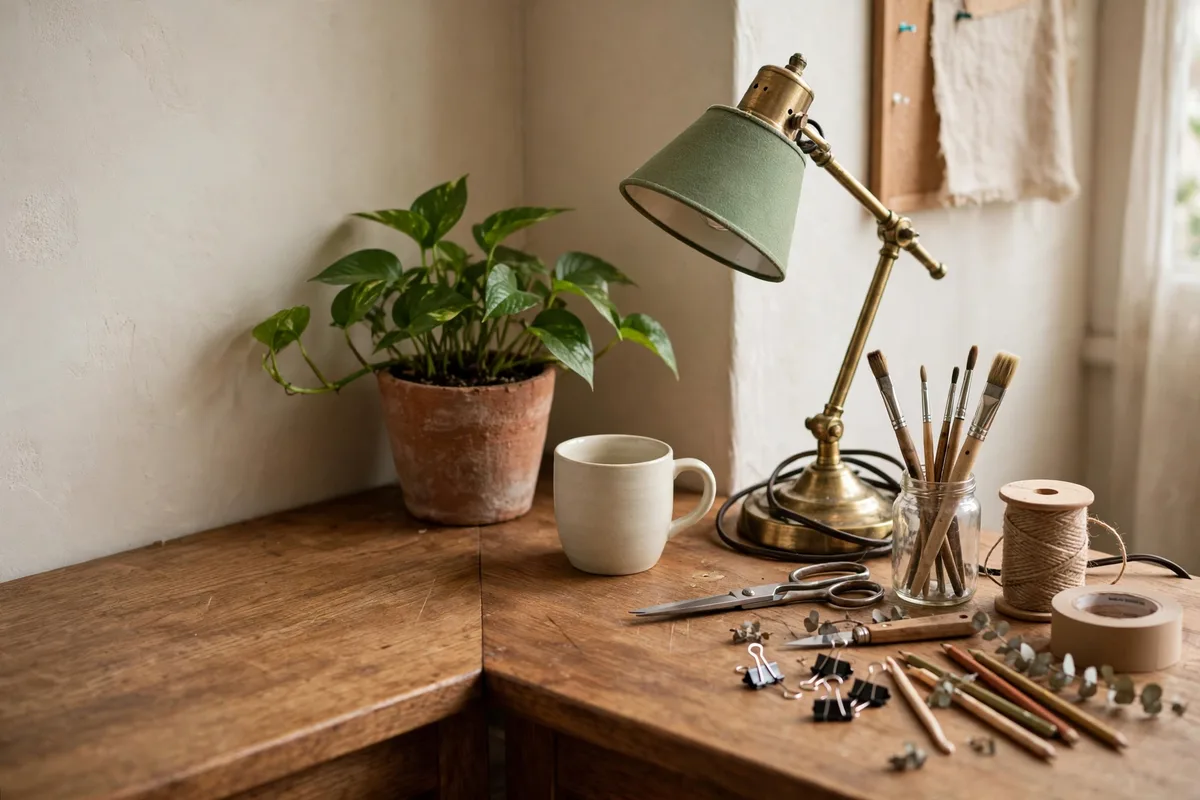
When your face is absent, your setting becomes your signature. The same table, the same mug, the same plant in the corner, the same quality of morning light: these repeated details teach viewers to recognise your stories instantly, even without seeing you. Over time, followers develop affection for the world you film in, and they notice when a familiar object moves or a new tool appears. For example, a creator who photographs birds might always film from the same window ledge, with the same notebook and the same battered field guide visible at the edge of the frame, captioned with the morning's sightings.
Posting checklist
- Keep your face out of frame, including reflections and shadows.
- Use your own hands, workspace, objects, or voice as the focus.
- Film in steady, natural light with a tidy background.
- Check the frame for private details before posting.
- Write captions in your own voice, short and readable.
- Keep clips under twenty seconds unless the process needs more.
- Repeat one recognisable setting or detail across stories.
Frequently asked questions
Can a faceless creator account still grow?
Yes. Many successful creators build audiences around their work, their voice, their humour, or their world rather than their appearance.
Will followers trust a creator they never see?
Trust comes from consistency, honesty, and useful work far more than from a face.
Should I ever explain why I do not show my face?
Only if you want to. A brief, calm note like preferring to let the work speak is enough for most audiences, and most viewers accept it without further questions.
What if my face appears by accident in a reflection?
Check mirrors, windows, and shiny surfaces before posting, and crop or refilm if needed.
Closing
Creator stories without showing your face work best when the work, the hands, the voice, and the world around them carry your personality. Film the process, narrate with objects and words, and build a setting viewers learn to recognise and love.
Related posts
- Creator Stories for weekends – ideas and examples you can post today
- Creator Stories for busy days – ideas and examples you can post today