Creator Stories for photographers – ideas and examples you can post today
Introduction
Photography stories should do what a single photograph cannot: show how the photograph was found, framed, and finished. Viewers love seeing a photographer walk, wait, crouch, and try again, because those moments explain why one frame works while ten others did not. A behind-the-lens story turns a good image into a lesson.
This post gives you ideas you can post today, using only your own photographs, shoots, and words. Every idea works with a phone or a camera, in a street, a park, or your own home. Start with one shoot, one subject, or one image you made today, and build the story around how it happened.
1. Show the scene before the photograph

The most useful photography story starts before the shutter clicks: the messy street, the flat light, or the cluttered room you had to work around. Show that wide view first, then the finished photograph, so viewers see the choices you made. This contrast teaches composition faster than any lecture, because the improvement is visible in two frames.
Example: a street photographer might show a busy corner, then the tight crop that removed a sign and a parked car, leaving one walker in clean light. A home photographer might show a cluttered table, then the same table shot from above with props moved aside. Name the one change that mattered most, such as stepping closer or waiting for shade.
2. Break one edit into before and after
Editing stories are popular because they demystify the final image. Pick one photograph and show three stages: straight from camera, after a basic tidy-up, and after your final colour or crop choice. Keep each stage honest, and explain one slider or choice per frame in plain words, so viewers can try it themselves.
Example: a landscape photographer might show a grey morning shot, then a version with straightened horizon and lifted shadows, then a final version with warmer light. A portrait photographer might show a raw frame, a cropped version, and a gently retouched final image. Avoid heavy manipulation that changes the scene, and say plainly what you changed.
3. Share the shot that did not work
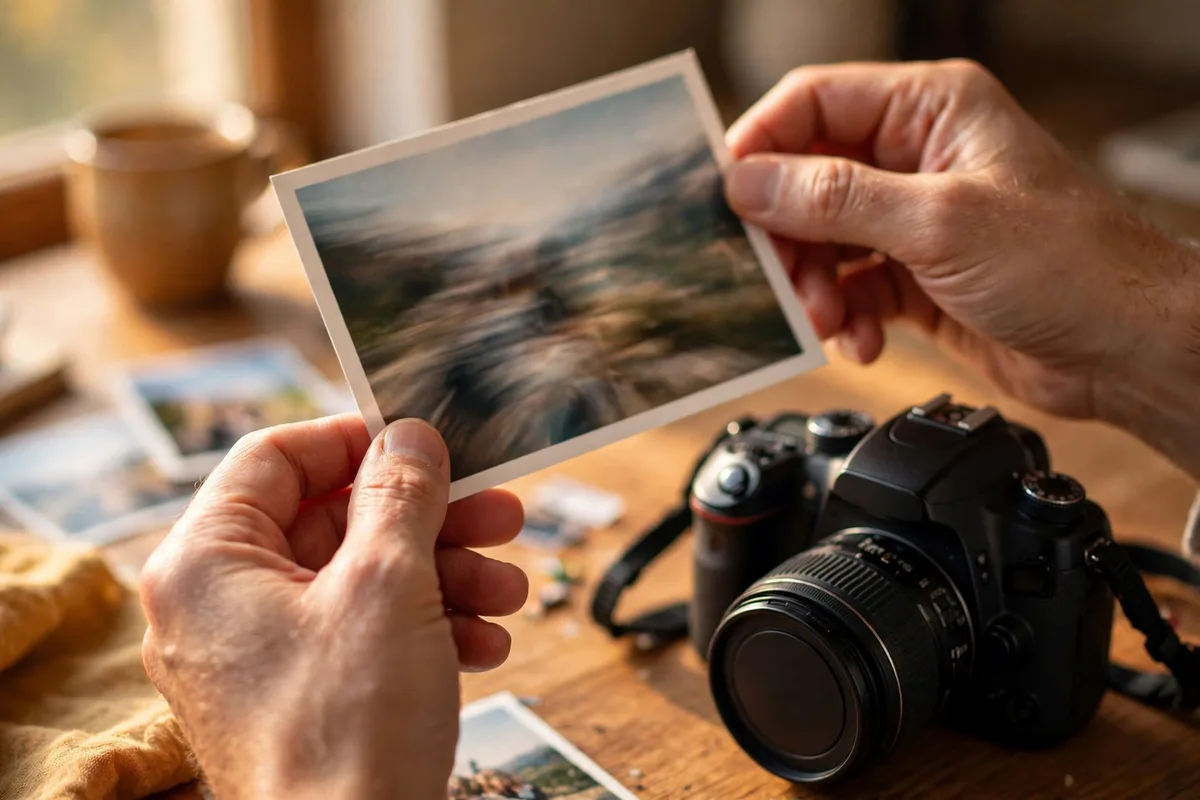
Failed frames teach more than perfect ones, because they show the decisions every photographer faces. Share a blurred frame, a badly timed moment, or a composition that looked promising and fell flat, and explain what you learned. Viewers trust photographers who show misses, and beginners learn that professionals discard most of what they shoot.
Example: a wildlife photographer might share a blurred bird taking off, noting the shutter speed was too slow and the focus missed. A portrait photographer might share a frame where the subject blinked, noting they now shoot three frames for every pose. Keep the tone light, and end with the keeper frame that came from the same session.
4. Ask viewers to pick the keeper
Choosing between similar frames is a real photographer's problem, and it makes a perfect story question. Show two or three near-identical frames and ask viewers to choose their favourite, with one line about what differs: light, expression, crop, or background. This invites genuine opinions, not just praise, and it trains your eye to see what others notice first.
Example: a photographer might show two versions of a market stall, one in warm evening light and one in cooler shade, asking which mood suits the scene. A portrait photographer might show two expressions from the same sitting, asking which feels more natural. Post the winner as a full story the next day, and explain whether you agreed.
5. End with a one-frame assignment for viewers
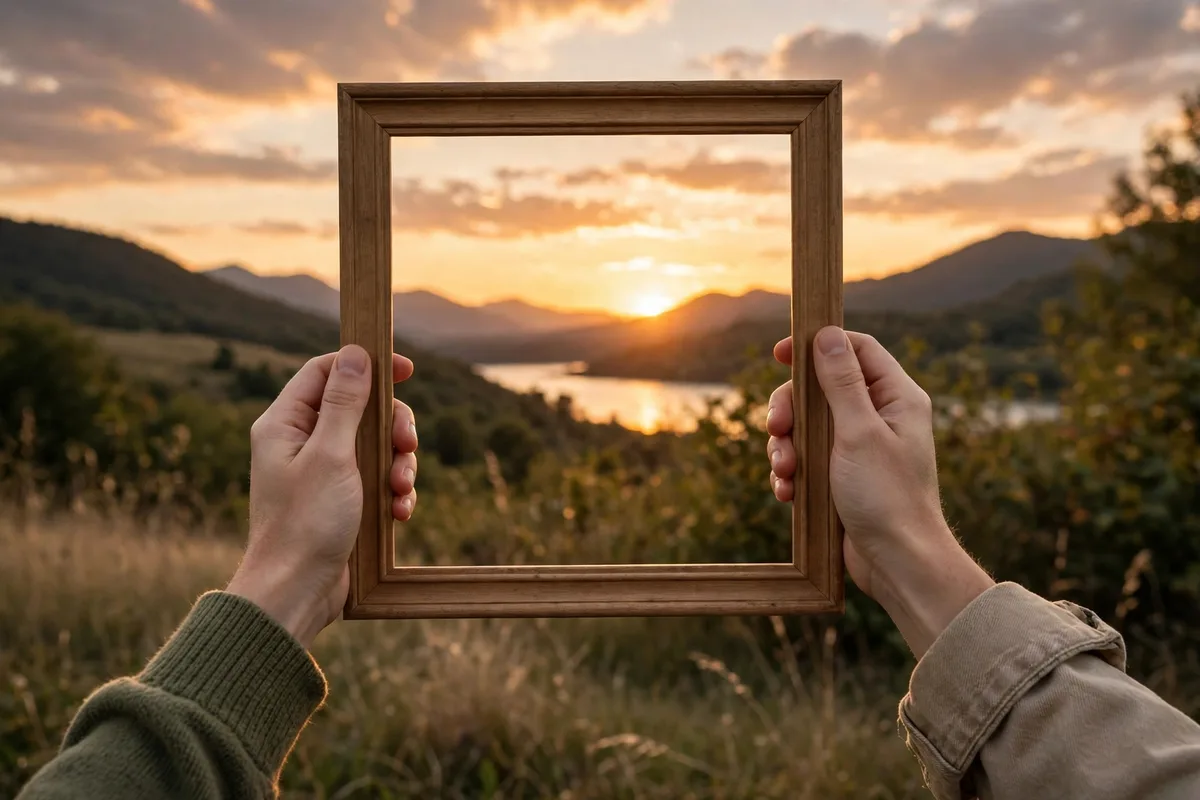
A closing story that sets a tiny assignment turns watchers into photographers. Choose one simple brief: shadows at noon, one colour on a walk, reflections in windows, or hands at work. Show your own attempt first, keep the rules to one sentence, and invite viewers to share their attempt in replies. The assignment gives your next story ready-made material.
Example: a photographer might post their own shadow photograph taken at midday, with the brief to find one strong shadow before evening. A still-life photographer might post a single-colour kitchen study, inviting viewers to photograph one colour in their own home. Repost a few viewer attempts, with credit in your own words, and the series grows by itself.
Posting checklist
- Choose one shoot, subject, or image per story, not a whole portfolio.
- Show the scene before the photograph, so choices are visible.
- Break one edit into honest before-and-after stages, one choice per frame.
- Share one failed frame, and say what you learned from it.
- Ask viewers to pick between two or three similar frames.
- Check spelling, locations, and any permissions before you post.
- Save the keeper and the replies, so assignments build into a series.
Frequently asked questions
Do photography stories need an expensive camera?
No. A phone teaches framing, light, and timing just as well as a larger camera. Viewers care about the choices you show, not the brand in your hands, and many strong stories are shot entirely on a phone.
How much editing should I show?
Show enough that viewers understand the change, and no more. Basic crops, straightening, and gentle light or colour adjustments are easy to explain honestly, while heavy manipulation should be named plainly if you use it.
What if I have no new shoot today?
Revisit an old shoot and tell its story: show the scene, the misses, and the edit. Archive stories are just as useful as fresh ones, because the decisions behind an image do not expire.
Should I photograph strangers for story content?
Photograph public scenes respectfully, and avoid close, identifiable portraits without agreement. When in doubt, focus on places, objects, light, and your own process rather than on individuals.
Closing
Creator stories for photographers work best when they reveal the work behind the image: the scene before, one honest edit, a failed frame, a viewer-picked keeper, and a tiny assignment. Show how you see, not just what you saw, and viewers will start seeing that way too.
Related posts
- Creator Stories for musicians – ideas and examples you can post today
- Creator Stories for gamers – ideas and examples you can post today