Creator Stories for quiet days – ideas and examples you can post today
Introduction
Quiet days are not empty days for a creator. They are the days when slow work happens: a draft revised, a sketch finished gently, a room tidied, or a skill practised without an audience in mind. Stories from quiet days feel different because they are unhurried, and viewers who are tired of noise will stay longer with a calm frame.
This post gives you ideas you can post today, using only your own slow work, spaces, and words. Every idea keeps the pace gentle and the message simple. You do not need an event, a launch, or a crowd. One quiet hour, noticed properly, is enough material for a whole story.
1. Show slow work in real time

Slow work makes a compelling story precisely because it refuses to rush. Film a hand lettering one line, a plant being watered, dough resting, or a drawing shaded gradually, and let the clip run a little longer than usual. Viewers relax into the rhythm, and the patience itself becomes the message: good work takes the time it takes.
Example: a calligrapher might film one sentence written slowly, with no music and only the sound of the pen. A knitter might film three quiet rows, noting the pattern is simple on purpose today. Keep the camera steady, the light soft, and the caption to one line. The stillness will stand out in a busy feed.
2. Photograph the light, not the activity
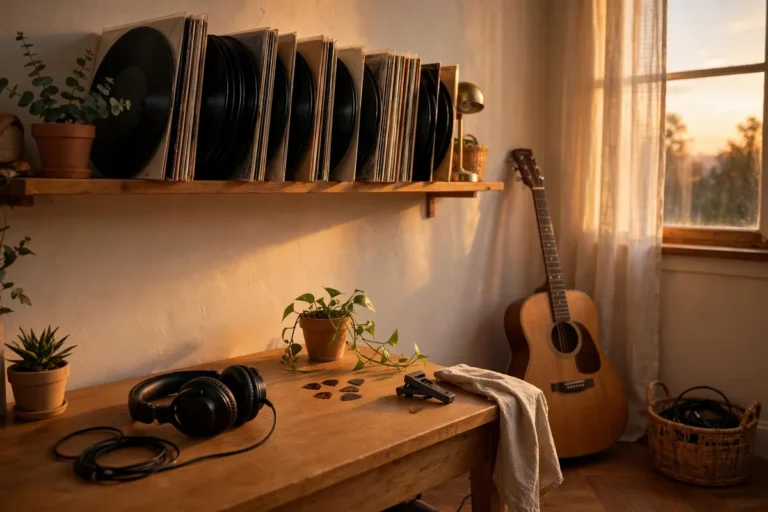
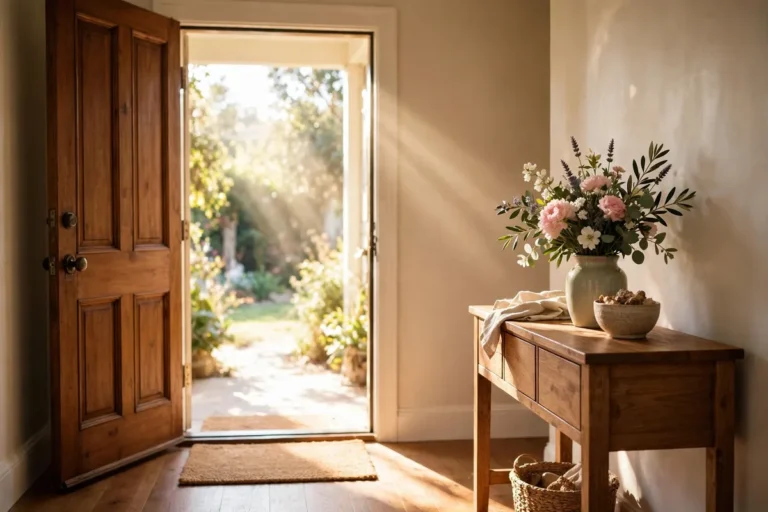
On quiet days, light often does the storytelling: morning sun across a desk, rain-grey light through a window, or evening gold on a wall. Photograph the light itself, with your work or tools resting inside it, and write a caption about the time of day rather than about achievement. This gives viewers a sensory story they can feel, even if they do not share your craft.
Example: a writer might photograph a notebook in a patch of morning light, captioned about starting late and gently. A painter might photograph brushes resting in evening light, noting the day’s painting is done. Light stories need no action, only attention, and they suit days when energy is low but observation is high.
3. Share a small ritual that starts your work

Rituals suit quiet days because they are repeatable and calming: making tea before writing, opening a window before painting, laying out tools before sewing, or playing one familiar tune before practising. Show your ritual in order, in three short frames, and explain why it helps you begin. Viewers may adopt the ritual themselves, which makes the story useful beyond inspiration.
Example: a potter might show hands washing, clay wedged, and wheel ready, noting the same three steps happen every quiet morning. A reader-turned-writer might show a mug made, a chair chosen, and a notebook opened, in that order. Rituals work best when they are personal and specific, not copied from a productivity list.
4. Ask viewers one gentle question
Quiet days still welcome conversation, but the questions should match the mood: soft, open, and easy to answer without debate. Ask what viewers are reading, what slow task they enjoy, or which calm colour suits a finished piece. A gentle question invites replies from viewers who avoid louder polls, and it keeps your story’s tone intact.
Example: a creator might photograph a finished sketch and ask which title feels calmer, offering two quiet options. A gardener-creator might show seedlings and ask what viewers grow on windowsills. Reply to answers slowly and warmly, in your next quiet story, rather than rushing to respond to everyone at once. The pace of your replies is part of the story.
5. End with a restful closing frame
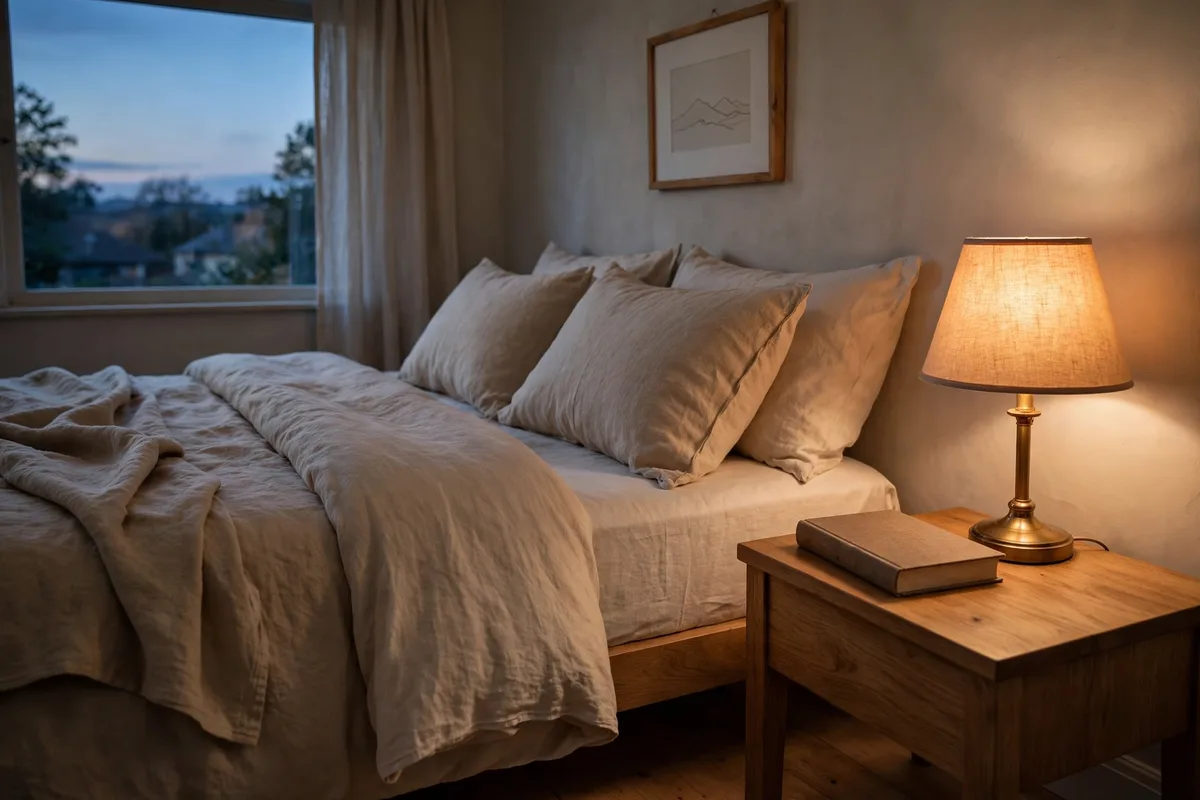
A quiet day deserves a quiet ending: a desk cleared, a book closed, a finished piece resting, or a window darkening at dusk. Post this frame without a question, a vote, or a promise about tomorrow. Simply show the day closing well, with one short line about rest. This ending respects viewers’ evenings, and it teaches that creator days end, rather than running forever.
Example: a creator might photograph a worktable with tools put away and a lamp still glowing, captioned about stopping while the work feels good. An illustrator might show a sketchbook closed on a finished page, noting tomorrow starts fresh. Do not add urgency or a countdown. The calm close is the reward for a day spent slowly.
Posting checklist
- Choose one slow task, light moment, or ritual per story.
- Use your own photos of your own work, tools, or rooms.
- Keep clips a little longer, the camera steady, and light soft.
- Write one short caption, and let the image carry the rest.
- Ask one gentle question when you want quiet replies.
- Check spelling and any names or times before you post.
- Save the restful closing frame, so quiet days end consistently.
Frequently asked questions
Do I need to post on quiet days at all?
Only if you have a genuine quiet moment to share. One calm story beats forced activity, and skipping a noisy day protects the tone viewers trust you for. Quiet days can also simply be rest, with no post needed.
How do I make slow work interesting in a story?
Let the process be visible: a hand moving, light changing, or a piece gradually forming. Viewers stay with slow clips when the frame is steady and the sound is natural, because the patience itself holds attention.
What if my quiet day feels unproductive?
Reframe it as maintenance: rest, tidying, reading, or gentle practice all support future work. A story that names rest honestly is more useful than a story pretending a slow day was busy.
Should quiet stories include music or effects?
Usually not. Natural sound, soft light, and a short caption suit quiet stories better than added effects. If you use sound, keep it low and simple, so it supports calm rather than competing with it.
Closing
Creator stories for quiet days work best when they slow down: slow work in real time, light photographed for itself, a small starting ritual, one gentle question, and a restful closing frame. Notice one quiet hour properly, and it will give you a story worth keeping.
Related posts
- Creator Stories for bold styles – ideas and examples you can post today
- Creator Stories for minimalists – ideas and examples you can post today