
Creator Stories for thank you posts – ideas and examples you can post today
Introduction
A thank-you story is one of the simplest posts a creator can make, and one of the most effective. It tells viewers that their time, replies, and support were noticed, and it does so without asking for anything in return.
This post is about creator stories for thank-you posts, for stories you create yourself, on your own public profile, about your own work. The best thank-you stories are specific. They name what happened, who helped, and what it meant, instead of offering a vague "thanks everyone" that could belong to anyone.
1. Name the specific thing you are thankful for

General thanks fade quickly, but specific thanks stay with people. Instead of thanking your audience in general, name the moment: the replies that helped you choose a topic, the viewers who joined a first live session, or the kind messages after a difficult project. Specificity shows you were paying attention, and it lets viewers recognise their own part in the story.
Example: a calligrapher might thank viewers who voted between two ink colours, showing both samples and the winning shade in use. A running coach might thank the beginners who completed a first four-week plan, with a photo from a group run. A coder teaching beginners might thank viewers who spotted an error in a tutorial, and show the corrected example. Each thank-you points at a real event, not a feeling in the abstract.
2. Show the result their support made possible
Gratitude lands more deeply when viewers can see what their support produced. Pair the thank-you with the outcome: a finished piece, a full class, a printed run, or a project completed on time. Seeing the result closes the loop between support and creation, and it gives viewers a quiet sense of shared ownership in the work.
Example: a baker thanking viewers for pre-orders might show the morning's full oven racks and the boxes ready for collection. A songwriter thanking listeners for feedback on a demo might play a short clip of the revised chorus. A gardener thanking neighbours who shared cuttings might show the new plants taking root.
3. Thank individuals and groups without singling anyone out unfairly
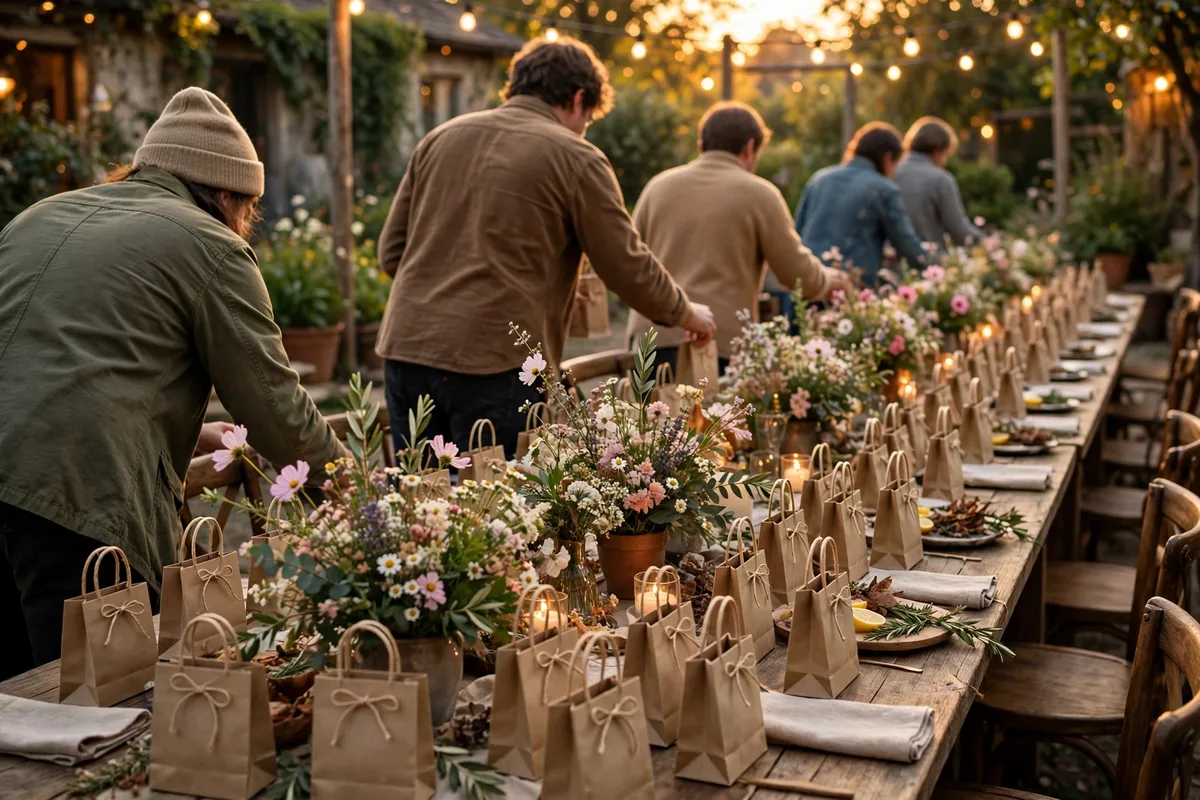
Many creators want to thank particular supporters, but naming a few people can leave others feeling overlooked, and it can put private people in an unwanted spotlight. Thank groups by role instead: early viewers, first-time commenters, regular question-senders, or the people who shared your work with a friend. If you do name someone, name only people who have publicly collaborated with you and would welcome the mention.
Example: a photographer might thank "everyone who modelled for practice portraits this month" alongside a collage of the sessions. A teacher might thank "the students who sent in homework photos" without listing names. A woodworker might thank "the market visitors who asked about joinery" with a photo of the stall. Group thanks include everyone who helped, without exposing anyone.
4. Keep the thank-you free of a sales message
A thank-you that ends with a discount code or a purchase link stops feeling like gratitude. Save selling for another post. A pure thank-you builds goodwill that later posts benefit from, because viewers remember creators who thanked them without an agenda. If you must mention something upcoming, keep it to a single gentle line about what comes next, not a call to buy.
Example: a potter might close a thank-you story with, "New bowls next week, but today is just for thanks." A dance teacher might end with, "Classes resume Monday, and I am grateful for this term." A writer might finish with, "The next chapter arrives Friday, thanks to your encouragement." Each ending looks forward warmly, without turning thanks into a transaction.
5. Make thank-you stories a habit, not a rare event

Creators often save thanks for huge milestones, but small, regular thanks build a stronger relationship. Thank viewers after a first attempt at something new, after a helpful round of questions, or at the end of a busy week.
Example: a language creator might thank viewers every Friday for the week's best questions, in one short story. A fitness creator might thank the early-morning class each month with a photo of the sunrise session. A painter might thank viewers whenever a study sells, with a photo of the packed parcel. Small thanks, given often, become part of how your audience knows you.
Posting checklist
- Name the specific moment or help you are thankful for.
- Show the real result their support made possible.
- Thank groups by role rather than exposing private individuals.
- Keep the thank-you free of sales messages and purchase asks.
- Use your own photos, clips, and words throughout.
- Make small thanks a regular habit, not a rare event.
- Check names, spellings, and facts before you post.
- End warmly, with at most one gentle line about what comes next.
Frequently asked questions
How often should I post thank-you stories?
As often as you have something genuine to thank people for. A short thank-you once a week, tied to a real moment, feels natural. Daily generic thanks quickly lose meaning, so tie each one to a specific event.
Should I name individual supporters in a thank-you?
Only public collaborators who would welcome the mention. For most supporters, thanking a group by role is safer and more inclusive. It avoids overlooking people and respects the privacy of viewers who never asked to be featured.
Can a thank-you story also announce something new?
Keep it to one gentle line at most. A thank-you weighed down with news stops feeling like thanks. If the news matters, give it its own story on another day.
What if I feel awkward posting thanks?
Keep it short and concrete. One sentence naming what happened and one photo of the result is enough. Sincerity matters more than length, and viewers respond to plain, honest gratitude.
Closing
Creator stories for thank-you posts work when they are specific, visual, and free of an agenda. Name what happened, show what it made possible, thank people by role, and make small thanks a habit.
Related posts
- Creator Stories for milestones – ideas and examples you can post today
- Creator Stories for throwbacks – ideas and examples you can post today